Understanding Aesthetic Goals in Exercise: Men vs. Women
When embarking on a fitness journey, individual goals often dictate workout routines. However, there can be noticeable differences in the aesthetic desires between men and women, particularly when it comes to muscle development.
As fitness professionals observe, while individual aspirations vary, there are common trends that influence how men and women approach exercise and their desired physical outcomes. This article explores these differences, drawing on insights from fitness professionals and the cultural influences that shape our perceptions of ideal physique.
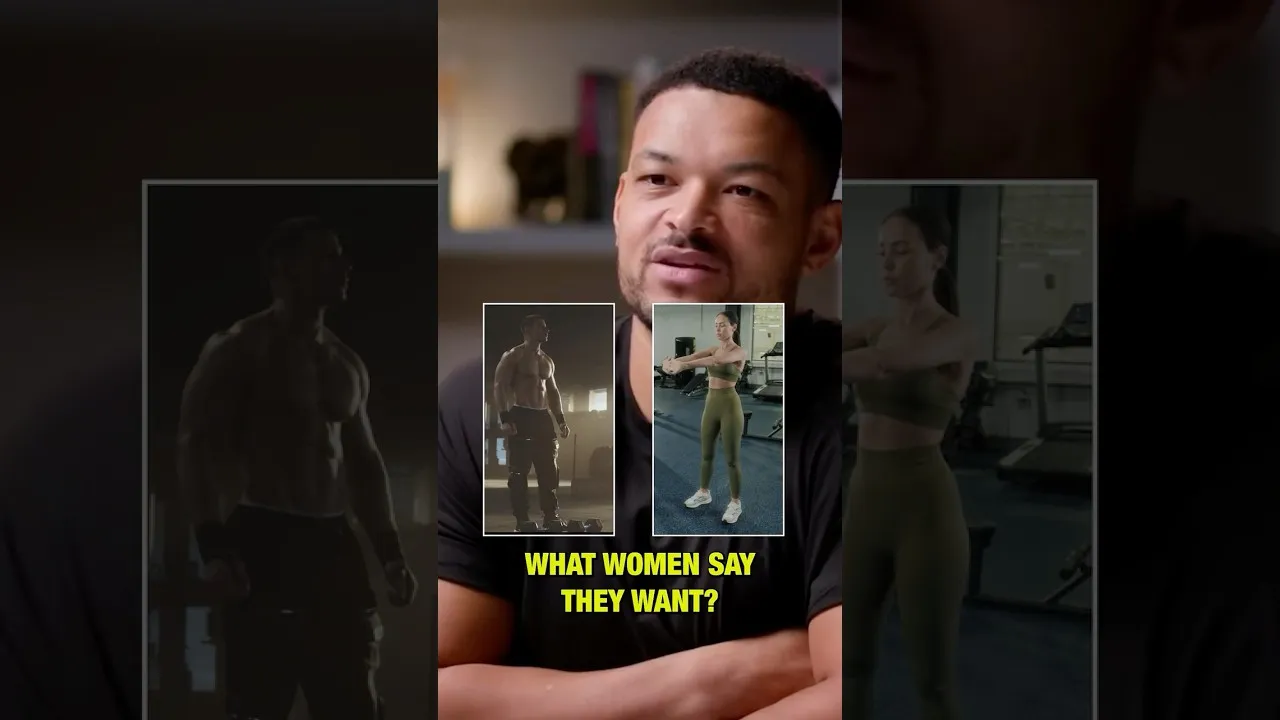
The Male Aesthetic Focus: Upper Body Dominance
For many men seeking to enhance their physique, the primary focus often lies in developing the upper body. This includes building muscle in the chest, shoulders, arms, and back. The desire for a broad, muscular upper frame is frequently cited as a key aesthetic goal.
While leg development and glute strength are important for overall athleticism and health, they may not always be the highest priority for men when it comes to appearance. This emphasis on the upper body can be attributed, in part, to cultural ideals that often associate male attractiveness and strength with a well-developed upper physique. Social media platforms and traditional media portrayals frequently reinforce these perceptions, showcasing muscular male torsos as a benchmark of fitness and desirability.
The Female Aesthetic Focus: Lower Body Emphasis
In contrast, women often report a primary focus on developing their lower bodies. This typically includes a desire for stronger, more toned legs and well-developed glutes. The pursuit of a shapely and strong lower body is a common goal for many women.
This emphasis can be linked to cultural trends that place a high value on the aesthetics of the legs and posterior. Like men, women are also influenced by societal expectations and media representations, which often highlight the importance of a toned and strong lower body for female attractiveness and fitness. The desire for functional strength in the legs and glutes also plays a role, as these muscles are crucial for everyday activities, athletic performance, and maintaining good posture.
Cultural Influences and Media Reinforcement
The differing aesthetic goals between men and women are not solely innate but are significantly shaped by cultural norms and the pervasive influence of media. From fitness magazines to social media, images and narratives often reinforce specific body ideals for each gender.
For men, the ideal often involves a V-shaped torso and muscular arms, while for women, the emphasis frequently falls on toned legs and a sculpted posterior. This constant reinforcement can lead individuals to prioritize exercises that target these specific areas, potentially at the expense of a more balanced, full-body approach to fitness.
Beyond Aesthetics: The Importance of Balanced Training
While understanding these aesthetic preferences is valuable for tailoring workout plans, it’s crucial to remember the importance of a holistic approach to fitness. Focusing exclusively on one body area, whether upper or lower, can lead to muscular imbalances, increase the risk of injury, and neglect overall functional strength and health.
A well-rounded fitness program should incorporate exercises that target all major muscle groups, promoting balanced development, improved posture, and enhanced athletic performance. This includes incorporating compound movements that work multiple muscle groups simultaneously, as well as isolation exercises to address specific goals.
Expert Perspective
Fitness professionals, such as trainers of athletes, often encounter these differing aesthetic desires. While they aim to meet client expectations, they also advocate for balanced training principles.
The goal is to help individuals achieve their desired physique safely and effectively, while also promoting long-term health and injury prevention. This often involves educating clients about the benefits of a comprehensive training program that addresses all aspects of physical fitness, not just aesthetic concerns.
Key Health Takeaways
- Understand that men and women may have different primary aesthetic goals for their physique, often focusing on upper body for men and lower body for women.
- Recognize that cultural influences and media portrayals significantly shape these aesthetic preferences.
- Prioritize a balanced, full-body workout routine that targets all major muscle groups, rather than focusing exclusively on perceived problem areas.
- Incorporate a mix of compound and isolation exercises for comprehensive muscle development and functional strength.
- Consult with a qualified fitness professional to design a personalized workout plan that aligns with your goals while promoting safety and overall health.
Disclaimer
This article is for informational purposes only and does not constitute medical advice. Always consult with your doctor or a qualified healthcare provider before beginning any new exercise program or making any changes to your diet or lifestyle.
Source: The Biggest Workout Mistake (MEN vs WOMEN) (YouTube)