Your Mindset Shapes Your Day: Harnessing Microchoices for Positivity
The quality of your day, whether it unfolds positively or negatively, may hinge on a simple yet powerful concept: the microchoice. According to insights from behavioral science and research, the story you tell yourself at the beginning of your day can profoundly influence your experiences and physiological responses. This article explores how consciously choosing a positive mindset can be a major shift, supported by the work of leading researchers.
The Power of the Initial Microchoice
Many of us fall into the trap of a negative start without realizing it. It might begin the moment we wake up and reach for our phones. Before truly engaging with the day, we might scroll through news feeds, social media, or endless short videos.
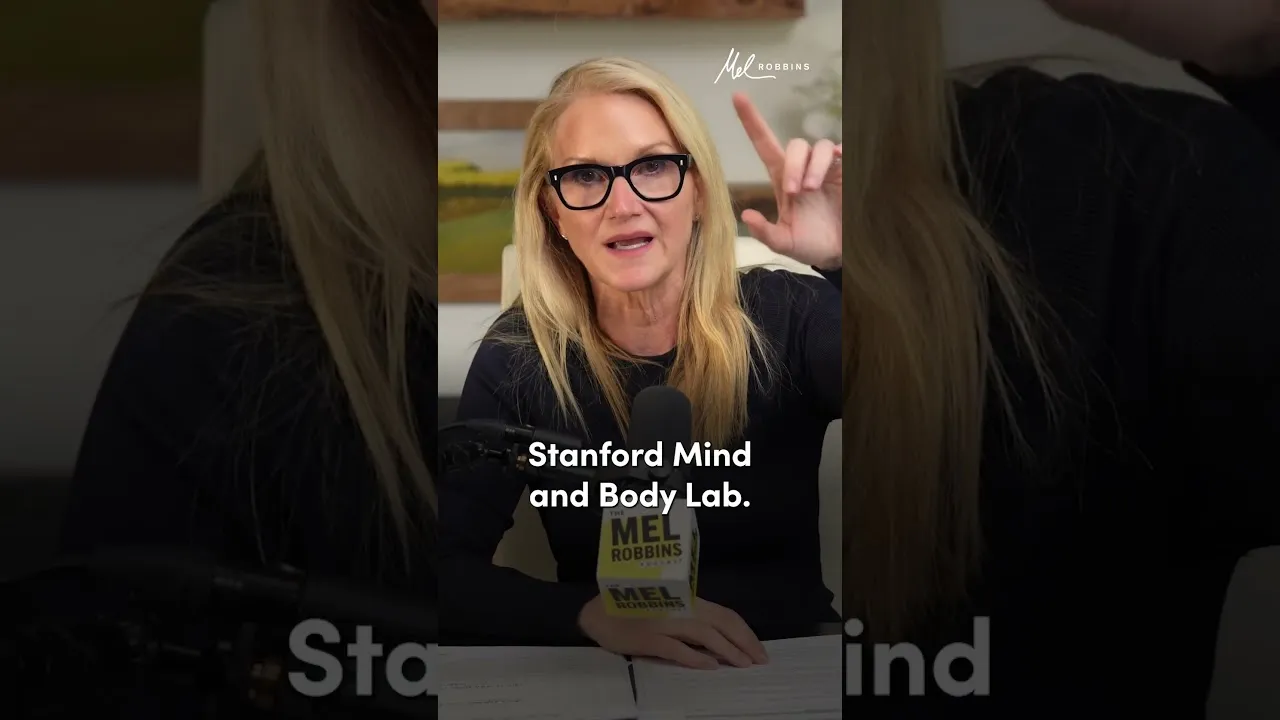
This rapid influx of information, often negative or anxiety-inducing, can quickly set a pessimistic tone. As Dr. Aaliyah Crumb, a professor at Stanford University and director of the Stanford Mind and Body Lab, explains, this initial engagement can lead to a cascade of negative thoughts: “Now every thought is bad, bad, bad, bad.” This isn’t just a feeling; it’s a powerful self-fulfilling prophecy where you convince your brain that the day is destined to be unpleasant.
Understanding Mindset as ‘Settings’
The good news is that if a negative mindset can be ‘set,’ it can also be reset. Dr. Crumb’s research highlights that our mindsets are akin to ‘settings’ in our minds. These settings don’t just influence our emotional state; they also dictate our motivation and how we engage with the world around us.
“Mindset is just settings in your mind,” the insights suggest. If you can consciously set your mind for a bad day, the inverse is also true: you can actively choose to set your mind for a good day.
The Physiological Impact of Mindset
The implications of our chosen mindset extend beyond psychological effects; they have tangible physiological consequences. Dr. Crumb’s work demonstrates that the microchoice of anticipating a good day versus a bad day fundamentally alters how our bodies prepare and respond to the day’s challenges and opportunities.
This means that the thoughts and expectations we hold at the start of our day are not merely abstract concepts. They are ‘settings’ that influence our biology, preparing us to either face the day with resilience and optimism or with dread and resistance.
How Mindset Changes Behavior and Physiology
When you subconsciously embrace the thought, “Today’s going to be a bad day,” you are making a microchoice with significant repercussions. Dr. Crumb’s research, as highlighted, has proven that this simple mental decision can alter your body’s physical preparation for the day.
Conversely, by becoming aware of this mechanism, you gain the power to make a different choice. This involves consciously deciding, “Today is going to be a good day.” This decision isn’t passive; it’s often coupled with an intention to actively create positive experiences: “because I’m going to make something good happen.” This proactive approach harnesses the mind-body connection to foster a more positive and productive day.
Who Can Benefit?
This information is relevant to virtually everyone, as we all experience days that feel challenging or less than ideal. It is particularly useful for individuals who frequently find themselves starting their day with feelings of dread, anxiety, or negativity, perhaps influenced by external stressors or habitual thought patterns.
People struggling with mood regulation, motivation, or those seeking to enhance their overall well-being might find significant value in consciously practicing positive microchoices. It’s a tool applicable across different age groups and life circumstances.
Key Health Takeaways
- Recognize the Power of Microchoices: Understand that small decisions, especially at the start of your day, can have a large impact on your overall experience.
- Mindset is Malleable: Your mindset isn’t fixed. Think of it as adjustable ‘settings’ that you can consciously change.
- Positive Expectation Fosters Positive Outcomes: Choosing to believe you will have a good day can influence your emotions, motivation, and behavior.
- Physiological Impact: Your mindset can physiologically prepare your body to respond to the day in either a positive or negative way.
- Be Proactive: Instead of passively accepting a negative start, actively choose a positive mindset and commit to making something good happen.
Expert Endorsement
The insights presented are grounded in the work of Dr. Aaliyah Crumb, a respected professor at Stanford University and the director of the Stanford Mind and Body Lab. Her research focuses on the intricate connections between the mind, body, and behavior, providing a scientific basis for understanding how our mental states influence our physical well-being and daily experiences.
Disclaimer
This article is for informational purposes only and does not constitute medical advice. The information presented is based on research and insights from experts but is not a substitute for professional medical consultation. Always consult with your doctor or a qualified healthcare provider before making any decisions related to your health or treatment.
Source: You Get to Decide What Kind of Day You Want to Have | Mel Robbins #Shorts (YouTube)