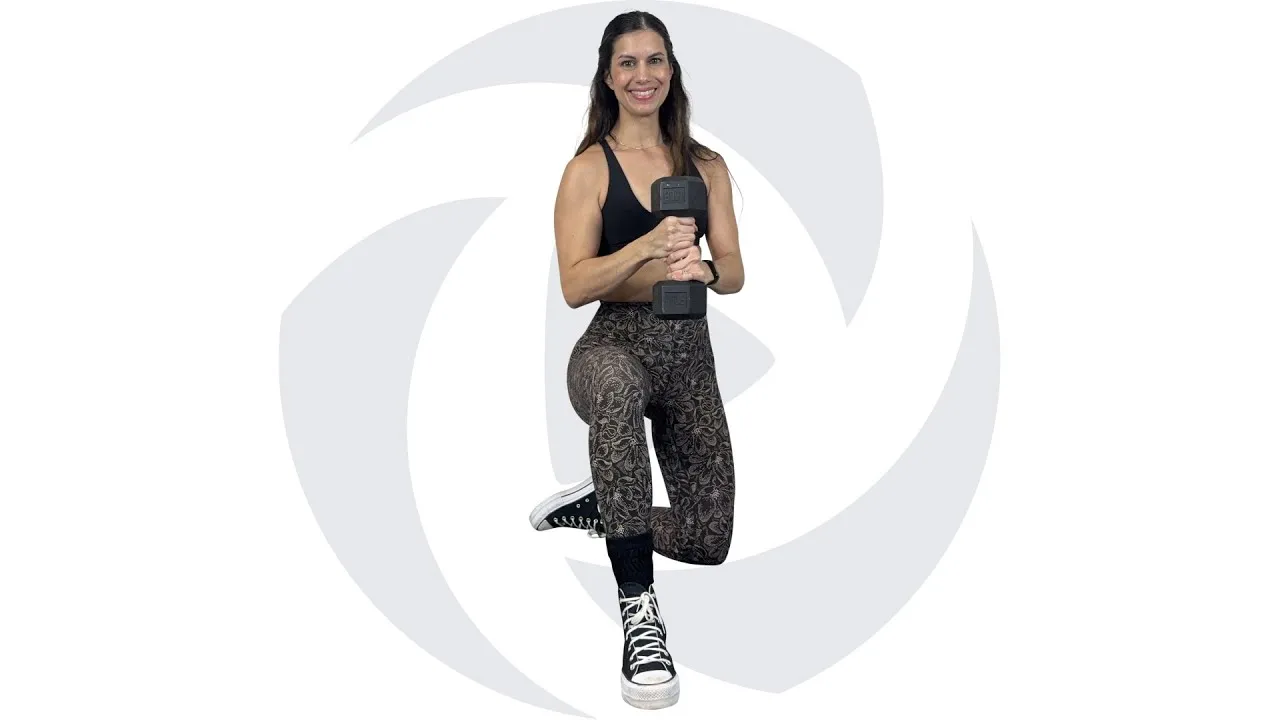
Boost Upper Body and Core Strength in Just 20 Minutes
Finding time for effective workouts can be a challenge, but a new 20-minute routine from Fitness Blender offers a powerful solution for building upper body and core strength. This efficient workout, led by fitness expert Patrice, targets major muscle groups including the chest, back, shoulders, biceps, and triceps, while integrating crucial core engagement throughout. Designed for individuals seeking a quick yet comprehensive strength-building session, this routine is ideal for those with busy schedules or anyone looking to enhance their overall physical conditioning.
Workout Structure: A Two-Block Approach
The workout is strategically divided into two blocks, each with a specific focus and recommended weight selection to maximize effectiveness.
Block 1: Chest and Back Emphasis
The first block concentrates on compound movements for the chest and back. Patrice recommends using slightly heavier weights during this phase to challenge these larger muscle groups. The exercises include:
- Dumbbell Chest Press: Performed lying on your back with dumbbells, this exercise engages the chest, shoulders, and triceps. The focus is on controlled lowering of the weights and a powerful push back up.
- Lat Pullover: Using a single dumbbell, this movement targets the latissimus dorsi (lats) in the back and also works the chest and triceps. Control is key to engaging the lats effectively and protecting the lower back.
- Weighted Dead Bug: This core-focused exercise, performed with a dumbbell, challenges abdominal stability. By extending opposite arm and leg while keeping the back flat, it builds core strength and coordination. The option to lift the head, neck, and shoulders or pull the weight behind the head adds intensity.
- Neutral Grip Chest Press: With palms facing each other, this variation of the chest press can offer a slightly different feel and potentially reduce shoulder stress for some individuals, while still effectively working the chest and triceps.
- Bent-Over Row: Using heavier weights, this exercise is fundamental for building upper back strength. Proper form involves hinging at the hips with a flat back and rowing the weights towards the torso, engaging the rhomboids and traps.
- Kneeling Row: Performed in a quadruped position (on hands and knees), this variation of the row increases the challenge on the core and back muscles by removing the stability provided by the legs.
- Standing Overhead March: Holding a single weight overhead, this exercise promotes shoulder stability and core engagement as you march in place, lifting knees to hip height.
- Standing Oblique Crunch: Holding a weight to one side, this exercise directly targets the oblique muscles (side abs) through a controlled crunching motion.
Block 2: Shoulders, Arms, and Core Intensification
The second block shifts focus to the shoulders, biceps, and triceps, recommending lighter to moderate weights. This section also incorporates more direct core work.
- Z Press: Performed seated with legs extended, this shoulder-focused exercise requires significant core stability as you press weights from shoulder height overhead. The lack of lower body support intensifies the challenge.
- Weighted Crunch: Lying on your back with a dumbbell held towards the ceiling, this exercise enhances the traditional crunch by adding resistance, focusing on the upper abdominals. A full sit-up variation is also offered.
- Triceps Extension: Whether using one or two dumbbells, this exercise isolates the triceps by extending the weight overhead and lowering it behind the head with controlled movements.
- Weighted Leg Lift: Lying on your back with a dumbbell held above the chest, this exercise challenges the lower abdominals and hip flexors as you lift and lower your legs, ensuring the lower back remains pressed against the mat.
- Kneeling Lateral Raise: In a kneeling position, this exercise targets the deltoids (shoulder muscles) by raising weights to shoulder height with a slight bend in the elbows. The kneeling posture minimizes momentum.
- Kneeling Wood Chop: This rotational exercise engages the obliques, shoulders, and core. Performed kneeling, it involves bringing a weight from a low position on one side of the body up and over to the opposite shoulder, mimicking a wood chopping motion.
- Kneeling Bicep Curl: Focusing on the biceps, this exercise is performed kneeling to isolate the arm muscles. Keeping elbows tucked in, the focus is on a controlled curl and squeeze at the top.
Finishing Strong: Core and Cool-Down
The workout concludes with a final core blast and a series of restorative stretches.
- Bicycle Crunches: This classic core exercise involves bringing opposite elbows to opposite knees in a cycling motion, targeting the entire abdominal region, including the obliques.
- Cool-down Stretches: The routine finishes with stretches for the chest, shoulders, and spine, including a chest opener, cross-body shoulder stretch, and spinal twists, promoting flexibility and aiding recovery.
Who Can Benefit?
This 20-minute workout is suitable for individuals of various fitness levels, from beginners to intermediate exercisers. It’s particularly beneficial for those:
- With limited time who need an efficient workout.
- Looking to build or maintain upper body and core strength.
- Seeking to improve muscular endurance and definition.
- Who want to incorporate more core work into their routine.
- Who may be traveling and need a bodyweight or minimal equipment option.
Modifications are encouraged, and individuals should select weights that allow them to maintain good form throughout the exercises. Listening to one’s body is paramount, as emphasized by Patrice.
Expert Guidance and Safety
Patrice, a fitness instructor from Fitness Blender, guides viewers through the workout, providing clear instructions and form cues. The emphasis is on controlled movements and proper technique to prevent injuries and maximize results. As with any new exercise program, it is recommended to consult with a healthcare provider before beginning, especially if you have any pre-existing health conditions.
Key Health Takeaways
- A 20-minute workout can be highly effective for building upper body and core strength.
- Strategic use of heavier weights for compound lifts (chest, back) and lighter weights for isolation exercises (shoulders, arms) optimizes muscle engagement.
- Integrating core exercises throughout the routine enhances stability and overall conditioning.
- Proper form and controlled movements are crucial for maximizing benefits and preventing injury.
- This routine is adaptable for various fitness levels, with modifications and listening to your body being key.
Disclaimer: This article is for informational purposes only and does not constitute medical advice. Always consult with a qualified healthcare professional before making any decisions related to your health or treatment.
Source: Upper Body Strength with Core: Build chest, back, shoulder and core strength (YouTube)