Embrace Skepticism: Unlock Clearer Thinking for Better Health
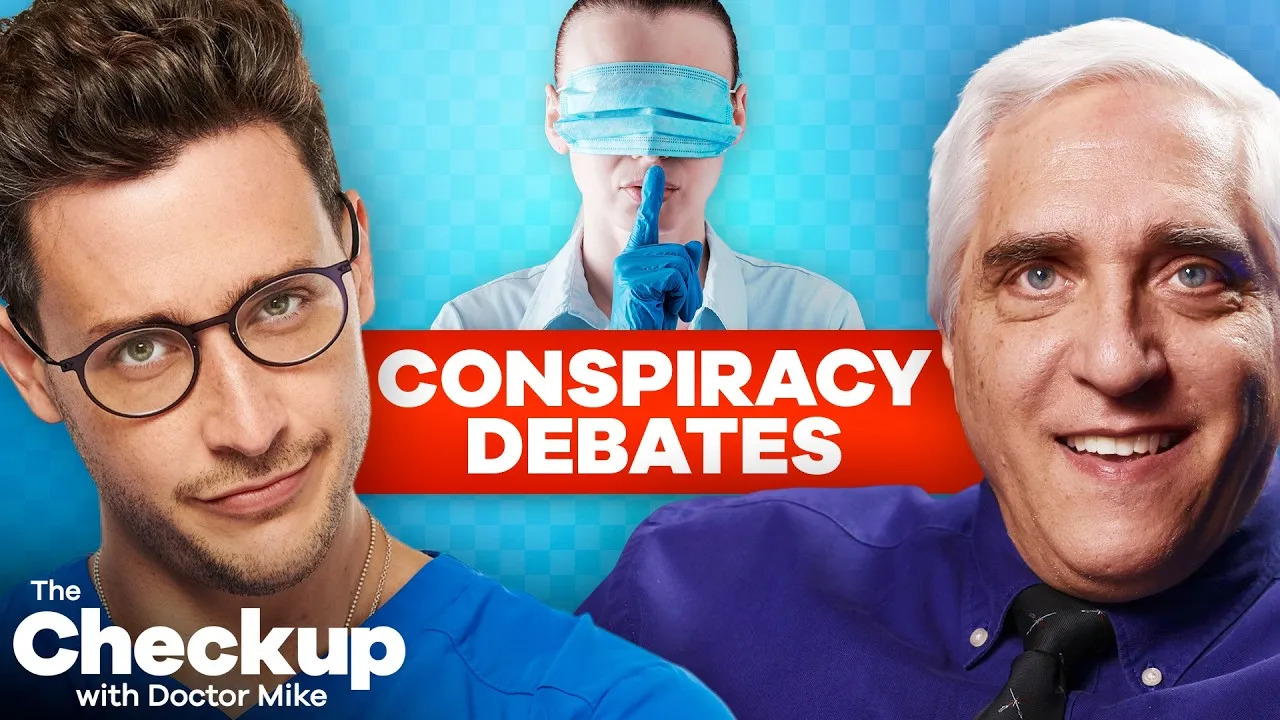
In an era saturated with information and misinformation, developing a healthy dose of skepticism is not just a mental exercise but a crucial tool for navigating health decisions and understanding the world around us. Dr. Steven Novella, a retired clinical neurologist and a leading voice in skepticism, emphasizes that skepticism is not about cynicism or denial, but rather a disciplined approach to evaluating evidence and forming beliefs. It’s a learned skill, akin to critical thinking, that empowers individuals to question information, analyze evidence, and make informed choices.
What is True Skepticism?
Dr. Novella, the force behind “The Skeptics’ Guide to the Universe,” clarifies that skepticism is fundamentally about metacognition – thinking about your thinking process. It involves “kicking the tires” and looking “under the hood” of claims before accepting them.
True skeptics don’t just accept information at face value; they apportion their belief based on logic and evidence. This approach is the opposite of gullibility and is a lifelong journey of refining one’s understanding.
While born curious, humans are not born inherently skeptical. Analytical thinking and the ability to critically evaluate information are learned skills that require continuous practice.
Dr. Novella likens it to exercising a muscle; the more it’s used, the stronger it becomes. There is no endpoint where one becomes perfectly skeptical, but rather an ongoing process of improvement.
The Power and Exhaustion of Skepticism
The constant barrage of information can make critical thinking feel exhausting. However, Dr. Novella highlights that skepticism is ultimately empowering.
It frees individuals from the obligation to blindly adhere to tribal beliefs or ideologies, allowing them to form their own conclusions based on evidence. This liberation, he argues, often outweighs the mental fatigue associated with critical evaluation.
Recognizing that one cannot deeply investigate every piece of information is key to managing this challenge. Dr. Novella suggests relying on trusted resources and experts who have already done the heavy lifting.
This division of labor allows individuals to focus their critical energies on areas most important to them, while leveraging the work of others they deem reliable. This principle extends even to physicians, who cannot possibly review every medical study ever published and must rely on professional organizations and peer-reviewed literature.
Navigating the Medical Landscape: Trust and Verification
In the medical field, a hierarchical system of expertise is essential. General practitioners rely on specialists, who in turn may consult sub-specialists, to provide the most accurate and up-to-date care. This “trust but verify” approach is crucial, especially when dealing with complex medical issues.
Dr. Novella acknowledges that some may view this reliance on expert consensus with suspicion, particularly those wary of the medical establishment. However, he explains that this system is designed to function efficiently.
Specialization allows doctors to gain deep knowledge in narrow fields, and their findings are then disseminated through peer-reviewed journals and professional organizations. This collective knowledge base forms the foundation of evidence-based medicine.
The communication between medical professionals, particularly between specialists and referring physicians, is vital for continuity of care. While electronic health record systems have improved communication within healthcare systems, gaps can still exist, leading to a loss of information about patient care. This breakdown can hinder a primary care physician’s ability to “quarterback” a patient’s overall health strategy.
Humility: The Cornerstone of Skepticism
Dr. Novella identifies intellectual humility as the most critical component of skepticism. True skeptics understand the limits of their own knowledge and are constantly questioning their beliefs. This humility is what distinguishes genuine inquiry from arrogance.
He contrasts this with individuals who promote misinformation, often characterized by a profound lack of humility. These individuals tend to substitute their own opinions for expert consensus, often leading them down conspiratorial paths.
For example, Robert F. Kennedy Jr., whom Dr. Novella cites as a prominent example, has a history of rejecting scientific consensus, often attributing his differing views to a belief that he knows better than dedicated experts.
This arrogance can be seductive to the public, as neuroscience suggests that people are wired to surrender critical thinking to charismatic leaders within their own perceived “tribe.” Functional MRI studies show that when listening to speakers aligned with their beliefs, the brain’s reality-testing circuits are less active. This emotional and neurological predisposition can make it challenging to resist confident, yet unfounded, claims.
Understanding Risk vs. Hazard
A common point of confusion, particularly in public health discussions, is the distinction between risk and hazard. Dr. Novella uses the analogy of a shark: a shark is inherently hazardous, but the risk of being attacked is low if you are not in its environment (e.g., separated by glass in an aquarium). Conversely, being in the water with a shark presents a high risk.
Similarly, a substance might be hazardous, but the actual risk to the public can be negligible if the exposure levels are extremely low. Regulatory agencies in the U.S. Primarily focus on risk, while some European bodies and California tend to regulate based on hazard. This distinction is crucial for understanding public health policy and avoiding alarm fatigue, where constant warnings about hazards lead to a diminished response to genuine risks.
The Evolution of Misinformation: A Case Study
Dr. Novella touches upon the evolution of certain misinformation narratives, using the anti-vaccine movement as an example. He notes how arguments, such as those concerning thimerosal (a mercury-containing preservative once used in some vaccines), have shifted.
Initially, concerns focused on mercury toxicity from vaccines, with predictions that autism rates would plummet after thimerosal was removed from the routine vaccine schedule in the early 2000s. When autism rates did not decrease, the narrative shifted, demonstrating a lack of adherence to evidence.
The decision by regulatory agencies to remove thimerosal, though not strictly necessary from a scientific standpoint, was made “out of an abundance of caution” and to maintain public trust in vaccination programs. Vaccines, Dr. Novella emphasizes, are not just products but programs that rely on public buy-in to be effective.
Conclusion: Cultivating a Skeptical Mindset
Cultivating a skeptical mindset is an ongoing process that requires intellectual humility, a commitment to evidence, and a willingness to question one’s own beliefs. By embracing skepticism, individuals can better discern credible information from misinformation, make more informed health decisions, and contribute to a more rational and evidence-based society.
This article is based on insights from Dr. Steven Novella, a retired clinical neurologist and host of “The Skeptics’ Guide to the Universe.” It is intended for informational purposes only and does not constitute medical advice. Always consult with a qualified healthcare professional for any health concerns or before making any decisions related to your health or treatment.
Source: Antivaxxers, Acupuncture, And Alternative Cancer Cures | Dr. Steven Novella (YouTube)