Boost Your Mental Strength: Understanding Narcissism
In today’s hyper-connected world, the concept of ‘boundaries’ has become a common topic of discussion. However, a closer look reveals a concerning trend: boundaries are increasingly being weaponized as tools of control rather than as healthy self-preservation mechanisms. This shift, exacerbated by the pervasive influence of the internet and social media, appears to be fostering a more narcissistic society, where personal responsibility is often abdicated in favor of blaming external factors for our emotional distress.
The Shifting Landscape of Boundaries
The traditional understanding of boundaries involves establishing personal limits to protect one’s well-being. These are typically about self-care and clear communication. For instance, a healthy boundary might be limiting work emails after a certain hour to ensure adequate rest.
However, the transcript highlights a distortion of this concept, where boundaries are being redefined as demands placed upon others. Examples include:
- ‘My boundary is that you don’t text anyone after 8:00 p.m.’ – This dictates another person’s behavior, infringing on their autonomy.
- ‘My boundary is that every time I call you, you need to answer the phone.’ – This imposes an immediate obligation on the other person, regardless of their circumstances.
When boundaries are used in this manner, they cease to be about protecting oneself and instead become a means to control or manipulate others’ actions and responses, potentially leading to resentment and strained relationships.
The Internet’s Role in Fostering Narcissism
The digital age, with its constant stream of curated self-presentation and instant validation, may be contributing to a rise in narcissistic traits. The transcript suggests that the internet encourages a mindset where personal feelings of hurt or distress are automatically attributed to the wrongdoing of others. This externalization of blame diminishes personal accountability and can create a cycle of victimhood.
Victimhood and the Rise of ‘Chameleons’
A significant consequence of this shift is the tendency towards a ‘victimhood’ mentality. The transcript notes that while it’s crucial to believe and support genuine victims, a concerning pattern has emerged.
Individuals who are more self-serving, described as ‘chameleons,’ observe this societal trend and identify claiming victimhood as an advantageous strategy. This allows them to gain attention, sympathy, or even advance their own agendas by portraying themselves as wronged, regardless of the actual circumstances.
This phenomenon is complex. On one hand, there’s a growing awareness and societal effort to validate the experiences of those who have been genuinely harmed.
On the other hand, this awareness can be co-opted by those seeking personal gain, leading to a devaluation of authentic victim experiences. The transcript implies that this strategic adoption of victimhood is a way for some to ‘get ahead’ in society.
Reclaiming Personal Responsibility
The core message emerging from this analysis is the importance of reclaiming personal responsibility for one’s emotional state. While external factors and the actions of others can undoubtedly impact us, a healthy psychological stance involves recognizing that our reactions and feelings are ultimately our own to manage. This doesn’t negate the need to address harmful behaviors from others, but it shifts the focus from external blame to internal resilience and coping mechanisms.
Cultivating self-awareness is key. Understanding why we feel a certain way and whether our reactions are proportionate to the situation can help us avoid falling into the trap of constant external blame. This involves:
- Self-Reflection: Regularly examining your thoughts and feelings.
- Emotional Regulation: Developing strategies to manage difficult emotions constructively.
- Assertive Communication: Expressing needs and boundaries clearly and respectfully, without demanding specific actions from others.
Who Should Pay Attention?
This discussion is relevant to a broad audience. Anyone navigating interpersonal relationships, particularly in the digital age, can benefit from understanding these dynamics. It’s especially pertinent for individuals who:
- Feel their relationships are often strained or marked by conflict.
- Are concerned about the impact of social media on their self-perception and interactions.
- Struggle with setting and maintaining healthy boundaries.
- Notice a tendency to blame others for their unhappiness or difficulties.
Expert Insights
The insights presented are drawn from discussions on platforms like the Huberman Lab podcast, which often features neuroscientists and psychologists. While the transcript doesn’t cite specific studies, it reflects common observations and concerns within psychology regarding societal trends and the impact of technology on mental health and interpersonal dynamics.
Key Health Takeaways
- Reframe Boundaries: Use boundaries for self-protection, not for controlling others. Focus on what *you* will do, not what others must do.
- Own Your Emotions: Recognize that while others’ actions can affect you, your emotional response is ultimately your responsibility to manage.
- Beware of Victimhood Mentality: Be mindful of tendencies to externalize blame. While validating genuine victims is crucial, avoid adopting a victim stance for personal gain or as a default response.
- Cultivate Self-Awareness: Regularly reflect on your thoughts, feelings, and reactions to understand their origins and manage them constructively.
- Practice Assertive Communication: Learn to express your needs and limits clearly and respectfully, fostering healthier relationships.
Disclaimer
This article is for informational purposes only and does not constitute medical advice. It is essential to consult with a qualified healthcare professional or mental health expert for any health concerns or before making any decisions related to your health or treatment. The information provided here is based on general observations and discussions within the field of psychology and may not be applicable to every individual’s situation.
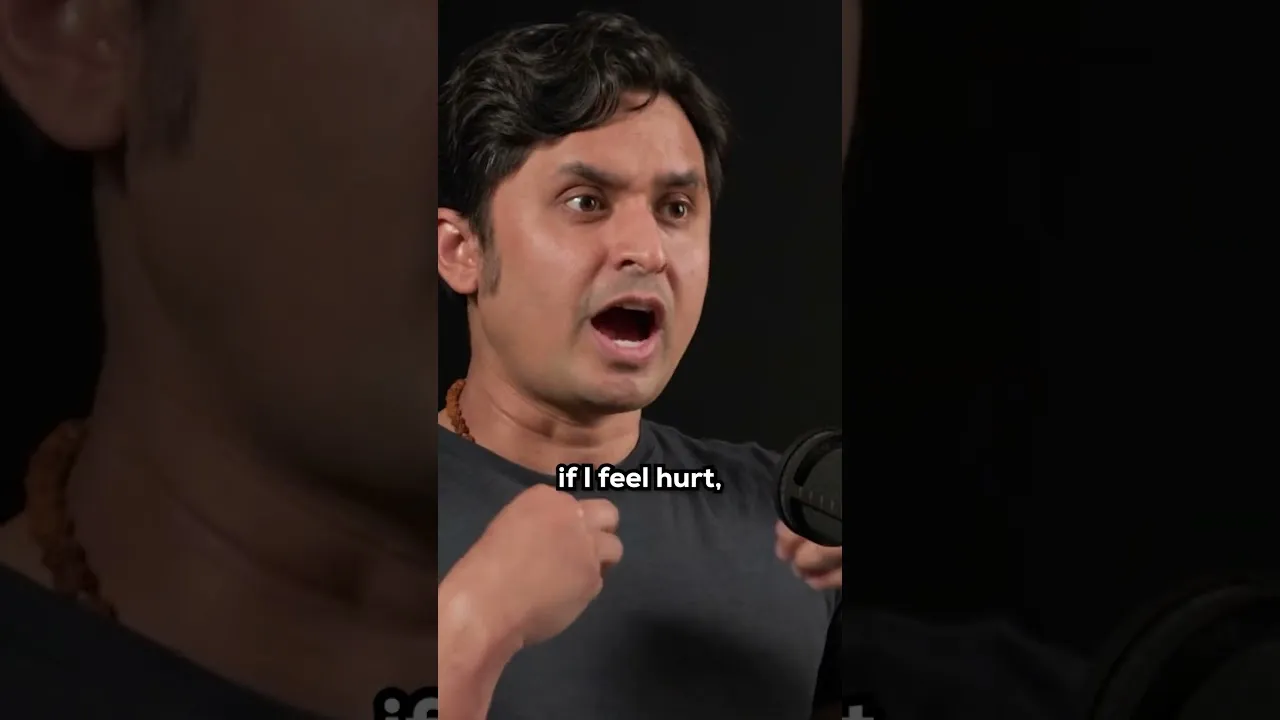
Source: Society Is Getting More Narcissistic @hubermanlab (YouTube)