Geopolitical Tensions Trigger Economic Ripples Across Markets
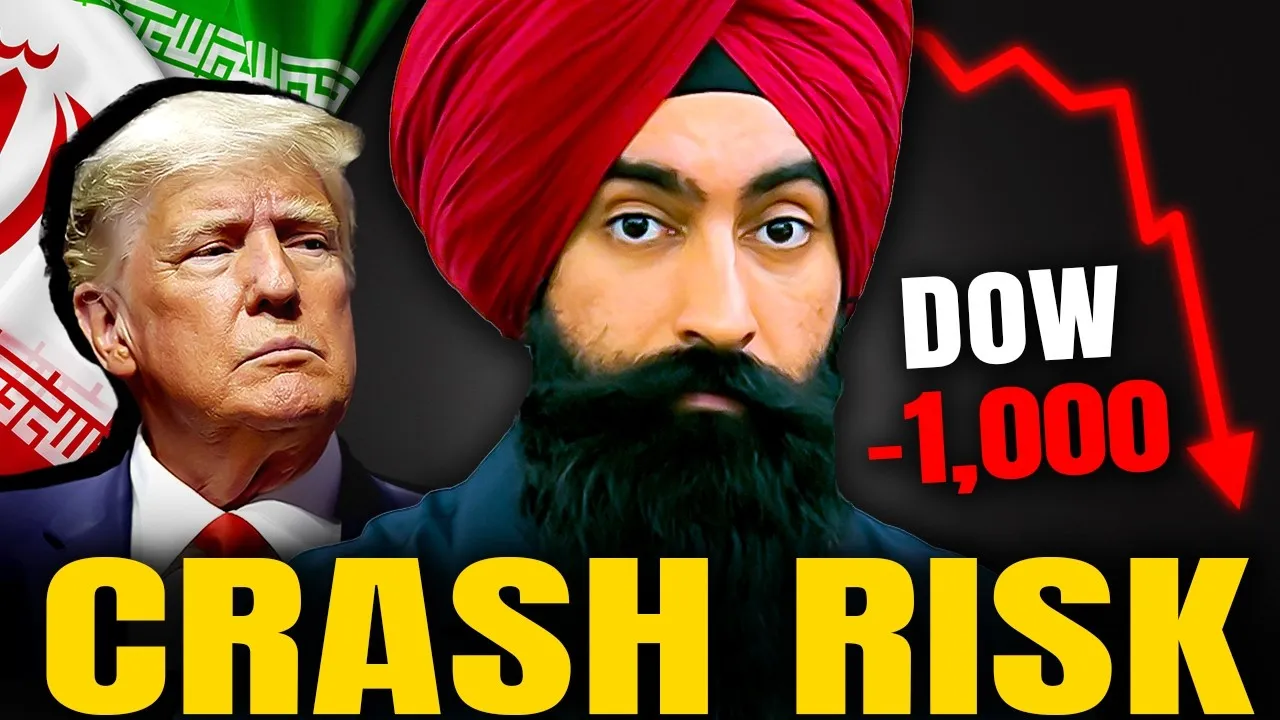
A significant military operation launched by the United States in the Middle East has sent immediate shockwaves through global financial markets, causing a surge in oil prices, a rebound in mortgage rates, and heightened stock market volatility. The conflict, which began with an attack on Iran, is projected by President Trump to last between four to five weeks, with the potential for a longer duration.
Oil Prices Surge as Strait of Hormuz Disruption Looms
The immediate and most pronounced economic impact has been on oil prices. Iran’s control over the Strait of Hormuz, a critical chokepoint for global oil transport, is a key factor. Approximately 20% of the world’s oil supply flows through this waterway.
Reports indicate the Strait has been closed following the attacks, significantly increasing the cost and complexity of oil transportation. Consequently, oil prices have experienced one of the fastest upward movements seen in years.
While consumers may not directly invest in oil, the price of crude is intrinsically linked to everyday costs. Historical parallels, such as the 2022 surge in oil prices following Russia’s invasion of Ukraine, illustrate this connection. During that period, oil prices climbed from around $80 to $130 a barrel.
Concurrently, grocery prices in the United States rose by approximately 11%. This correlation is driven by the extensive use of oil and gas in the logistics of food production and distribution, from farm to table.
As of the latest reports, oil prices have seen an approximate 10% increase. While this is far from the levels seen in 2022, the trajectory remains uncertain and heavily dependent on the evolving situation in the Middle East.
The Trump administration has expressed intentions to lower domestic oil prices, but the broad geopolitical dynamics will likely dictate future price movements. Should the conflict escalate or persist, further increases in oil prices are anticipated.
Stock Market Sees Heightened Volatility Amidst Uncertainty
The stock market has responded with significant volatility, characterized by sharp declines followed by rebounds and further drops. This pattern reflects investor uncertainty regarding the potential economic fallout and the broader geopolitical landscape. The CBOE Volatility Index (VIX), often referred to as the ‘fear index,’ has shown an uptick, signaling increased investor apprehension.
Investors typically seek predictable economic growth, and the current uncertainty surrounding the conflict and its potential to trigger a recession creates a challenging environment. The impact on different sectors varies.
Airlines have faced cancellations and financial strain due to airport closures. Conversely, defense contractors, gold, short-term Treasuries, and energy companies have seen benefits, as investors flock to perceived safe-haven assets and sectors poised to gain from increased defense spending and energy demand.
Despite initial market downturns, a ‘buy the dip’ sentiment has emerged among some investors. Following the initial sell-off on Monday after the attack, major tech stocks like Nvidia and Microsoft experienced buying interest, with investors betting on a short-term correction rather than a prolonged slump.
Federal Reserve’s Interest Rate Path Now Uncertain
The geopolitical events have also cast doubt on the Federal Reserve’s monetary policy trajectory. Prior to the recent conflict, Wall Street had anticipated multiple interest rate cuts by the Fed in 2026. However, market expectations have shifted dramatically, with current pricing suggesting zero rate cuts for the remainder of the year.
The Fed typically lowers interest rates when inflation is not a significant concern. However, rising oil prices and potential supply chain disruptions stemming from the conflict can fuel inflation, complicating the Fed’s decision-making.
While President Trump plans to appoint a new Federal Reserve chairman in May who has signaled a leaning towards interest rate cuts, this stance was formed before the recent escalation. The current inflationary pressures may force the Fed to maintain higher interest rates for longer, impacting borrowing costs across the economy.
Mortgage and Loan Rates Rebound
The shift in interest rate expectations directly affects consumer borrowing costs. Just prior to the attack, mortgage rates had seen a welcome decline, falling below 6% for a 30-year mortgage.
However, these rates have now begun to climb again. This rise is not solely attributable to potential Federal Reserve actions but also to changes in the bond market.
Banks determine lending rates based on their alternative investment options. Lending to the U.S. government, considered a risk-free investment due to its taxing and monetary powers, typically offers lower yields than lending to consumers, who represent a higher credit risk.
Following the attack, the 10-year Treasury yield surged, indicating that the government must offer higher interest rates to borrow money. This increase in government borrowing costs necessitates that banks charge consumers higher rates on mortgages, car loans, and credit cards to maintain their profit margins and remain competitive with government debt.
Historical Economic Impact of Wars on Job Market
Examining historical precedents, wars have had a varied impact on the job market. During World War I and World War II, increased industrial production for the war effort led to job creation and economic expansion, helping to lift the U.S. Out of the Great Depression. Similarly, the Korean and Vietnam Wars saw increased demand for defense products, boosting employment.
However, the economic landscape has evolved. The post-9/11 wars in Iraq and Afghanistan, lasting over a decade, had a minimal impact on U.S. Unemployment rates.
This was attributed to a less industrialized economy and the absence of a significant structural shift towards defense manufacturing. Today’s economy, less reliant on heavy manufacturing, may not experience the same job-creation effects from defense spending as in previous eras.
Higher oil prices, a direct consequence of the current conflict, pose a risk to jobs, particularly in transportation and retail, by increasing operational costs for businesses. Conversely, sectors like defense, cybersecurity, and other military-related industries are likely to benefit from increased government spending. The Trump administration’s stated desire to increase defense spending could further strengthen these sectors.
Investor Strategy in Volatile Times
For investors, the key takeaway is to remain calm and focus on long-term wealth-building strategies. Market volatility is an inherent feature of investing, exacerbated by geopolitical events, policy changes, and Federal Reserve actions. Rather than reacting with panic to short-term price movements, investors should identify potential structural shifts in the economy.
Periods of market downturn, while unsettling, can present opportunities. Investors who maintain a long-term perspective and focus on fundamentally sound companies may find opportunities to acquire quality assets at discounted prices.
The ability to withstand volatility and capitalize on downturns is crucial for growing wealth over time. Understanding how to navigate these economic changes and identify investment opportunities is paramount for achieving retirement goals and building financial security.
“The longer it lasts, the bigger the financial impacts.”
The current geopolitical situation highlights the interconnectedness of global events and financial markets. As the conflict unfolds, investors are advised to stay informed, maintain a diversified portfolio, and focus on their long-term financial objectives.
(Note: The original transcript included promotional material for a live investor workshop on March 18th, 2026, and a free digital book titled “How Money Changed Forever.” This information has been omitted in the professional article format to focus solely on market analysis.)
Source: Trump Just Flipped The Stock Market (YouTube)