Weddings: A Celebration of Love, or Just a Free Meal?
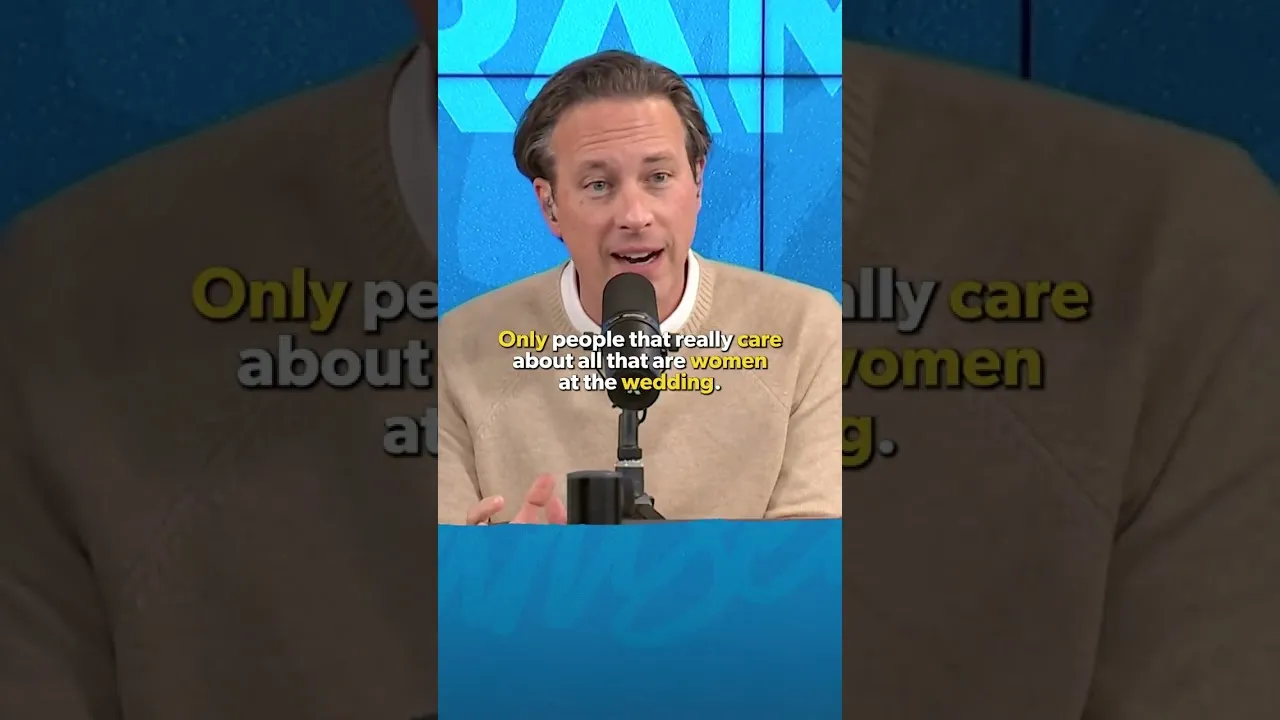
In a surprising, yet perhaps unsurprising, take on modern social gatherings, a recent discussion highlights a stark reality: a significant portion of wedding attendees, particularly men, may not be as invested in the nuptial ceremony as one might assume. According to the analysis, as many as 50% of guests, predominantly male, attend weddings out of obligation rather than genuine interest in the event’s intricacies.
The Male Perspective: Beyond the Bouquet Toss
The prevailing sentiment suggests that many men attend weddings primarily because their partners wish them to. Their engagement with the event’s finer details, such as the ceremony, decor, or even the symbolic gestures, is minimal. The focus, for many, shifts to more tangible aspects, with food and drink emerging as key motivators.
While elaborate catering might be a draw for some, the discussion points to a more basic expectation: sustenance. Pizza rolls and beer are cited as perfectly acceptable, if not preferable, options, indicating a low bar for culinary satisfaction at these events.
“Any dude that’s going to that wedding is going because his wife wants him to be there. And we don’t care if there’s… They probably like the pizza rolls.”
What Really Holds Attention?
While the ceremony and the couple’s special day are the ostensible reasons for the gathering, the analysis suggests that guests’ anticipation often centers on the reception’s amenities. The cake, often seen as a celebratory centerpiece, is mentioned as a potential highlight that can keep attendees engaged. However, even this is met with a degree of pragmatism, with some arguing that the desire for cake can be satisfied independently of a wedding.
The underlying theme is that for a considerable segment of the male attendees, the most anticipated moment might not be the vows or the first dance, but rather the conclusion of the event and the journey home. This perspective challenges the traditional notion of weddings as universally cherished experiences, suggesting a more transactional or obligation-driven attendance for a notable demographic.
Market Impact and Investor Considerations
While this discussion is anecdotal and focuses on social dynamics rather than direct financial markets, it offers a unique lens through which to view consumer spending and event-related industries. The wedding industry, valued in the billions, is built on the premise of creating memorable experiences. However, understanding the varying levels of guest engagement could subtly influence strategies for event planners, caterers, and vendors.
What Investors Should Know:
- Consumer Behavior Insights: The transcript highlights a segment of consumers (men in this context) who prioritize basic needs (food, drink) and convenience over elaborate event details. This could inform market research for companies operating in the events sector, suggesting a potential demand for simpler, more cost-effective catering options or a focus on ensuring satisfaction through core offerings.
- Discretionary Spending Patterns: Weddings represent a significant area of discretionary spending. While couples invest heavily, the perceived value for a portion of attendees might be lower than anticipated. This doesn’t diminish the overall market size but could suggest segmentation opportunities within the industry. Businesses that cater to the ‘obligated attendee’ with efficient, satisfying, and perhaps less expensive options might find a niche.
- Event Industry Nuances: For investors in companies related to wedding services (venues, catering, entertainment), understanding these attendee motivations could be crucial. While the primary clients (the couple) seek a premium experience, the satisfaction of a broader guest base, even if driven by simpler desires, contributes to the overall success and reputation of an event. Companies that can balance premium offerings for the couple with cost-effective, satisfying options for a wider audience might hold a competitive edge.
Long-Term Implications
The long-term implications of such attitudes, if widespread, could lead to shifts in wedding trends. There might be a growing acceptance of more casual, food-focused celebrations, or even a greater emphasis on experiences that appeal broadly rather than solely on traditional ceremonial elements.
For the financial sector, this translates to an ongoing need to monitor consumer spending trends in the events and hospitality industries. Companies that adapt to evolving guest expectations, whether driven by romance or by the promise of good food and a swift departure, are likely to be better positioned for sustained success.
Source: Dudes Don't Even Care About Weddings (YouTube)