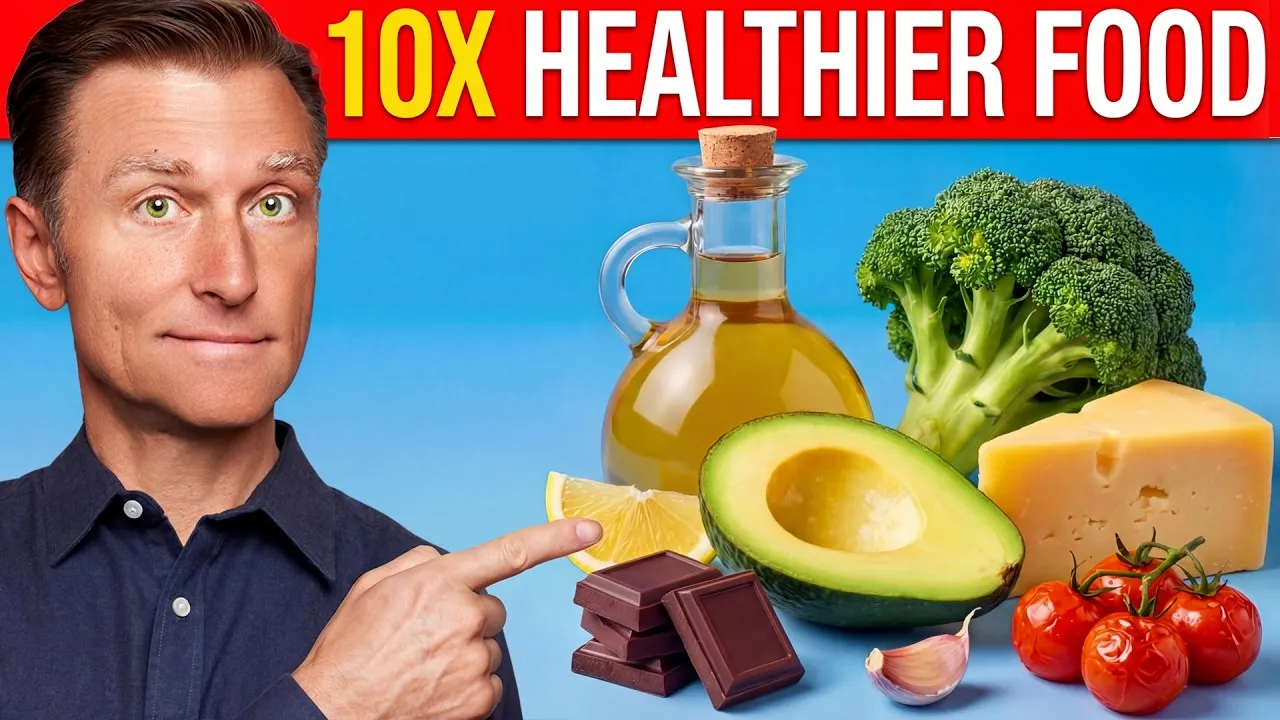
Unlock a Healthier You: Enhance Your Meals with These Nutrient-Boosting Strategies
Making your food more nutritious doesn’t require a complete overhaul of your diet. Small, strategic additions and preparation methods can significantly increase the nutrient density of your meals, providing a substantial boost to your overall health. From enhancing nutrient absorption to introducing powerful phytonutrients, these 27 tips offer practical ways to get more from every bite.
Maximizing Nutrient Absorption and Bioavailability
Many foods contain beneficial compounds that our bodies can’t easily access. Certain pairings and preparation techniques can dramatically improve how well we absorb these vital nutrients.
Embrace Healthy Fats for Fat-Soluble Vitamins
Extra Virgin Olive Oil: Pairing extra virgin olive oil with salads is a simple yet effective way to enhance the absorption of fat-soluble vitamins like A, D, E, and K1/K2. Ensure you’re using authentic extra virgin olive oil, as some products may be diluted with less beneficial oils. A slight peppery sensation in the back of the throat can be an indicator of quality.
The Power Duo: Turmeric and Black Pepper
Turmeric is renowned for its active compound, curcumin, which possesses potent anti-inflammatory properties. However, its absorption is notoriously low. Adding black pepper to dishes containing turmeric can boost curcumin absorption by an astounding 2,000%, unlocking its full potential.
Nitric Oxide for Blood Pressure and Blood Flow
Nitric oxide plays a crucial role in maintaining healthy blood pressure and improving blood flow, including to the brain. While beets are a good source of nitrates that convert to nitric oxide, arugula contains three times the amount. Consuming arugula, perhaps in a salad with extra virgin olive oil, can be a more potent way to increase nitric oxide levels.
The Unique Benefits of Cabbage and Sauerkraut
Cabbage contains a unique compound called vitamin U, which may aid in healing stomach and intestinal ulcers. It also provides sulforaphane, a phytonutrient known for its detoxification benefits, particularly for the liver. Fermented cabbage, or sauerkraut, offers additional advantages, including the production of vitamin K2 by beneficial microbes. Vitamin K2 is essential for directing calcium to bones and away from soft tissues like arteries.
Improving Digestion with Apple Cider Vinegar
A small amount of apple cider vinegar (about a teaspoon) mixed with water before a meal can help acidify the stomach. This aids in better protein breakdown and mineral absorption, while also acting as a natural antimicrobial agent. This can be particularly beneficial for individuals with low stomach acid. Drinking it through a straw can help protect tooth enamel.
Sea Salt for Sleep and Minerals
Consuming a small amount of unrefined sea salt before bed may support better sleep. Unlike refined table salt, sea salt contains a spectrum of 84 trace minerals, adding to its health benefits beyond just sodium chloride.
Shellfish: A Trace Mineral Powerhouse
Shellfish are an excellent source of essential trace minerals that are often lacking in modern diets, including zinc, selenium, and iodine. Incorporating shellfish into your diet, even just once a week, can help address these deficiencies.
Boosting Sulforaphane with Broccoli and Mustard
The enzyme myrosinase, found in mustard, activates sulforaphane in broccoli. This powerful compound is linked to reduced symptoms of Alzheimer’s and autism, among other benefits. For an even greater sulforaphane boost, opt for baby broccoli or broccoli sprouts, which can contain 10 to 30 times more of this beneficial nutrient.
Enhancing Green Tea’s Benefits with Lemon
The potent compound EGCG in green tea is associated with weight management and cancer prevention. Adding a squeeze of lemon or lemon juice can increase the bioavailability of EGCG by up to 80%, maximizing its health effects.
Fat for Phytonutrient Absorption
Similar to olive oil and salads, incorporating healthy fats with vegetables enhances phytonutrient absorption. For example, eating an avocado with eggs allows your body to better absorb the beneficial polyphenols in the avocado.
Dark Chocolate and Gut Health
Dark chocolate contains compounds that are beneficial for your gut microbiome. A healthy microbiome contributes to overall well-being, and dark chocolate can also help increase nitric oxide production, supporting cardiovascular health.
The Role of Bitter Foods
Starting meals with bitter vegetables like arugula, dandelion greens, Swiss chard, or kale can stimulate the production of digestive juices, including bile from the liver. This primes your digestive system for better nutrient extraction from the rest of your meal.
Lifestyle Habits for Enhanced Digestion and Metabolism
Beyond specific foods, certain habits can significantly impact how your body processes nutrients and manages energy.
Post-Meal Walks
A short walk after eating can help burn off consumed sugars, preventing them from being converted to fat and contributing to better blood sugar management.
Activating Garlic’s Potency
The potent anti-cancer compound allicin in garlic is only activated when the garlic is crushed. To maximize its benefits, crush garlic and let it sit for about 10 minutes before consuming it. This can increase allicin’s effectiveness significantly.
Antioxidants for Grilled Meats
Cooking meats at high temperatures, such as grilling, can produce potentially carcinogenic compounds. Adding herbs like thyme, rosemary, sage, or garlic to your grilled meats can help counteract these effects.
Improving Nut Digestibility
Raw nuts contain enzyme inhibitors that can hinder nutrient absorption. Soaking nuts overnight and then drying them in an oven or dehydrator significantly improves their digestibility and nutrient availability.
Prioritizing Protein and Low-Carb Approaches
Grass-Fed Protein: Opting for grass-fed animal proteins is recommended over conventionally raised options. A protein-rich breakfast can enhance brain function, reduce cravings, and prevent post-meal fatigue, contrasting with the energy dips often associated with high-carbohydrate breakfasts. Combining a low-carbohydrate approach with intermittent fasting is highlighted as a powerful strategy for significant health benefits.
Collagen Sources for Connective Tissues
Collagen is vital for ligaments, tendons, fascia, and skin. Good sources include bone broth, consuming the skin on poultry and fish, or collagen powders, though obtaining sufficient amounts from diet alone can be challenging.
Balancing Omega-3 and Omega-6 Fatty Acids
Many diets are too high in inflammatory omega-6 fats and too low in anti-inflammatory omega-3s. Increasing omega-3 intake through sources like sardines, cod liver oil, and fatty fish such as salmon is crucial for maintaining a healthy balance.
Choosing Quality Dairy
Avoid processed cheeses like American cheese. Opt for raw, unpasteurized cheese for a high-quality source of calcium and other nutrients that may be diminished in pasteurized versions.
Nutritional Yeast for B Vitamins
Adding nutritional yeast to salads or other dishes provides a rich source of B vitamins, particularly B1. These vitamins can be beneficial for individuals experiencing anxiety, stress, or nervous tension, promoting a sense of calm.
Cooked Tomatoes and Lycopene
Cooking tomatoes increases the bioavailability of lycopene, a powerful phytonutrient beneficial for prostate health, vision, and acting as an anti-inflammatory. Tomato paste and sauces are concentrated sources.
Onions for Cardiovascular and Gut Health
Onions are packed with quercetin, an anti-inflammatory compound that supports cardiovascular health and the gut microbiome. Their versatility makes them easy to incorporate into many meals.
Foods to Approach with Caution
Conversely, some food components can detract from nutrient density and overall health.
The Impact of Refined Foods
Avoid refined sugars and starches. These processed ingredients can deplete the body of essential nutrients and offer little nutritional value, hindering the overall health benefits of your meals.
This article provides general health information and is not a substitute for professional medical advice. Always consult with your doctor or a qualified healthcare provider before making any decisions related to your health or treatment.
Source: 27 Ways to Make Your Food More Nutrient-dense (YouTube)