Unlock Your Potential: Learn to Draw Meaningful Life Lessons
In our daily lives, we are constantly gathering experiences. From minor interactions to significant events, each moment offers an opportunity for learning.
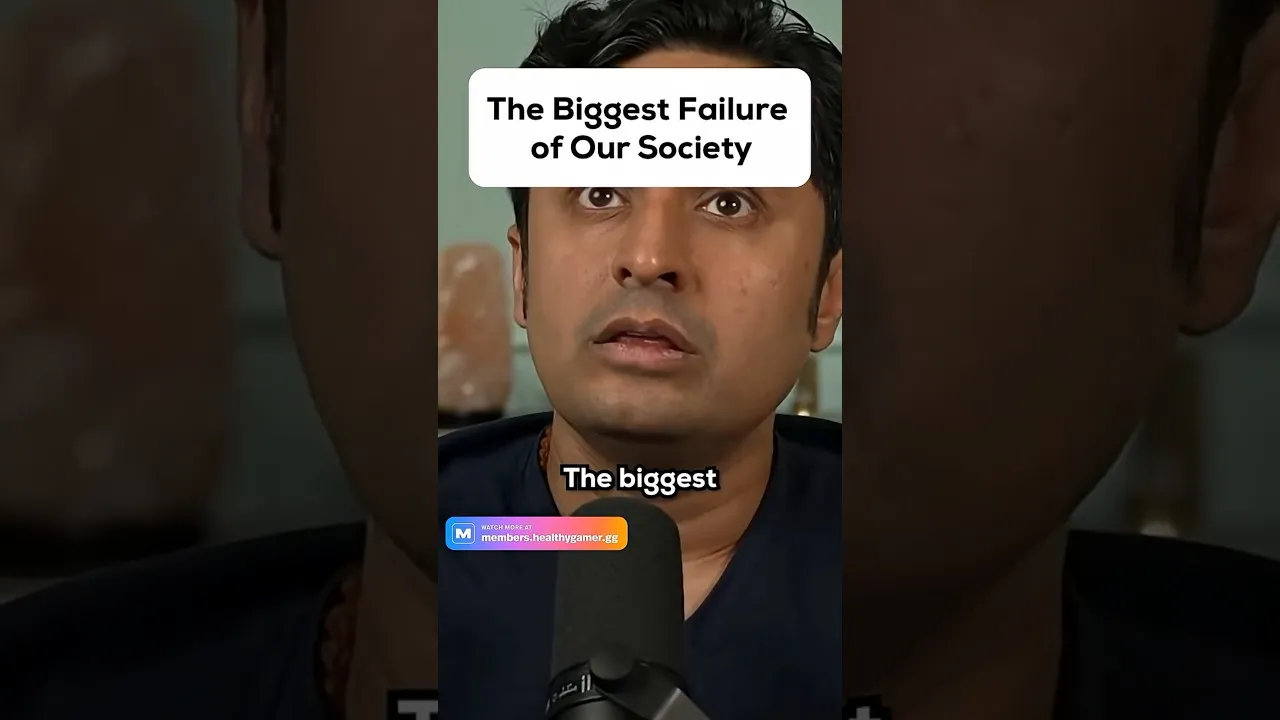
However, a fundamental societal failing, according to some perspectives, is our lack of explicit instruction on how to consciously and accurately derive lessons from these experiences. This often leads to the formation of automatic, and potentially inaccurate, conclusions that can shape our perceptions of the world and ourselves, sometimes to our detriment.
The Power of Automatic Conclusions
Our minds are wired to seek patterns and create meaning. When an event occurs, especially one that carries an emotional charge, our brains automatically generate a conclusion. For instance, a negative interaction with a professional might lead to a sweeping generalization like, “Mechanics cannot be trusted.” Similarly, repeated setbacks, such as being rejected from numerous medical schools, can foster automatic conclusions about one’s own capabilities or worthiness.
This process of forming automatic conclusions is largely unconscious. We don’t actively choose the lessons we internalize.
These lessons are absorbed through the lens of our immediate emotional state and prior beliefs, which can skew our interpretation of events. Over time, these unexamined conclusions can form the bedrock of our beliefs about ourselves, others, and the world around us, influencing our decisions and opportunities.
The Danger of Unexamined Lessons
The core issue arises when these automatic conclusions are not accurate or are overly generalized. If a single negative experience with a mechanic leads to a distrust of all mechanics, it can unnecessarily complicate future needs for car repair. If multiple rejections from medical school lead to the conclusion, “I am not smart enough to be a doctor,” it can prematurely close off a potential career path without a thorough evaluation of all contributing factors.
This unconscious learning can create a self-perpetuating cycle. Negative conclusions about oneself can lead to behaviors that reinforce those conclusions, while a negative view of others can hinder the formation of healthy relationships. The danger lies in living life based on conclusions that were formed reactively rather than reflectively.
Intentionally Developing Meaning: A Path to Growth
The turning point, as suggested by this perspective, is the conscious decision to move beyond automatic conclusions and intentionally develop meaning from our experiences. This involves actively engaging with our experiences, particularly those that are emotionally significant, and asking ourselves critical questions:
- What is the specific lesson I am learning from this experience?
- What is the most accurate and constructive takeaway from this situation?
- How can I reframe this experience to foster personal growth?
By engaging in this reflective process, we shift from being passive recipients of life’s lessons to active architects of our understanding. This intentionality allows us to challenge potentially harmful automatic conclusions and replace them with more balanced, accurate, and empowering insights.
Applying Intentional Learning to Life’s Challenges
Consider the example of job searching. If a person applies for many jobs and receives few interviews, an automatic conclusion might be, “I’m unemployable.” An intentional approach, however, would involve dissecting the experience: Were the applications tailored to each job? Was the resume optimized?
Was networking utilized effectively? By asking these questions, the individual can identify specific areas for improvement rather than accepting a broad, disheartening conclusion.
Similarly, in relationships, a conflict might lead to an automatic conclusion like, “My partner doesn’t care about me.” An intentional approach would involve considering the partner’s perspective, communicating feelings clearly, and seeking to understand the root cause of the conflict, rather than solidifying a negative belief based on a single incident.
Who Can Benefit?
This approach to learning is beneficial for everyone, regardless of age or background. It is particularly helpful for individuals who:
- Frequently feel stuck or discouraged by setbacks.
- Struggle with self-doubt or negative self-talk.
- Find themselves repeating unhelpful patterns of behavior.
- Are navigating significant life transitions or challenges.
- Wish to cultivate greater resilience and self-awareness.
Cultivating a Mindset of Intentional Learning
Developing the skill of intentional learning requires practice and self-awareness. It involves:
- Mindfulness: Paying attention to your thoughts and emotions without judgment.
- Curiosity: Approaching experiences with a desire to understand rather than to judge.
- Self-Compassion: Being kind to yourself, especially when facing difficulties.
- Seeking Feedback: Asking trusted friends, mentors, or professionals for their perspectives.
By consciously choosing the lessons we learn, we empower ourselves to grow, adapt, and build a more accurate and positive understanding of ourselves and the world. This shift from automatic to intentional meaning-making is a powerful tool for personal development and overcoming life’s inevitable challenges.
This article is for informational purposes only and does not constitute medical advice. Always consult with a qualified healthcare provider for any health concerns or before making any decisions related to your health or treatment.
Source: The Biggest Failure of Our Society (YouTube)