Heal Your Relationship With Food and Body
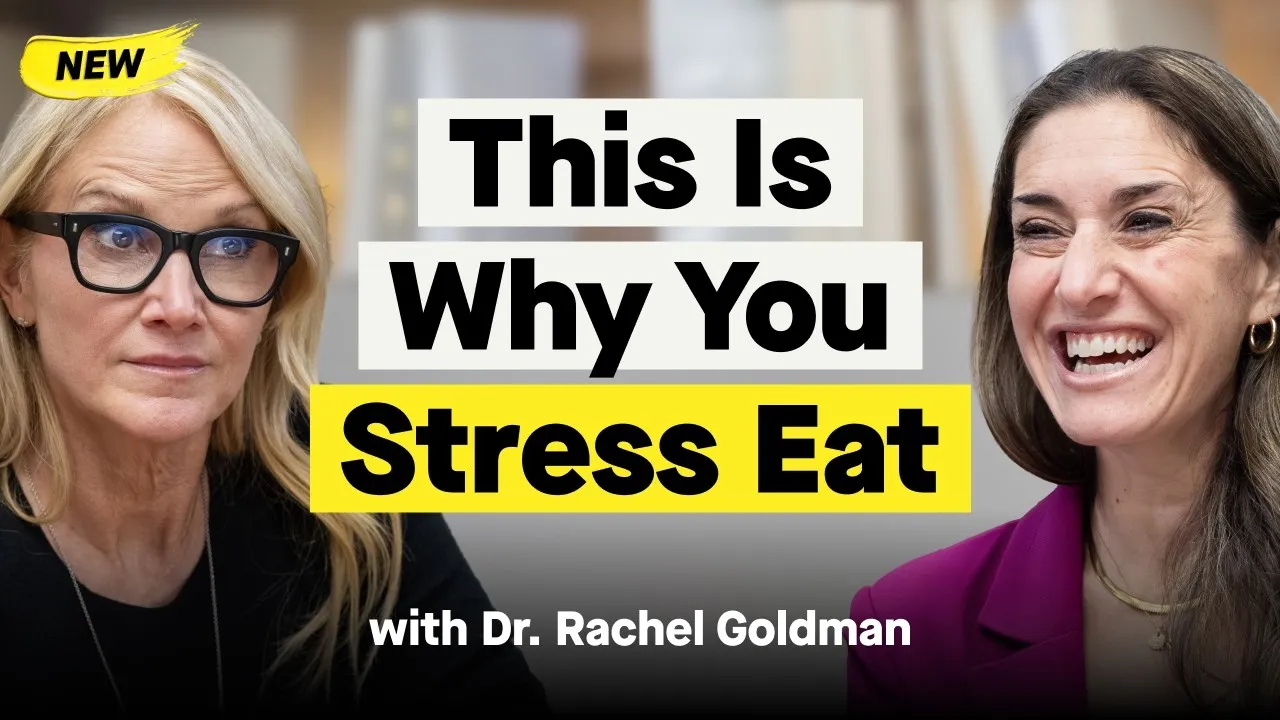
In a world saturated with diet culture and societal pressures, many of us have internalized messages that dictate our worth based on body shape, size, and eating habits. This can lead to a complex and often fraught relationship with food and our bodies. Dr. Rachel Goldman, a clinical psychologist and professor at NYU with extensive experience in emotional eating, stress, obesity, and body image, offers insights into repairing this relationship.
Understanding Emotional Eating
Emotional eating is a common coping mechanism where individuals turn to food to soothe or manage emotions, rather than addressing the underlying feelings. It’s crucial to understand that this is not a matter of willpower, but rather a response to emotional states.
The Mind-Body Connection
Dr. Goldman emphasizes the interconnectedness of our physical and mental states. Factors like sleep, mood, stress management, movement, and eating habits are all intertwined. For instance, poor sleep can impact mood, leading to less nutritious food choices or skipping meals, creating a cycle where our thoughts, emotions, and behaviors are all linked.
What is Emotional Eating?
Emotional eating is defined as eating in response to any emotion, not just sadness. This can include boredom, happiness, stress, or anger. It’s about using food to comfort or distract oneself in the moment. This differs from physiological hunger, which is the body’s genuine need for nourishment.
Distinguishing Hunger Types
Physiological hunger is a gradual sensation signaling the body’s need for fuel. It allows for flexibility in eating times and a willingness to wait. You’re likely to eat what’s available without excessive thought.
Emotional hunger, conversely, is often sudden and intense, creating an urgent craving for specific comfort foods (often high in fat or sugar). It’s a desire for immediate gratification rather than nutritional need.
The Role of Stress
Stress triggers the body’s fight-or-flight response, involving the release of hormones like cortisol. While acute stress might suppress appetite, prolonged stress can lead to increased appetite and cravings, often for high-calorie comfort foods. This is why individuals experiencing significant stress may either overeat or forget to eat altogether.
Strategies for Managing Emotional Eating
Dr. Goldman suggests a multi-faceted approach to address emotional eating and stress:
1. The Power of the Pause
The first step is awareness: recognizing when emotional eating is occurring and pausing before reacting. This pause allows for a conscious response rather than an impulsive reaction. Simple deep breathing exercises, like diaphragmatic (belly) breathing, can help ground you in the moment.
2. Cultivate a Coping Toolbox
Develop a set of healthy coping mechanisms to manage emotions and stress. This toolbox should contain varied strategies, as not all may be suitable for every situation or readily available. Examples include:
- Internal Strategies: Relaxation exercises, imagery, meditation, and deep breathing.
- Movement and Environment: Taking a short walk, getting fresh air, or engaging in physical activity.
- Distraction and Engagement: Reading a book, engaging in a hobby, or any activity that removes you from the kitchen for a short period (e.g., 10 minutes).
3. Mindful Eating
If you choose to eat, do so mindfully. This involves savoring the food, paying attention to its taste and texture, and eating slowly. Mindful eating, even of a treat like popcorn or ice cream, can be a satisfying experience, contrasting with mindless consumption driven by emotion.
4. Challenge Disordered Eating Thoughts
Dr. Goldman also addresses disordered eating, which is more common than diagnosed eating disorders. Disordered eating can include labeling foods as “good” or “bad,” all-or-nothing thinking (e.g., “I ate a cookie, so I might as well eat the whole box”), and restrictive eating patterns. The key is to shift towards flexible thinking and recognize that food is neutral, with varying nutritional values and satisfaction levels.
5. Understanding the Difference Between Disordered Eating and Eating Disorders
While emotional eating falls under the umbrella of disordered eating behaviors, it is distinct from diagnosed eating disorders like anorexia nervosa, bulimia nervosa, or binge eating disorder. These clinical diagnoses have specific diagnostic criteria outlined in the DSM (Diagnostic and Statistical Manual of Mental Disorders).
Key Health Takeaways
- Pause and Tune In: Recognize emotional eating as a common response, not a sign of weakness. Pause before eating to identify your emotional state.
- Build a Coping Toolkit: Develop multiple strategies for managing stress and emotions, such as breathing exercises, walks, or engaging in hobbies.
- Differentiate Hunger: Learn to distinguish between physical hunger and emotional cravings. Physical hunger is gradual; emotional hunger is often sudden and specific.
- Practice Mindful Eating: If you choose to eat, do so with intention, savoring the experience rather than eating mindlessly.
- Challenge Food Rules: Avoid labeling foods as “good” or “bad.” Embrace flexible thinking about food and eating.
- Seek Professional Help: If you struggle with persistent emotional eating, disordered eating, or suspect an eating disorder, consult a healthcare professional.
This article is for informational purposes only and does not constitute medical advice. Always consult with a qualified healthcare provider for any health concerns or before making any decisions related to your health or treatment.
Source: #1 Body Image Expert: How to Repair Your Relationship with Your Body & Food (YouTube)