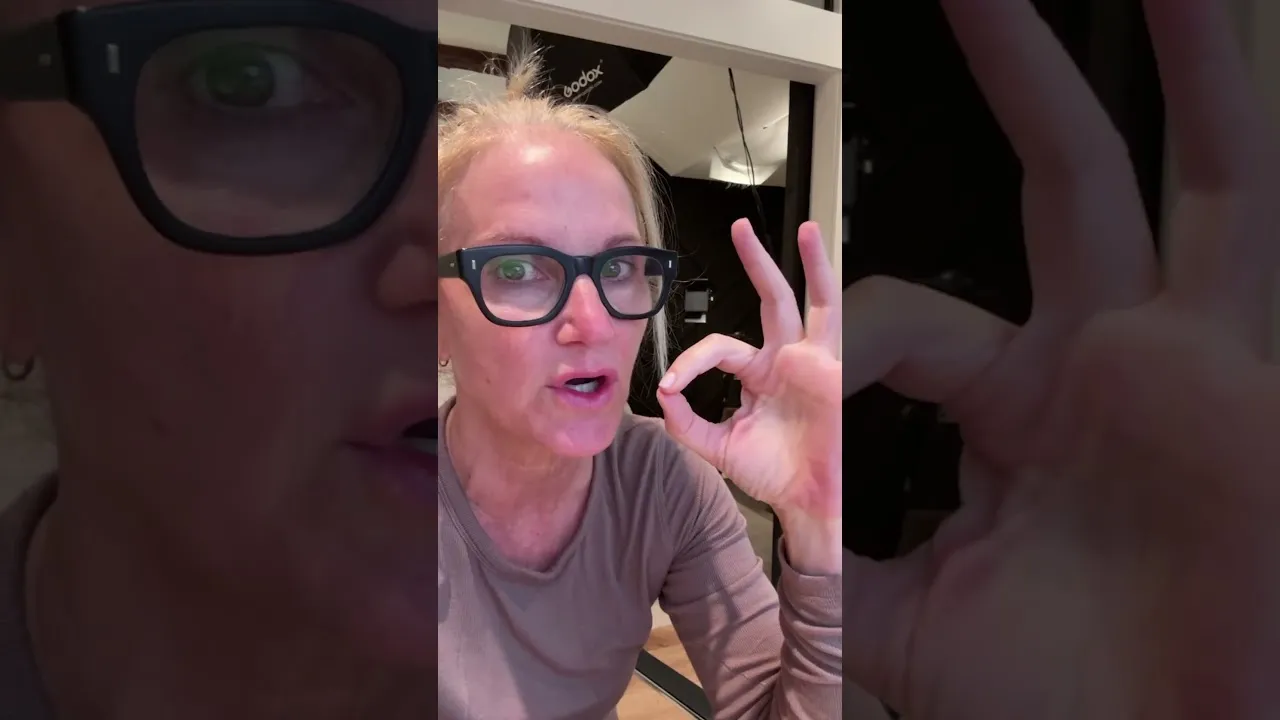
Overcome Social Anxiety: Find Your True Tribe
If you find yourself frequently experiencing anxiety in social situations, a fresh perspective might be all you need. Instead of attributing your discomfort solely to social anxiety, consider this: perhaps the issue isn’t with you, but with the company you keep. This reframing, championed by motivational speaker Mel Robbins, suggests that social discomfort can often stem from being in environments or around individuals whose values, interests, or communication styles don’t align with your own.
The ‘Wrong People’ Hypothesis
Many individuals who identify with social anxiety may actually possess a heightened sensitivity or a lower tolerance for superficial interactions. If you find yourself disliking small talk, feeling bored by shallow conversations, or possessing a strong intuition that detects inauthenticity – what Robbins refers to as an accurate “BS meter” – it might not be a sign of a disorder, but rather a reflection of your authentic self seeking deeper connections.
The core idea is to shift the focus from self-blame or self-diagnosis to recognizing environmental factors. Instead of trying to force yourself to fit into social molds that feel unnatural, the suggestion is to acknowledge that you may simply be surrounded by people with whom you don’t naturally resonate. This isn’t about judging others, but about understanding your own needs for connection and authenticity.
Identifying and Seeking Your Community
Robbins encourages a proactive approach: rather than trying to change yourself to appease the people around you, focus on finding your tribe – individuals who share your interests, values, and communication preferences. This involves a process of self-awareness and intentional seeking.
- Self-Reflection: Understand what kind of interactions and people make you feel comfortable, energized, and understood. What topics do you genuinely enjoy discussing? What kind of energy do you seek in social settings?
- Observation: Pay attention to how you feel in different social groups. Do certain interactions leave you feeling drained, anxious, or misunderstood? Conversely, where do you feel more at ease and engaged?
- Intentional Seeking: Once you have a clearer idea of what you’re looking for, actively seek out environments and groups that are likely to host like-minded individuals. This could include joining clubs, attending workshops related to your hobbies, volunteering for causes you care about, or participating in online communities focused on shared interests.
The message is empowering: there is nothing inherently wrong with you for feeling anxious in certain social settings. The perceived anxiety might be a signal that you are not in an environment where your true self can flourish. By allowing others to be themselves and by actively seeking out those who align with your authentic self, you can cultivate more meaningful and less anxiety-provoking social experiences.
Context and Applicability
This perspective is particularly relevant for individuals who experience discomfort in typical social gatherings, dislike superficial conversation, or feel like an outsider even when surrounded by people. It can be a helpful reframing for those who have been diagnosed with social anxiety or who suspect they might be struggling with it, offering an alternative lens through which to view their experiences. It’s important to note that this perspective does not negate the reality of clinical social anxiety disorder, which is a recognized mental health condition requiring professional support. However, for many, this approach can reduce feelings of isolation and empower them to seek more fulfilling social connections.
Disclaimer
This article is for informational purposes only and does not constitute medical advice. If you are experiencing significant distress or believe you have a mental health condition, please consult with a qualified healthcare professional or mental health provider. They can provide a proper diagnosis and personalized treatment plan.
Source: If you struggle with social anxiety, watch this. | Mel Robbins #Shorts (YouTube)