Unlock Stable Blood Sugar: Your Liver’s Hidden Role
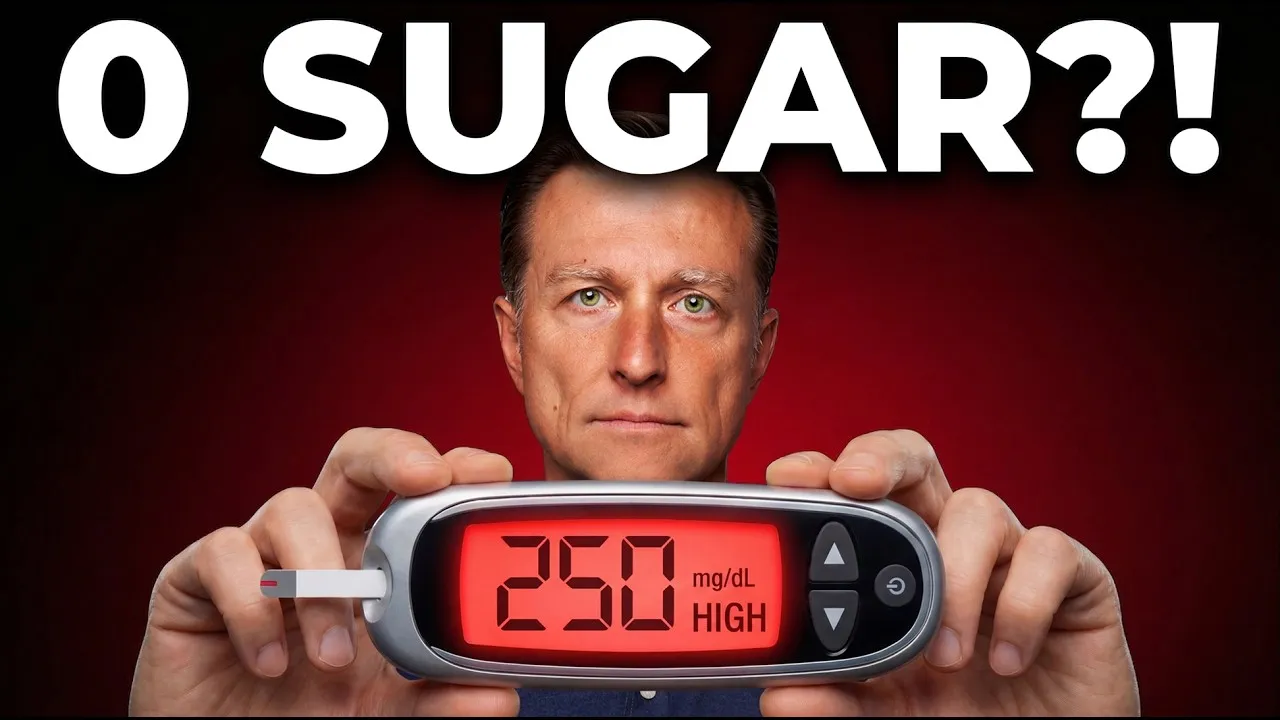
Are you meticulously avoiding sugar, cutting out carbs, and yet find yourself with concerningly high blood sugar readings? You’re not alone, and you’re likely not “cheating.” While dietary intake plays a significant role in blood sugar levels, a lesser-known contributor is your own liver, which acts as a sophisticated sugar factory. Understanding this mechanism, particularly the concept of insulin resistance, is key to managing and improving your blood sugar health.
The Liver: More Than Just a Filter
Your liver, a vital organ with hundreds of functions including detoxification, also plays a crucial role in glucose regulation. Certain essential tissues in your body, including parts of the brain and kidneys, require a constant, albeit small, supply of sugar to function optimally. If you don’t consume enough sugar through your diet, your liver steps in and produces it. This process, known as gluconeogenesis, converts non-carbohydrate sources like fats and proteins into glucose to meet the body’s needs.
Insulin: The Liver’s Off-Switch
The critical factor that regulates this sugar production is insulin. Insulin acts as an “off switch” for the liver’s sugar-making process. When insulin levels are low, the liver is signaled to produce glucose. Normally, this system is well-balanced. However, for many individuals, this hormonal balance is disrupted over years of consistently high carbohydrate intake.
Understanding Insulin Resistance
Prolonged overstimulation of insulin, often due to a diet high in sugars and refined carbohydrates for a decade or more, can lead to insulin resistance. In this condition, your body’s cells, including those in the liver, become less responsive to insulin’s signals. The liver, not effectively receiving the “off” signal from insulin, continues to produce glucose even when blood sugar levels are already adequate or high, and even when you’re not eating sugar.
The Deceptive Nature of Normal Blood Sugar Tests
It’s possible to have high insulin levels and developing insulin resistance for years without showing high blood sugar on a standard test. Initially, your body compensates by producing more insulin to manage the sugar from your diet. Doctors typically don’t test insulin levels, focusing instead on glucose. This compensatory phase can mask underlying issues until insulin resistance becomes severe, and the body can no longer produce enough insulin to clear sugar from the blood effectively. At this point, blood sugar levels begin to rise, potentially leading to type 2 diabetes.
Beyond Diet: Other Factors Affecting Blood Sugar
While insulin resistance is a primary driver for elevated blood sugar, especially when dietary sugar is low, other factors can contribute:
- Stress and Cortisol: Chronic stress triggers the release of cortisol, a hormone that can signal the liver to produce and release more sugar into the bloodstream. High levels of cortisol, whether from stress or medication (like prednisone), can significantly elevate blood sugar and even contribute to the development of diabetes.
- The Dawn Phenomenon: If you consistently wake up with high blood sugar despite not eating sugar the previous day, you might be experiencing the dawn phenomenon. This is often linked to the natural morning spike in cortisol around 8 AM, which prompts the liver to release glucose. This phenomenon is frequently a sign of underlying, long-standing insulin resistance.
Assessing Your Blood Sugar Health
While an A1C test provides a three-month average of your blood sugar, it may not fully capture the nuances of your glucose regulation, especially if your issues are primarily in the morning. A more revealing test is fasting insulin. Ideally, your fasting insulin level should be between 2 and 6. Levels between 7 and 8 indicate a risk area, and levels of 12 or higher strongly suggest significant insulin resistance. High fasting insulin levels can explain why your liver continues to produce sugar despite a low-sugar diet.
Actionable Steps to Improve Blood Sugar
Correcting insulin resistance and improving blood sugar control, especially when your liver is the primary source of elevated glucose, is achievable. The core principle is to reduce the demand on your insulin system. Here’s how:
1. Adopt a Low-Carbohydrate Diet
This goes beyond just eliminating obvious sugars. It also means significantly reducing refined starches and hidden carbohydrates found in processed foods. Pay close attention to ingredient labels for items like maltodextrin and modified food starch, which can impact blood sugar.
2. Eliminate Snacking
Frequent snacking, particularly between meals and at night, keeps insulin levels elevated. The urge to snack is often not true hunger but a response to the addictive properties of certain foods or a result of blood sugar fluctuations. Aim for two to three balanced meals per day, with no eating between them. Consider skipping breakfast and establishing a consistent eating window, such as from noon to 6 PM.
3. Prioritize Stress Management and Sleep
Lowering stress is crucial. Incorporate regular physical activity, like walking, which helps burn excess glucose and manage stress. Ensure you get adequate, quality sleep. Spending time in natural sunlight can also be more effective at reducing stress than artificial lighting.
The Path to Healing Insulin Resistance
Reversing insulin resistance takes time and consistency. By reducing the triggers for insulin release—primarily carbohydrates and frequent eating—you allow your insulin receptors to become sensitive again. This process can take several weeks to months, and for some, over a year, depending on the severity and duration of the resistance. Be patient and persistent with these lifestyle changes.
If you find yourself with high blood sugar despite a sugar-free diet, remember that your liver’s production of glucose, driven by insulin resistance, is a likely culprit. Understanding this mechanism empowers you to take targeted steps towards better metabolic health.
This article is for informational purposes only and does not constitute medical advice. Always consult with your healthcare provider before making any changes to your diet, exercise routine, or treatment plan.
Source: Why Your Blood Sugar Is High (Even With Zero Sugar) (YouTube)