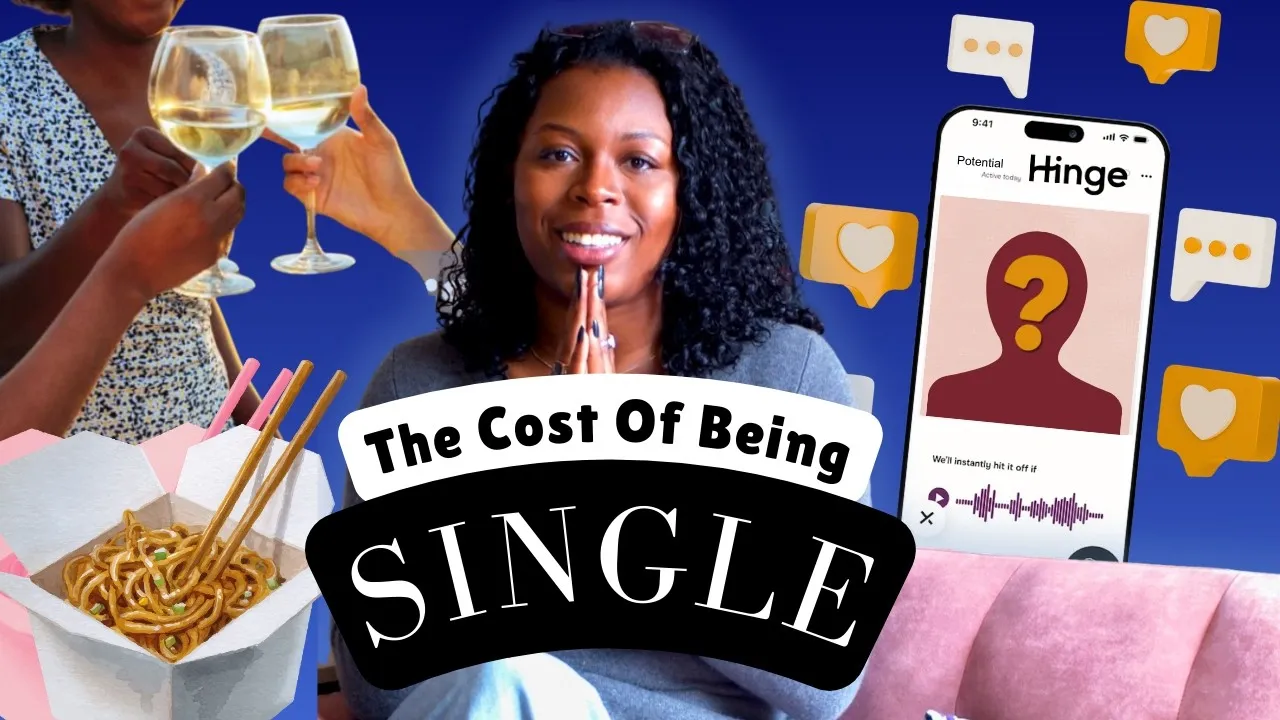
The ‘Single Tax’: Unpacking the Financial Burden on Unpartnered Individuals
In a world increasingly structured around partnerships, single individuals are facing a pervasive and often overlooked financial disadvantage, dubbed the ‘single tax.’ This phenomenon, encompassing financial, emotional, and mental costs, disproportionately impacts those without a second income to rely on, forcing them to shoulder all expenses and risks alone.
The Everyday Financial Disparity
The most immediate manifestation of the single tax is in daily expenses. When partnered friends share a meal or split a bill, that cost is often absorbed or shared within a household. For a single person, however, the entire expense falls on their individual income. This can lead to hesitation in social engagements, as spending time with friends can equate to a significant dent in a personal budget. Unlike partnered individuals who might split rent, utilities, and even small incidental purchases, single people bear these costs solo. While roommates can offer some relief, they typically do not provide the same level of financial interdependence that partners do, such as covering a portion of a bill during a financially difficult month.
“The consequence of anything not working out is mine alone to own. But I could say the same for when things go well.”
Data underscores this disparity. According to a 2024 Self article, nearly three-quarters of family households are married couples. The U.S. Census Bureau indicates that the average household income for married couples is approximately $146,000, with over 55% earning more than $100,000. In stark contrast, the average single person living alone in the U.S. earns about $56,000 annually. This gap widens for single women, who make, on average, $11,000 less per year than their male counterparts, earning around $50,270.
Beyond income, expenses also tilt the scales. Across categories like food, healthcare, housing, and transportation, single individuals spend an estimated $5,500 more per year than their partnered counterparts. Over a 40-year working life, this can accumulate to nearly a quarter of a million dollars. A Vox report even suggests that unmarried individuals may pay over a million dollars more than married people throughout their lifetimes.
The Social and Celebration Tax
Beyond daily living, single individuals often bear a significant financial burden related to social obligations. The prevalence of events like bridal showers, engagement parties, weddings, and baby showers, while joyous occasions, represent a substantial recurring expense for single attendees. These celebrations often involve travel, accommodation, gifts, and specific attire, with costs for bridesmaids alone potentially ranging from $1,500 to over $5,000 depending on the wedding’s formality and location. For a typical wedding guest, the cost can average around $1,680.
Furthermore, there’s a societal narrative that positions partnered milestones as the primary events worthy of celebration, while individual accomplishments for single people are often relegated to mere ‘to-dos.’ This can create a feeling of being overlooked and undervalued, despite the significant financial investment made to support others’ partnerships.
The economic impact of these partnered festivities is substantial. Wedding-related events alone contribute over $100 billion annually to the U.S. economy. Couples often adapt their budgets to maintain spending on these events, even amidst economic uncertainty, highlighting their perceived importance and financial backing.
The Connection and Self-Sufficiency Tax
Building and maintaining a social network also incurs costs. Activities like joining clubs, taking classes, dating, moving to new cities, and seeking therapy all require financial investment. In expensive cities like New York, a single gym membership can cost over $106 per month. For single individuals, actively investing in building a personal ‘ecosystem’ is often a necessity, requiring deliberate effort and financial resources.
The ‘risk and self-sufficiency tax’ is particularly impactful on future planning. Without a second income, single individuals face greater financial precarity in the event of job loss, rent increases, or career changes. Saving for emergencies or taking calculated career risks takes longer, as there is no buffer from a partner’s salary. The tax system itself can exacerbate this, with single filers often reaching higher tax brackets faster and missing out on deductions designed for families.
Moreover, the broader economic architecture—from housing markets and family leave policies to health insurance plans—is largely designed around the two-income household. This means single individuals must navigate systems not optimized for their ease, impacting their financial boldness, risk tolerance, and ability to achieve financial goals.
The need for self-sufficiency also increases convenience spending and the outsourcing of tasks. Without a partner to share life administration, single individuals may experience burnout more quickly, as the burden of managing all aspects of life falls solely on them.
The Mental Toll
Underlying these financial burdens is a significant mental toll. Single individuals may not be a primary ‘default’ or priority for others, unlike within a partnership. This can manifest as not having automatic plus-one status at events, requiring permission to bring a guest, or feeling less inclined to attend events due to these social hurdles. This hesitation, stemming from emotional considerations, can have tangible financial consequences.
The author emphasizes that experiencing these financial pressures does not indicate personal irresponsibility or poor money management. Instead, it highlights operating within a system not designed for single individuals. The ‘single tax’ is not a single, massive expense but rather a collection of numerous smaller costs and disadvantages that accumulate over time.
Market Impact and Investor Considerations
The concept of the ‘single tax’ reveals a significant, yet often unacknowledged, market inefficiency that disadvantages a substantial portion of the population. While partnered individuals benefit from economies of scale, shared expenses, and often preferential treatment in financial systems, single individuals must actively strategize to mitigate these disadvantages.
For investors, understanding this dynamic can offer insights into consumer behavior and spending patterns. The increased financial pressure on single individuals may influence their saving habits, investment priorities, and willingness to take on certain financial risks. Companies and financial services that cater to the needs of singles, offering flexible solutions or recognizing their unique financial circumstances, may find a growing market.
Financial platforms like Betterment aim to simplify investment strategies, recognizing that individuals, regardless of relationship status, need efficient ways to grow their wealth without constant oversight. Automated tools can help manage diversified portfolios, freeing up mental energy that single individuals may need to allocate to other financial planning and risk management due to the ‘single tax.’
Ultimately, the ‘single tax’ highlights the need for greater awareness and potential systemic adjustments to create a more equitable financial landscape for all individuals, regardless of their relationship status. It underscores that financial well-being is influenced not only by personal choices but also by the structures and systems within which individuals operate.
Source: What Nobody Tells You About Being The Single Friend (YouTube)