Markets Tumble Amid Geopolitical Tensions; History Offers Reassurance
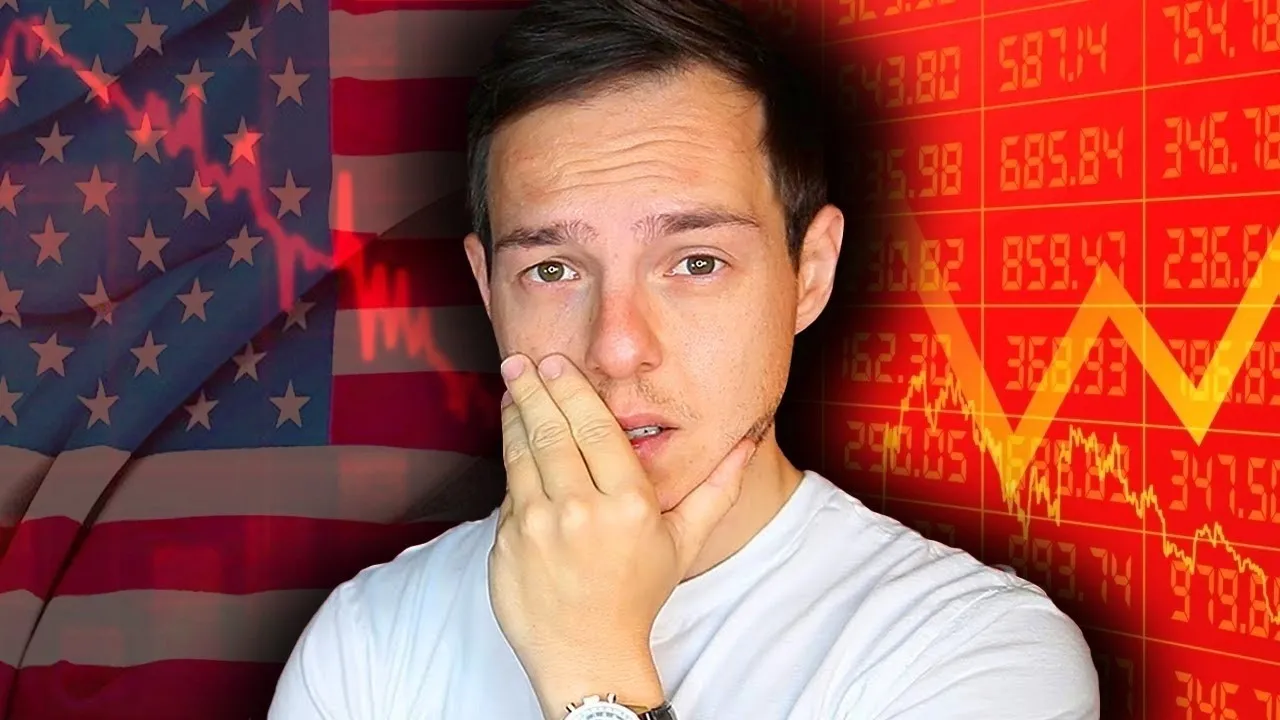
Global markets are experiencing significant volatility, with recent geopolitical events triggering sharp downturns and investor anxiety. A coordinated attack on Iran by the United States and Israel on February 28th has led to retaliatory actions, including the disruption of critical shipping routes in the Middle East. The Strait of Hormuz, a vital chokepoint responsible for approximately 20% of the world’s oil transit, has been effectively impacted, sending oil prices soaring and increasing the cost of energy and other commodities.
Escalation Triggers Market Sell-off
Initially, markets showed muted reactions, with many anticipating a swift resolution. However, the situation escalated significantly, prompting investors to price in the possibility of a prolonged conflict. This sudden shift in sentiment has led to substantial profit-taking and a broad market sell-off, wiping away gains in a matter of hours and days for many.
Historical Context of Market Crashes
While the current environment feels precarious, historical analysis reveals that market downturns, even severe ones, are not unprecedented. Examining past crises offers valuable perspective on potential market behavior and recovery patterns:
- 1907 Panic: Following the 1906 San Francisco earthquake, heavy insurance payouts led to gold withdrawals from banks, sparking widespread panic. The stock market plummeted by 50%. This event was a catalyst for the establishment of the U.S. Federal Reserve. Despite the initial crash, the market surged 193% over the subsequent four years.
- 1929 Great Depression: Fueled by easy credit for investment purposes, the stock market experienced a prolonged bull run. When signs of a top emerged, a mass sell-off ensued, compounded by bank runs as depositors feared institutional collapse. The market dropped 83% over three years, contributing to a nearly 25% unemployment rate. Full recovery took nearly two decades.
- Post-WWII Adjustment: After World War II, which had stimulated economic activity, the stock market saw a decline of nearly 22% in six months as veterans re-entered the workforce, increasing competition for limited jobs. However, this was followed by a 15-year period of growth, with stocks rising over 935%.
- 1973-74 Recession: The removal of the U.S. dollar from the gold standard by President Nixon led to high inflation. The Federal Reserve’s subsequent interest rate hikes contributed to a 40% market decline. The market then rebounded, averaging an 845% gain over the following three years.
- 1987 Black Monday: The stock market experienced a dramatic 22% drop in a single day. However, this downturn was short-lived, followed by an over 800% rise in the next 13 years.
- 2001 Dot-com Bubble: A speculative frenzy in internet-related companies led to a bubble that burst when many of these companies failed to generate profits. The market lost between 40% and 60% of its value. Despite this, the market saw nearly 110% growth in the subsequent five years.
- 2008 Great Recession: Excessive mortgage lending to subprime borrowers led to widespread defaults, causing a cascade of bank failures and a roughly 50% drop in the stock market. This was followed by the longest bull market in history.
- COVID-19 Pandemic: The pandemic triggered a rapid 30% market decline. Government stimulus measures, including significant money printing, supported a 120% market increase over the following five years.
- 2025 Tariff Scare: This event, characterized by significant single-day losses, preceded a 35% market rise from the subsequent low.
Geopolitical Events and Market Performance
Historical data suggests that geopolitical events, while unsettling, do not necessarily lead to long-term market decline. Research indicates that, on average, stock prices have been approximately 5% higher six months after major geopolitical events since World War II. Furthermore, February and March have historically been weaker months, often followed by a resumption of upward trends.
Midterm Year Dynamics
An additional factor to consider is the cyclical nature of markets. Midterm election years, such as 2026, historically experience larger peak-to-trough declines. Since 1950, the average intra-year pullback in midterm years has been around 17.5%, compared to 11-13% in other years. This data underscores the potential for volatility within specific economic cycles.
Market Impact: What Investors Should Know
The current market downturn, driven by geopolitical tensions and supply chain concerns, is testing investor resolve. However, a review of historical precedents reveals a consistent pattern: markets tend to recover and grow over the long term, even after significant shocks.
- Long-Term Perspective is Key: For investors with a time horizon of 20 years or more, short-term market fluctuations, including significant drops, have historically had minimal impact on long-term wealth accumulation. The buy-and-hold strategy has consistently proven effective.
- Buying Opportunity: Market downturns can present opportunities to acquire assets at lower prices. The analogy of purchasing a depreciating asset like a television at a discount highlights that falling prices for investments, when viewed through a long-term lens, can be advantageous.
- The Danger of Panic Selling: The most significant risk for investors is often not the market decline itself, but the emotional response of panic selling. This behavior, driven by fear, can lead to locking in losses and missing out on subsequent recoveries.
- Consistency in Investing: Maintaining a consistent investment strategy, such as dollar-cost averaging (investing a fixed amount regularly), regardless of market conditions, is crucial. This approach mitigates the risk of trying to time the market and ensures participation in long-term growth.
- Focus on Fundamentals: While geopolitical events create short-term noise, long-term investment success relies on staying employed, saving consistently, and maintaining a long-term outlook.
Navigating Uncertainty
In times of heightened economic uncertainty and rising financial stress, the risk of cyber threats, including identity theft and data breaches, also increases. Utilizing tools like a Virtual Private Network (VPN) can enhance online security, particularly when using public Wi-Fi networks. A VPN encrypts online data, masks IP addresses, and protects personal information from potential exploitation.
Ultimately, the current market environment serves as a test of investor discipline. While the future remains uncertain, history suggests that a proactive approach—focusing on consistent saving and investing with a long-term horizon—is the most reliable path to financial success. As Warren Buffett famously advised, “Be fearful when others are greedy, and greedy when others are fearful.” This principle is particularly relevant during periods of market turmoil, where emotional reactions can lead to costly mistakes.
“Be fearful when others are greedy, and greedy when others are fearful.”
Source: The Stock Market Crash Has Begun – Do THIS ASAP! (YouTube)