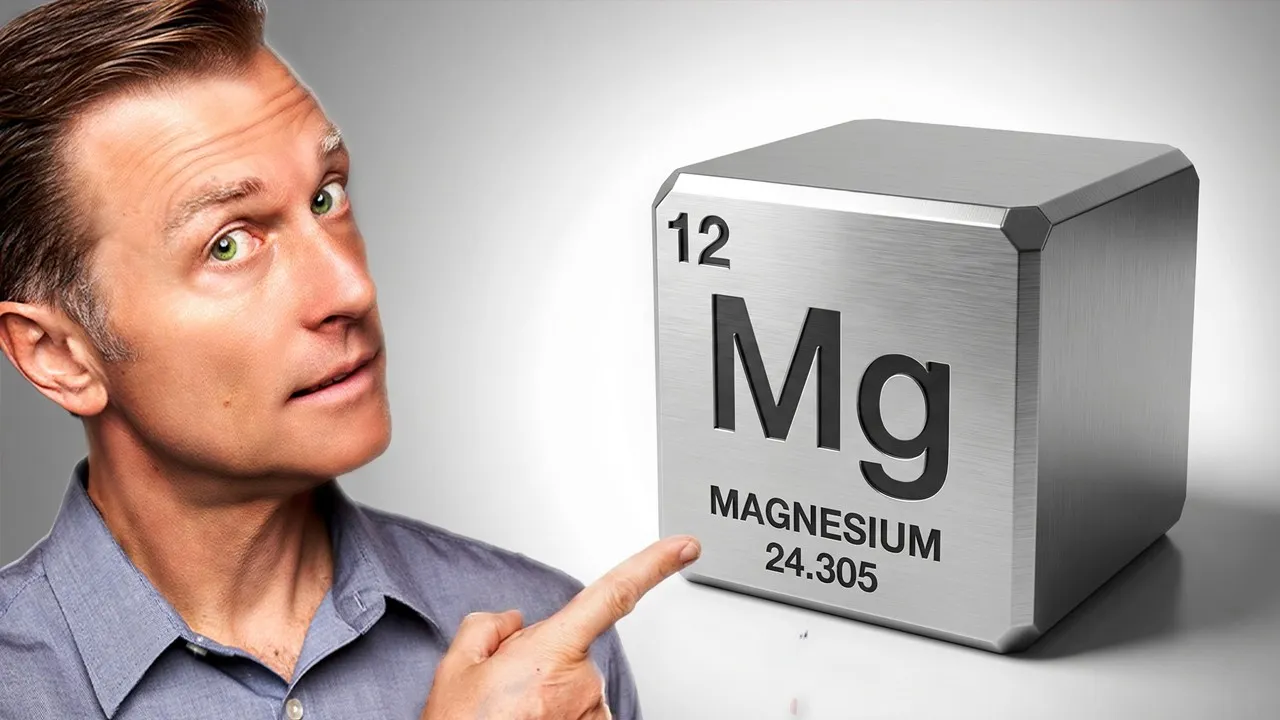
Unlock Vitality: 9 Magnesium Deficiency Signs Revealed
Many individuals attribute persistent fatigue, inflammation, and stress to unknown causes. However, a significant underlying factor could be a common mineral deficiency: magnesium. This essential mineral plays a crucial role in hundreds of bodily functions, yet its deficiency often goes unnoticed by conventional medical assessments.
Why Blood Tests Miss the Mark
A common misconception, even among some healthcare professionals, is to rely solely on blood serum levels to assess magnesium status. This approach is fundamentally flawed. The vast majority of the body’s magnesium is stored within bones and cells, with only a tiny fraction circulating in the blood. Relying on blood tests is akin to judging a person’s wealth by the loose change in their pocket rather than their bank account.
Factors Depleting Magnesium Levels
Numerous factors can contribute to magnesium depletion, including:
- Certain medications (over 300 are known to deplete magnesium)
- Chronic stress
- High sugar intake
- Excessive caffeine consumption
- Alcohol use
- High insulin levels due to high carbohydrate diets, particularly in individuals with insulin resistance
- Low stomach acid (hydrochloric acid)
- Low salt intake
- Vitamin D deficiency
Understanding these depleting factors is crucial for addressing potential deficiencies.
Nine Hidden Symptoms of Magnesium Deficiency
When magnesium levels drop, the body often sends subtle, yet significant, signals. Recognizing these can prompt timely intervention:
- Sudden Anxiety or Panic Attacks: Magnesium acts as the body’s natural ‘brakes’ for the nervous system. Without adequate magnesium, the system can become overstimulated, leading to unexplained anxiety or even panic attacks.
- Waking Up at 2 AM: This common sleep disturbance can be linked to elevated cortisol levels. Magnesium helps regulate cortisol, and its deficiency can disrupt sleep patterns, especially during the early morning hours.
- Eye Twitching (Tetany): This involuntary muscle twitching is a classic sign of magnesium deficiency. It occurs when there’s an imbalance between calcium and magnesium. Calcium triggers muscle contraction, while magnesium promotes relaxation. Insufficient magnesium leads to uncontrolled contractions.
- Heart Palpitations After Eating: Magnesium is vital for relaxing the heart muscle and blood vessels. A deficiency can lead to stiff arteries, increased blood pressure, and irregular heartbeats like atrial fibrillation.
- Exhaustion from Thinking: The brain, though small, is an energy-intensive organ. Magnesium is fundamental for energy production within the mitochondria, the powerhouses of cells. Even simple cognitive tasks can lead to profound fatigue if magnesium is low.
- Random Chest Tightness: Low magnesium can impair the relaxation of smooth muscles, including those in the heart and arteries. This can cause a feeling of tightness or constriction, sometimes mistaken for more serious cardiac events.
- Sugar or Carbohydrate Cravings: Magnesium plays a role in regulating blood sugar. When deficient, individuals may experience intense cravings for sugary or high-carbohydrate foods, often surprisingly diminishing once magnesium levels are restored.
- Feeling Wired but Tired: This paradoxical state, characterized by an inability to relax and achieve restful sleep despite feeling fatigued, is a hallmark of magnesium deficiency. It reflects a nervous system that cannot calm down due to insufficient magnesium. Restless leg syndrome can also be associated with this.
- Feeling Physically Heavy: A profound sense of heaviness or lethargy, as if moving through water, can indicate that the body’s energy production is compromised. This is directly related to the mitochondria’s dependency on magnesium for optimal function.
Choosing the Right Magnesium Supplement
Not all magnesium supplements are created equal. Magnesium oxide, commonly found in many drugstores, is poorly absorbed, with only about 3% bioavailability. Taking large doses can lead to digestive upset like diarrhea, negating its benefits.
A superior choice is magnesium glycinate. This form combines magnesium with glycine, an amino acid that supports calming neurotransmitters like GABA in the brain. Magnesium glycinate offers significantly higher absorption (up to 80%) and is well-tolerated. While some debate its direct impact on the brain, its benefits are often seen indirectly through improved gut and tissue health, which in turn influence brain function and sleep quality.
Optimizing Magnesium Intake and Absorption
Timing and Dosage: The best time to take magnesium is typically in the later part of the day, such as after dinner. For therapeutic benefits, especially for conditions like atrial fibrillation or osteoporosis, taking 300-400 mg of magnesium glycinate multiple times a day can enhance absorption and effectiveness, as the body can only process a certain amount at once.
Enhancing Absorption:
- Dietary Adjustments: Adopting a low-carbohydrate diet can help improve insulin sensitivity, which in turn enhances magnesium absorption.
- Digestive Health: For individuals over 50 or those experiencing indigestion, heartburn, or GERD, low stomach acid may be a factor. Supplementing with betaine hydrochloride can improve stomach acid levels, aiding in the absorption of magnesium and other minerals.
- Vitamin D Synergy: Magnesium and vitamin D have a reciprocal relationship; vitamin D requires magnesium for absorption, and magnesium absorption can be supported by adequate vitamin D levels. Ensuring sufficient intake of both can be beneficial.
- Mindful Caffeine Intake: Excessive caffeine consumption can deplete magnesium. Limiting intake, perhaps to one small cup of coffee per day, can be helpful.
A Note on Supplementation
This article is for informational purposes only and does not constitute medical advice. Magnesium supplementation should be discussed with a healthcare professional, especially if you have pre-existing health conditions or are taking medications. Always consult your doctor before starting any new supplement regimen.
Source: 9 Warning Signs Your Body Is Begging for Magnesium (YouTube)