Financial Experts Reveal Top Auto Brands for Wealth Builders
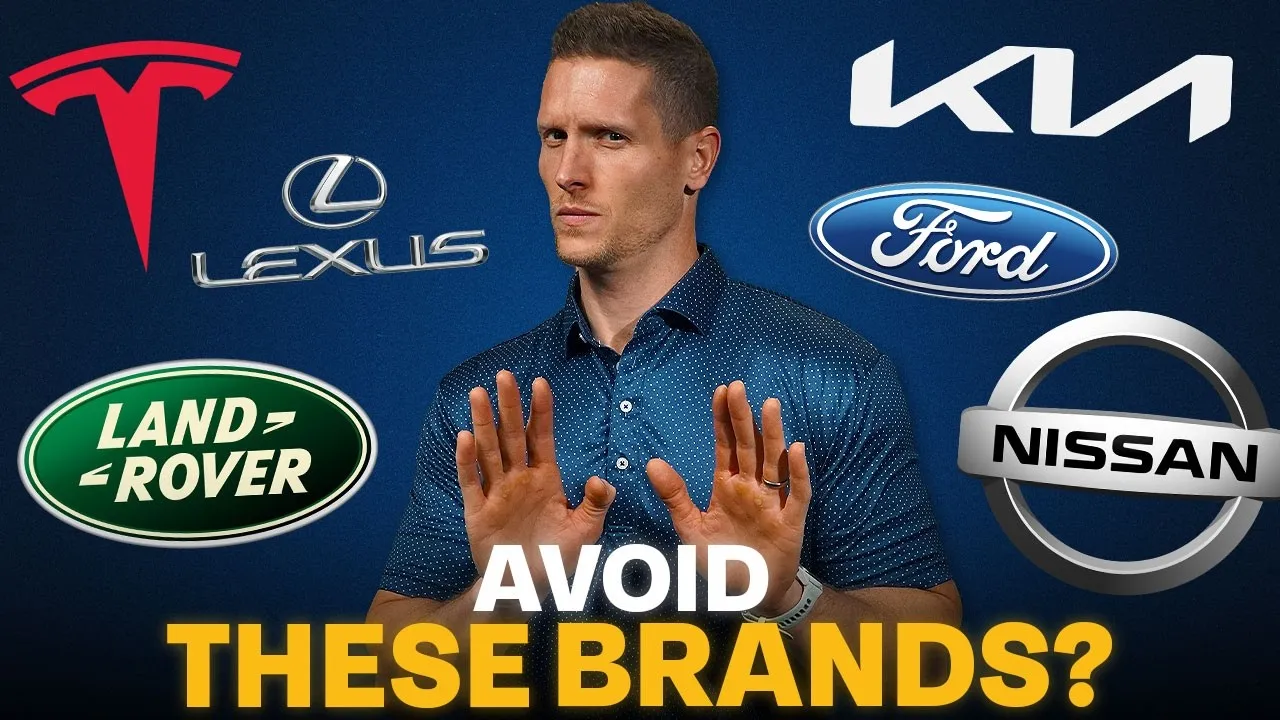
Choosing the right vehicle can significantly impact your financial trajectory, according to Certified Financial Planners Brian Preston and Bo Hanson. In a recent discussion, the duo, known for their ‘Money Guy’ platform, highlighted which automotive brands can align with a wealth-building strategy and which ones pose a significant financial risk to consumers, particularly those aiming for long-term financial independence.
Brands Aligned with Financial Prudence
Preston and Hanson identified several brands that generally represent sound financial decisions due to factors like reliability, lower depreciation rates, and reasonable maintenance costs. These brands are often favored by individuals who prioritize value and long-term cost of ownership over immediate luxury or brand prestige.
While specific brand names were not explicitly detailed in the provided transcript excerpt, the underlying principle emphasizes purchasing vehicles that minimize financial drag. This typically includes:
- Reliability: Cars that require fewer repairs and have a lower likelihood of unexpected, costly maintenance issues.
- Depreciation: Vehicles that hold their value better over time, reducing the overall cost of ownership when it’s time to sell or trade in.
- Fuel Efficiency: Lowering ongoing operational expenses, especially in a volatile energy market.
- Insurance and Maintenance Costs: Brands with generally lower premiums and more affordable parts and labor.
Brands to Approach with Caution
Conversely, the financial experts cautioned against certain automotive brands that often come with a higher total cost of ownership. These brands may appeal to consumers for their luxury, performance, or cutting-edge technology, but they can represent a significant drain on personal finances, particularly for those focused on accumulating wealth.
The characteristics that often lead to these brands being flagged include:
- Rapid Depreciation: Luxury or high-end vehicles often lose a substantial portion of their value in the first few years.
- Higher Maintenance and Repair Costs: Specialized parts, complex engineering, and premium labor rates can escalate ownership expenses.
- Increased Insurance Premiums: The value and performance of these vehicles often translate to higher insurance costs.
- Premium Fuel Requirements: Some high-performance vehicles necessitate more expensive fuel, adding to ongoing costs.
The ‘Financial Mutant’ Approach to Vehicle Acquisition
The concept of a ‘Financial Mutant’ is central to Preston and Hanson’s philosophy. These are individuals who prioritize financial independence and make deliberate decisions to optimize their wealth-building potential. For such individuals, a vehicle is viewed as a tool and a depreciating asset, not a status symbol. The decision-making process for car purchases is therefore heavily weighted towards economic rationality.
This approach encourages:
- Buying Used: Purchasing a vehicle that has already undergone its steepest depreciation curve.
- Considering Total Cost of Ownership: Evaluating not just the purchase price but also fuel, insurance, maintenance, and potential repair costs over the expected ownership period.
- Avoiding Unnecessary Features: Opting for reliable models with essential features rather than expensive, high-tech additions that may not add long-term value or could become costly to repair.
- Strategic Brand Selection: Focusing on brands with a proven track record of reliability and lower cost of ownership, even if they lack the perceived prestige of luxury marques.
Market Impact and Investor Considerations
While the discussion primarily focuses on personal finance decisions, the underlying automotive market trends are relevant. Brands that consistently offer value and reliability tend to maintain a stronger market position among a broader consumer base, including those who are financially savvy. Conversely, brands associated with higher costs of ownership may see fluctuating demand, particularly during economic downturns when consumers become more price-sensitive.
For investors, understanding consumer behavior and brand loyalty in the automotive sector can provide insights. Companies that produce reliable, cost-effective vehicles may offer more stable returns. On the other hand, luxury brands might appeal to a more niche market, making their performance more susceptible to economic cycles and shifts in consumer spending priorities.
What Investors Should Know
The advice from Preston and Hanson underscores a fundamental principle in personal finance: minimizing unnecessary expenses is crucial for wealth accumulation. When applied to major purchases like vehicles, this means looking beyond the sticker price. The true cost of a car includes its entire lifecycle expenses – from purchase and financing to fuel, insurance, maintenance, and eventual resale value.
Short-Term Implications: Consumers looking to buy a car now should research brands known for their longevity and lower repair histories. This might mean considering reputable mainstream brands or well-maintained pre-owned vehicles from various manufacturers. Focusing on fuel efficiency and lower insurance premiums will also provide immediate savings.
Long-Term Implications: For individuals aiming for financial independence, consistently choosing vehicles that align with a low-cost ownership strategy can free up thousands of dollars over the years. This saved capital can then be redirected towards investments, debt reduction, or other wealth-building activities, significantly accelerating the path to financial freedom.
The ‘Money Guy’ experts emphasize that while the allure of luxury or high-performance vehicles is understandable, true financial strength comes from making rational decisions that support long-term goals. The automotive choices made by individuals can either be a significant asset or a substantial liability in their journey toward financial security.
Source: The BEST and WORST Cars for Financial Mutants (And Which Brands They Avoid) (YouTube)