Financial Independence Eroded by Unchecked Relationship Dynamics
In an era where financial independence for women is increasingly championed, a concerning trend is surfacing: women are finding themselves financially vulnerable within relationships, often funding significant assets like homes while forfeiting equity and legal recourse. This pattern, frequently highlighted in online discussions, sees women defending partners who appear to be exploiting their financial contributions, leading to a stark disconnect between financial responsibility and ownership rights.
The Unsecured Homeownership Predicament
A recent case exemplifies this issue: a woman has taken on the mortgage responsibility for a house, yet her name is not on the deed. Her boyfriend is reportedly framing the exclusion from the deed as an act of the bank, suggesting they are being “screwed over” because she wasn’t present at the closing. This narrative, however, overlooks fundamental real estate and financial principles.
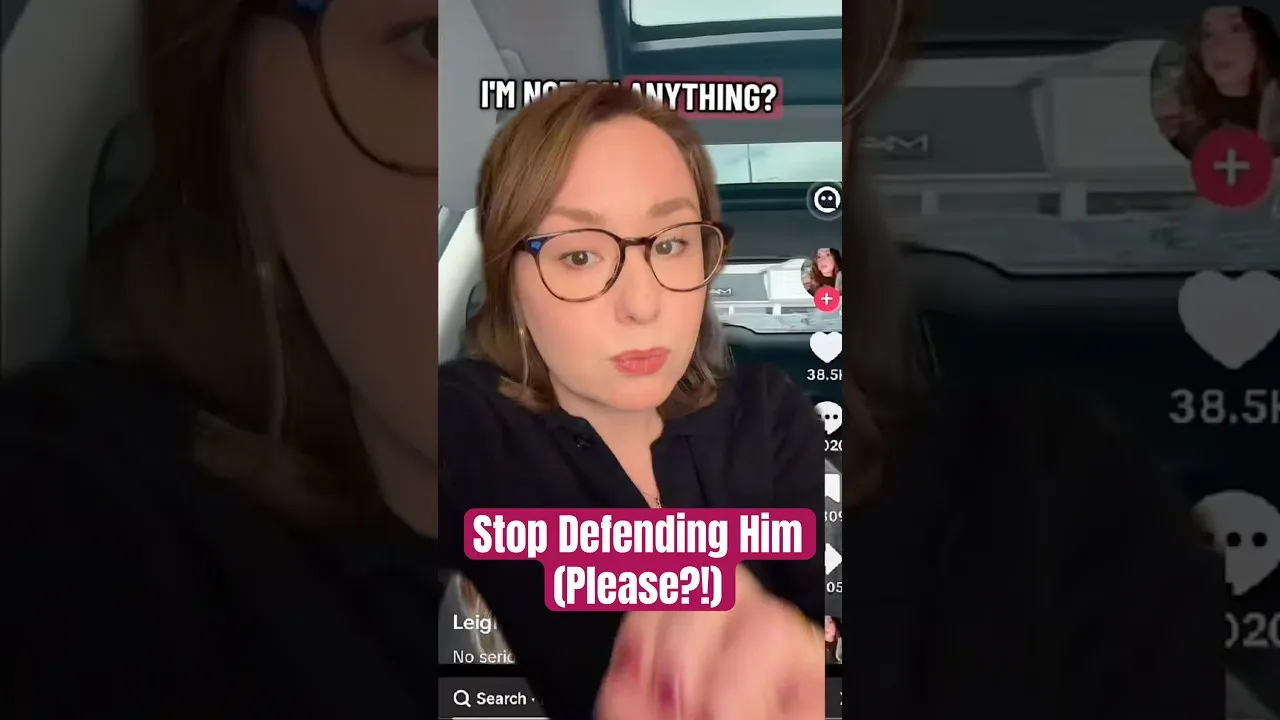
“I own a home. I pay that mortgage every single month out of my own bank account because that bill is one of my responsibilities in my marriage. But both of our names are on that deed. And let me assure you that absolutely no one involved in the closing process of a home gives one solitary [expletive] whose name is on that deed.”
The reality, as experienced homeowners can attest, is that closing agents and banks are primarily concerned with the legal and financial viability of the transaction. The inclusion of a name on a deed is a deliberate legal act, not an oversight that occurs at closing due to a party’s absence. In this scenario, the boyfriend is poised to benefit significantly by having his partner bear the financial burden of the mortgage without granting her any ownership stake in the property.
Legal and Financial Ramifications
The situation is further complicated by the fact that the couple is not married. In the event of a separation, the woman would not be automatically entitled to a share of the property’s equity. Unlike married couples who often have legal rights to marital assets, unmarried partners typically must resort to legal action, such as suing for a constructive trust or seeking to recover their investment, to reclaim any portion of the asset they helped finance. This process can be costly, time-consuming, and uncertain.
The Defense Mechanism and its Consequences
A recurring theme in these situations is the immediate defense of the partner by the woman involved, often in online comment sections. Arguments such as “we don’t understand the relationship” or “he would never do that” are common. These defenses, while perhaps stemming from a desire to protect the relationship or a belief in the partner’s integrity, can obscure the exploitative financial dynamics at play. The assertion that the bank is at fault shifts blame away from the individual decisions and agreements made within the couple.
Historical Context and Modern Responsibility
This modern predicament stands in stark contrast to the hard-won battles of past generations of women who fought for the right to open bank accounts, own property, and maintain financial independence. The current iteration of “choice feminism,” as described by some, is criticized when it appears to involve a voluntary abdication of agency and financial literacy in favor of a partner, without securing equal footing or protection.
The implication is that while the fight for women’s financial rights has achieved significant milestones, the responsibility now falls on individuals to utilize these rights effectively. This includes a commitment to understanding financial agreements, reading legal documents, and advocating for one’s own interests. Failing to do so, especially when significant financial commitments like home purchases are involved, leaves women susceptible to financial exploitation.
What Investors Should Know
The core issue transcends relationship advice and enters the realm of financial literacy and due diligence. For anyone, regardless of gender, entering into significant financial agreements, particularly those involving real estate, the following are critical:
- Deed vs. Mortgage: Understand that being responsible for a mortgage payment does not automatically grant ownership. Ownership is established through legal title, typically recorded on a deed.
- Closing Process: Be present and actively involved in all aspects of a property closing. Ensure all legal documents accurately reflect the intended ownership structure.
- Legal Counsel: When in doubt, consult with an independent real estate attorney before signing any documents. They can explain your rights and obligations.
- Marital vs. Unmarried Status: Recognize that legal protections and property division laws differ significantly between married and unmarried partners. Unmarried partners often lack automatic rights to shared assets.
- Financial Literacy: Educate yourself on basic financial and real estate concepts to protect your assets and understand your financial standing in any agreement.
The trend highlights a gap where financial contributions are made without corresponding legal security, leaving individuals vulnerable to significant financial loss. Proactive education and assertive self-advocacy are presented as essential tools for navigating these complex financial landscapes and safeguarding personal wealth.
Source: Stop Defending Him (YouTube)