US Nears Debt Cycle End: Trump’s Policies Fueling Market Shifts
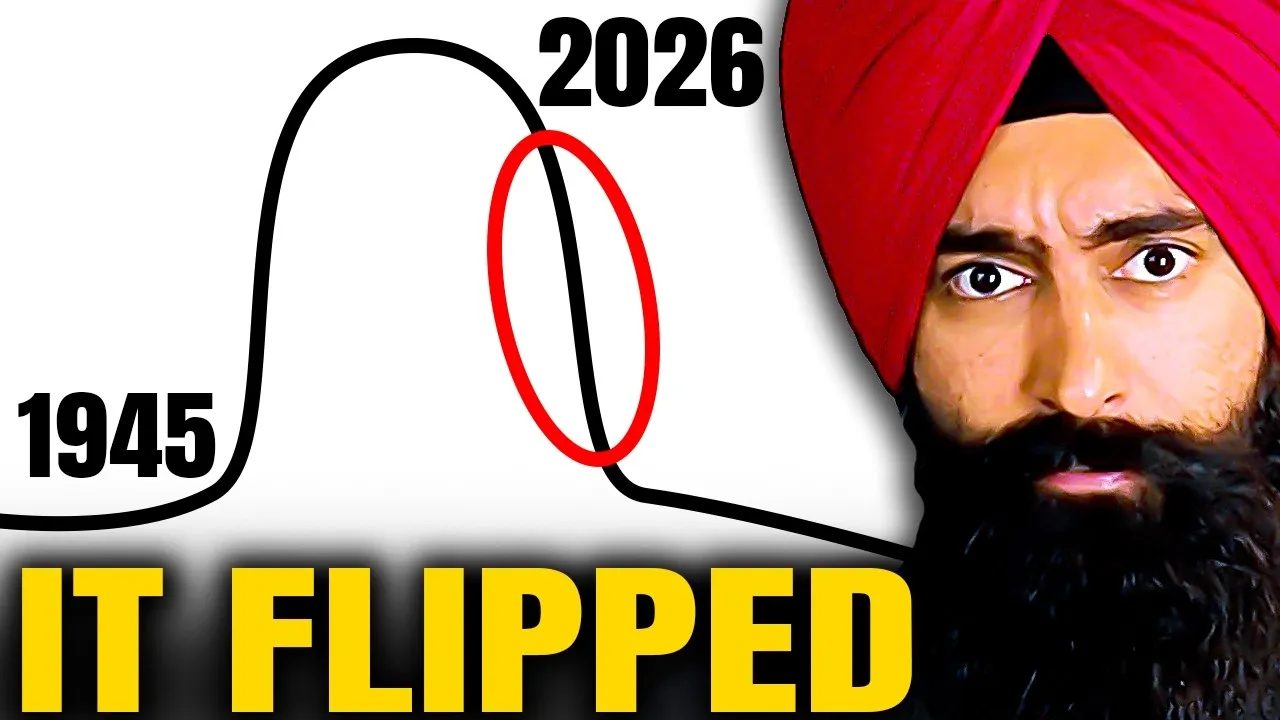
The United States economy is showing signs of entering the late stages of a long-term debt cycle, a phenomenon characterized by escalating government debt, internal societal friction, rising global rivals, currency debasement, and the potential for external conflict. This critical juncture, as outlined by financial theorist Ray Dalio, is being influenced by current geopolitical events and the economic policies championed by former President Donald Trump, potentially reshaping the financial landscape for investors.
Understanding the Long-Term Debt Cycle
Ray Dalio, founder of the world’s largest hedge fund, Bridgewater Associates, has extensively studied historical economic cycles. He posits that economies, particularly those that achieve superpower status, often follow a predictable pattern. After an initial phase of strategic debt utilization for growth and productivity, an economy can enter a bubble phase where borrowing continues even as its productivity wanes. This eventually leads to the late stage, where productivity declines, but borrowing increases to sustain the economy, leading to currency debasement and increased reliance on debt.
“Now, in the private markets, credit markets, we just talk about a debt uh death spiral. And a debt death spiral is that part of the cycle when you when the uh debtor needs to borrow money in order to pay debt service and it accelerates and then everybody sees that and they don’t want to hold the debt. That’s where we’re approaching.” – Ray Dalio
Dalio identifies five key indicators for these late stages:
- High Government Debt: The U.S. national debt has surpassed $38 trillion. In 2025, interest payments on this debt are projected to exceed the entire military budget, highlighting the immense financial burden.
- Rising Internal Conflicts: Increased political polarization and societal divisions weaken national unity and can distract from external challenges.
- Rising Rival Powers: Foreign nations, particularly China, are strengthening their economies and currencies, seeking to challenge the U.S.’s global economic dominance. China’s efforts to acquire physical gold underscore this competitive dynamic.
- Currency Debasement: The U.S. dollar, not backed by a physical commodity like gold, can lose value as more money is printed. In 2025, the dollar experienced one of its worst years in a decade, depreciating by approximately 10%.
- External War: Geopolitical conflicts can arise as a result of perceived weakness or as an attempt to unite a nation and stimulate the economy through increased spending. The current conflict in the Middle East exemplifies this stage.
Trump’s Economic Policies and Their Impact
The economic policies advocated and implemented by former President Donald Trump align with several of these late-stage debt cycle indicators.
Tariffs and Trade Rebalancing
The use of tariffs, particularly against China, was intended not only to generate tax revenue but also to incentivize businesses to return to the U.S. and weaken rival economies. By disrupting the significant trade relationship between the U.S. and China, these tariffs aimed to slow China’s economic growth, which has been outpacing that of the United States.
The Weaker Dollar Strategy
Trump has expressed a desire for a weaker U.S. dollar. While a weaker dollar can make U.S. exports more attractive to foreign buyers, it also reduces the purchasing power of the dollar domestically. This means consumers need more dollars to buy the same goods and services, exacerbating the impact of inflation, especially when incomes are not keeping pace.
Federal Reserve Policy
Trump has also signaled intentions to influence Federal Reserve policy, advocating for lower interest rates. Lower interest rates can stimulate borrowing and spending, potentially fueling inflation. This desire for lower rates, coupled with the current geopolitical tensions that are driving up oil prices and consequently inflation, presents a complex challenge for monetary policy.
Market Impact and Investment Considerations
The confluence of these economic factors and geopolitical events creates a unique investment environment. While history does not repeat exactly, it often rhymes. The period of the early 1970s, when the dollar was removed from the gold standard and the Middle East experienced oil price shocks, saw gold prices surge while the stock market faltered.
Investors are contemplating several potential opportunities and risks:
- Gold: Historically, gold has performed well during times of economic uncertainty and currency devaluation. As concerns about the dollar’s value persist, gold could see continued interest. ETFs like GLD offer exposure to gold prices.
- Energy: The ongoing conflict in the Middle East has led to a significant increase in oil prices. Energy companies stand to benefit from sustained high energy costs. ETFs such as XLE provide exposure to this sector.
- Defense: Extended geopolitical conflicts often lead to increased government spending on military equipment and services, benefiting defense contractors. ETFs like ITA track this industry.
- U.S. Industrials: Policies aimed at reshoring manufacturing and businesses to the U.S. could boost domestic industrial companies, helping them avoid tariffs and supply chain disruptions. ETFs like XLI offer exposure to this sector.
- Real Estate and Dividend Stocks: For a more defensive approach, investing in physical real estate or dividend-paying stocks, such as those found in ETFs like SCHD, can provide stable income regardless of broader market volatility.
The “Always Be Buying” (ABB) Strategy
A consistent investment strategy, such as “Always Be Buying” (ABB), involves regular investments regardless of market conditions, potentially increasing purchases during downturns to acquire assets at a discount. This disciplined approach can be crucial in navigating volatile markets.
What Investors Should Know
The current economic climate, marked by the late stages of a debt cycle and geopolitical instability, suggests a period of significant change. The potential erosion of the U.S. dollar’s status as the world’s reserve currency in the coming years, while not an immediate threat, is a long-term consideration for investors. Understanding these dynamics is crucial for adapting investment strategies. The speaker is hosting a free virtual investor workshop on March 18th, offering insights into economic shifts and potential investment opportunities, with a bonus digital copy of their book, “How Money Changed Forever,” for live attendees.
Source: Trump Just Changed The Rules Of Money — Most People Aren't Ready (YouTube)