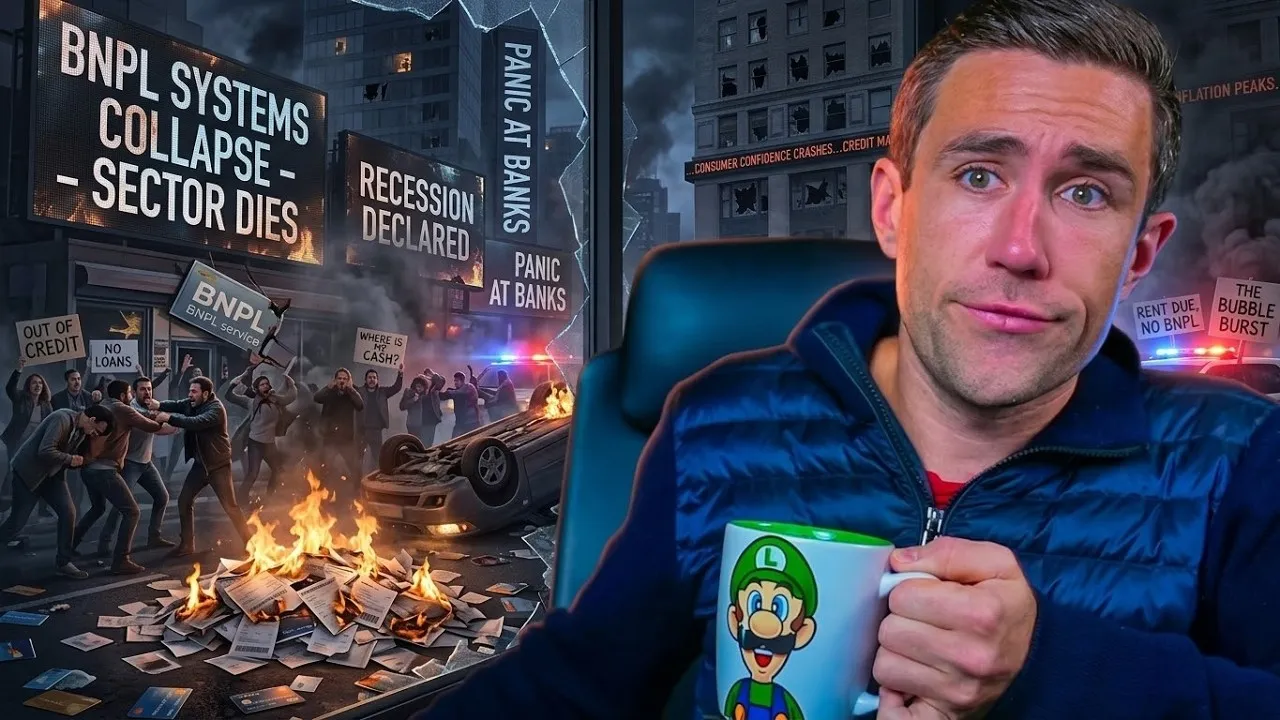
Private Credit Woes Threaten BNPL, Consumer Spending Amidst Geopolitical Tensions
New concerns are surfacing about the health of the consumer, driven by a dangerous mix of geopolitical instability and strains within the private credit market. This combination could significantly impact the availability of ‘buy now, pay later’ (BNPL) services, a popular payment option for many shoppers.
Private Credit Market Under Pressure
The private credit market, which involves lending outside of traditional banks, is facing significant challenges. Reports indicate a widespread investor exodus from these funds. For example, Stone Ridge Asset Management, which oversees about $31 billion, recently told clients it could only honor 11% of their withdrawal requests due to high demand. This suggests a serious liquidity crunch.
This pressure is not limited to corporate loans. Many private credit funds have been investing in consumer loans, including those offered by BNPL providers. A significant deal involving JP Morgan and the software company Qualtrix highlights these issues. JP Morgan halted a $5.3 billion debt sale for Qualtrix, indicating a lack of investor appetite for such debt, which is now trading at a substantial discount.
Impact on Buy Now, Pay Later (BNPL)
Companies like Afterpay (a firm) and Klarna (CLA), which are major players in the BNPL space, are feeling the pinch. Afterpay’s stock has fallen approximately 50% year-to-date, while Klarna, which went public in September, is down about 75.5% from its initial offering price. These declines reflect investor worries about their exposure to the struggling private credit market.
BNPL services often rely on lines of credit from private credit firms to fund their lending operations. If these private credit firms face funding shortages due to investor redemptions, they may reduce or cut off credit lines to BNPL providers. This could lead to a severe restriction or even a halt in the availability of BNPL services for consumers.
Geopolitical Tensions and Oil Prices
Adding to the economic unease, tensions in the Middle East, particularly concerning Iran, are driving up oil prices. UBS warns that if the Strait of Hormuz remains closed, oil prices could surge to $120 per barrel and potentially reach $150 by the end of April. Goldman Sachs considers $150 per barrel a level that could trigger a recession.
Historically, significant oil price shocks have often led to economic recessions in the U.S., as seen in past events from the 1970s to the early 1990s. While the conflict in Ukraine did not immediately cause a recession despite high inflation, the current situation presents a renewed risk.
Consumer Spending Under Threat
The combination of rising oil prices and potential restrictions on BNPL services creates a double threat to consumer spending. Higher gasoline prices directly reduce the amount of disposable income consumers have for other purchases. Simultaneously, a decrease in BNPL availability means consumers have less flexibility to finance their purchases, potentially leading to a slowdown in retail sales.
UBS notes that real, inflation-adjusted consumer incomes have been flat. This means people are not earning more in terms of purchasing power. With savings also declining in recent years, consumers are in a more vulnerable position. A decline in consumer spending could have significant ripple effects across the economy, impacting businesses and financial markets.
Market Impact and Investor Outlook
The banking sector is also showing signs of strain, with the Invesco KBW Bank ETF down about 15-16% from its February highs due to concerns about exposure to private credit. The situation highlights a broadening investor concern that extends beyond tech stocks potentially impacted by artificial intelligence.
While UBS believes oil prices may eventually fall back to $80 per barrel if supply routes reopen, the immediate future looks challenging. The S&P 500 is currently trading at a higher valuation than in previous periods of oil shocks, suggesting it could be more vulnerable to a downturn. The confluence of private credit stress and geopolitical-driven inflation presents a potentially recessionary environment, which is typically bearish for stock markets.
What Investors Should Know
Investors should monitor the developments in the private credit market closely, as a contraction here could directly impact the availability of consumer credit, including BNPL. The ongoing geopolitical situation and its effect on oil prices remain a significant wildcard for inflation and consumer spending. A sustained rise in oil prices, coupled with reduced access to credit, could significantly squeeze household budgets and lead to a broader economic slowdown.
Source: Buy Now, Pay Later may DIE | Consumer is F**K'd (YouTube)