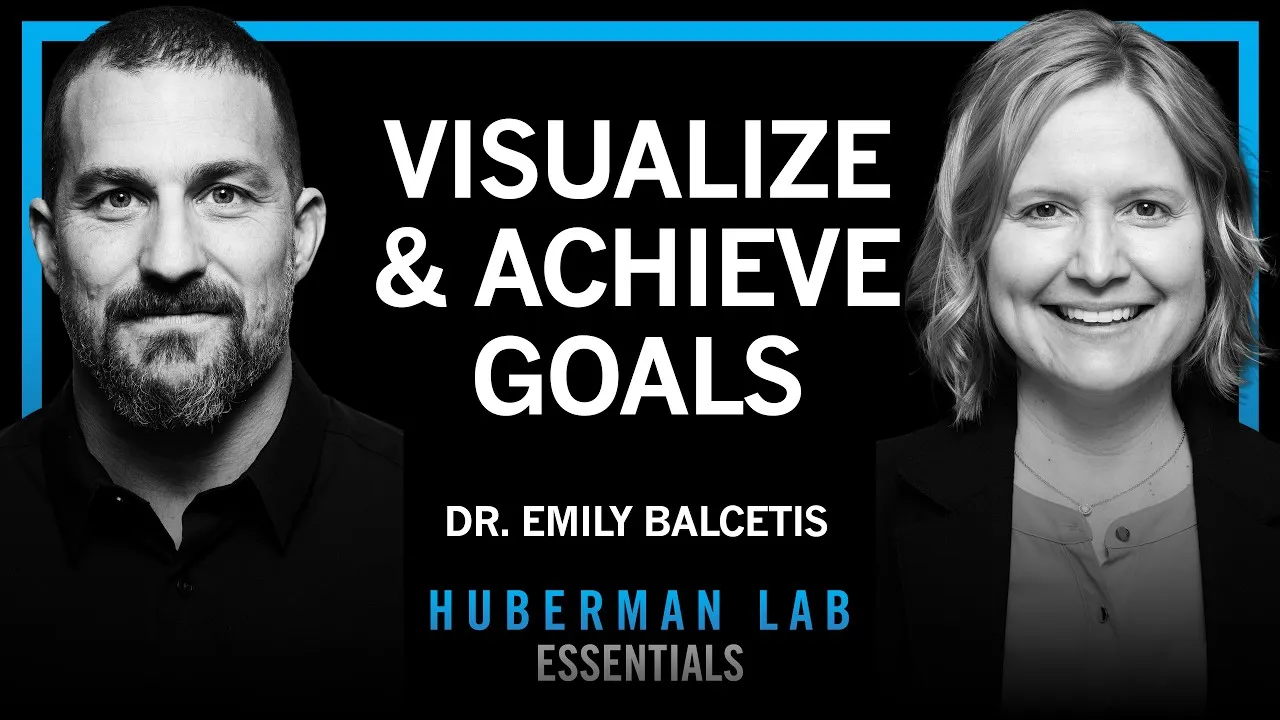
Focus Your Vision, Reach Your Goals Faster
Tired of setting goals only to fall short? New research suggests a simple yet powerful strategy borrowed from elite athletes: adjusting how you visually focus on your goals. By harnessing the power of narrowed attention, you can make challenging tasks feel easier, move faster, and experience less discomfort.
The Problem with Traditional Goal Setting
Many people rely on self-talk, reminders, or post-it notes to stay motivated. While these methods can be helpful initially, they often require significant effort and can lead to burnout. When goals become difficult, these strategies can fall short, leaving us feeling discouraged.
Dr. Emily Balcetis, a vision scientist, explored alternative methods that require less conscious effort and tap into our natural abilities. Her research focuses on how we can use our vision to overcome obstacles and make progress more efficiently.
Elite Athletes and the Power of the Spotlight
Dr. Balcetis initially studied elite runners, including Olympic medalists, to understand their success. She expected them to be highly aware of their surroundings, constantly scanning for competitors and obstacles. However, the athletes revealed a different strategy.
They described a hyper-focused attention, almost like a spotlight, directed at a specific target. For short races, this target might be the finish line. For longer distances, they focus on intermediate goals like a runner ahead or a landmark. This narrowed focus acts like blinders, helping them tune out distractions.
Applying the “Spotlight” Strategy to Everyday Goals
This finding led Dr. Balcetis to investigate if this visual strategy could benefit non-athletes. The results were significant. In one study, participants were asked to perform a moderately challenging exercise, like stepping with ankle weights.
Those trained to use a narrowed focus, imagining a spotlight on a target, moved 27% faster and reported the exercise felt 17% less painful than those who looked around naturally. This suggests that simply changing your visual focus can dramatically improve performance and reduce perceived effort, regardless of your fitness level.
How to Use the Spotlight Technique:
- Identify your target: Choose a specific point ahead related to your goal, like a signpost or a particular spot on the wall.
- Imagine a spotlight: Visualize a circle of light shining directly on your target.
- Tune out distractions: Pretend you have blinders on, ignoring everything in your peripheral vision.
- Focus and proceed: Keep your attention on the target until you reach it.
- Recalibrate: Once you reach your target, choose a new one and repeat the process.
The Pitfall of Vision Boards and Daydreaming
While visualizing success is common, Dr. Balcetis warns against passive daydreaming or creating vision boards without a concrete plan. Research by Dr. Gabrielle Oettingen found that vividly imagining achieving a goal can actually reduce motivation.
This is because the brain can interpret the visualization as a form of goal accomplishment. Studies have shown that people who frequently visualize success experience a decrease in systolic blood pressure, an indicator of the body’s readiness for action. Essentially, your body relaxes because it thinks the job is already done, leaving you with less physiological drive to start working.
A More Effective Approach to Goal Setting
Instead of just dreaming, Dr. Balcetis recommends a three-step process for effective goal setting:
- Define your vision: Clearly articulate what you want to achieve.
- Plan the journey: Break down your big goal into smaller, manageable steps. Focus on what you can accomplish in the short term, like the next two weeks.
- Anticipate obstacles: Think ahead about potential challenges and plan how you will overcome them. This proactive planning, like having a backup plan for a sinking boat, prevents panic and keeps you moving forward when difficulties arise.
Visual Perception and Physical State
Research also shows a connection between our physical state and how we perceive the world. Studies have found that individuals who are overweight, chronically fatigued, or older tend to perceive distances as further and hills as steeper.
Dr. Balcetis’s lab conducted an experiment where participants drank Kool-Aid sweetened with either sugar (providing energy) or a non-caloric sweetener. Those who received the sugar perceived distances as shorter and finish lines as closer. This suggests that having more physical energy can make the world, and our goals, seem more attainable.
The Downside of a Difficult Perception:
- When the world looks harder due to low energy or physical challenges, goals can seem insurmountable.
- This perception can create a psychological barrier, making individuals less likely to attempt tasks or view them as more difficult than they are.
Does the Spotlight Strategy Work for Everyone?
Yes, the visual spotlight strategy is effective for everyone, regardless of their current fitness level or physical state. It works by redirecting attentional resources, a process that benefits individuals whether they are just starting out or are already fit.
Beyond Physical Goals: Applying Visual Strategies to Cognitive Tasks
The principles of focused attention and obstacle planning are not limited to physical activities. Dr. Balcetis, who learned to play the drums while managing new parenthood, found these strategies helpful for cognitive goals.
By applying techniques like narrowed focus and anticipating challenges, individuals can improve their approach to learning new skills, advancing in their careers, or pursuing any other personal objective. The key is to shift from passive visualization to active planning and focused execution.
Key Health Takeaways
- Focus Your Vision: Use a “spotlight” technique by concentrating on a specific target related to your goal and ignoring distractions. This can make tasks feel easier and improve performance.
- Plan for Success: Don’t just dream about your goals. Break them down into manageable steps and proactively plan for potential obstacles.
- Avoid Passive Visualization: Vividly imagining achieving a goal without a plan can reduce motivation. Focus on the process, not just the outcome.
- Energy Matters: Your physical state influences your perception. When you have more energy, goals may seem more achievable.
- Universal Strategy: The focused vision technique works for everyone, regardless of fitness level or current challenges.
This article is based on a discussion with Dr. Emily Balcetis, a researcher in vision science and motivation. It is intended for informational purposes and does not constitute medical advice. Always consult with a qualified healthcare professional before making any decisions about your health or treatment.
Source: Essentials: Tools for Setting & Achieving Goals | Dr. Emily Balcetis (YouTube)