Dating Costs Nearly $400 in 2 Months: The ‘Single Tax’
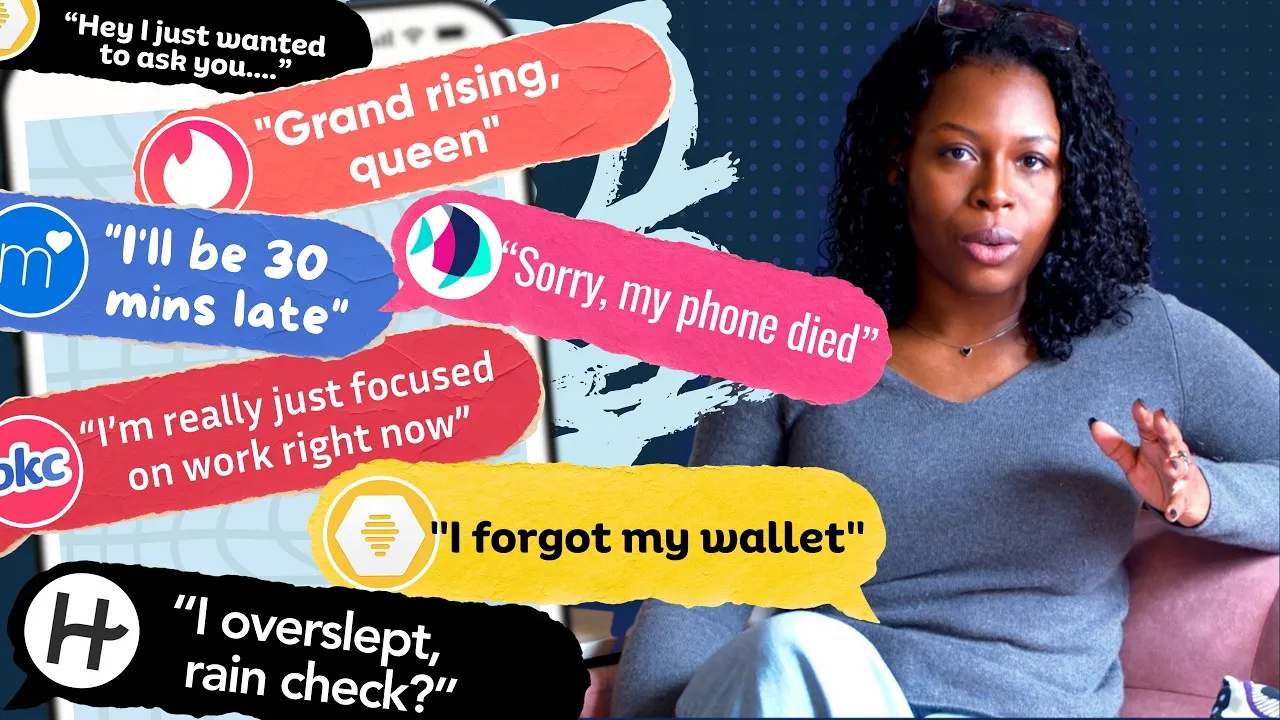
Going on dates can add up, and one woman’s experiment revealed just how much. Alexa Claire, TFD’s content and production manager, tracked her expenses during a two-month period where she went on 14 first dates. The total came to nearly $400, a cost she labels the ‘single tax’ – the financial and emotional toll of navigating the dating world alone.
The Dating Manager Experiment
Claire decided to outsource her love life, enlisting a friend to act as her ‘dating manager.’ This meant her friend handled everything from matching on apps like Hinge to managing early conversations and scheduling dates. Claire’s only job was to show up. This approach aimed to help her stop overthinking and ‘get out of her own head.’ To track the costs, she created specific categories in her budgeting app, covering everything from beauty products and outfits to transportation and the dating apps themselves.
Direct Costs Add Up
The most visible expenses included multiple dating app subscriptions. Claire subscribed to Hinge Premium (around $30/month), Bumble Premium (around $40/month), Raya (an exclusive app, around $50/month), and Her (a lesbian dating app, $15/month). She noted that dating apps are designed to monetize urgency and the fear of missing out, with features like visibility boosts and add-ons quickly increasing costs. The global online dating market was valued at $9.665 billion in 2022 and is expected to reach $17.28 billion by 2030, with 35% of users paying for premium features.
Beyond apps, beauty and presentation expenses were significant. Claire spent about $250 on items like concealer, setting spray, braids, edge control, and perfume. She explained that for her, these weren’t just vanity expenses but signals of taking dating seriously. This spending also touches on the ‘chill girl tax,’ where individuals spend money to match a perceived partner’s lifestyle or expectations, adding to the overall cost of performance.
Transportation was another major factor. While New York City has 24-hour public transit, Claire often opted for Ubers ($35-$50) for safety, especially late at night. This ‘safety tax’ is a cost that many women incur when dating men, a necessity that doesn’t typically factor into male daters’ budgets. Even when dates were covered by others, Claire sometimes bought a drink or coffee while waiting, adding small but consistent costs.
Hidden Costs and Emotional Toll
The ‘single tax’ extends beyond tangible expenses. Claire highlights the cumulative cognitive load: rereading text threads, crafting messages, and deciding on follow-ups. Users spend an average of 90 minutes daily on dating apps, contributing to burnout. This constant ‘scouting, interviewing, performing, evaluating, and being evaluated’ drains energy, which can lead to further spending on conveniences like Ubers or takeout.
Ghosting, while often seen as just an emotional event, also has financial implications. The time and money invested in grooming, outfits, and emotional energy for a date that never leads to a second can feel like a sunk cost with no one to share the financial burden. Furthermore, the pressure to not be ‘too picky’ can lead to more dates, thus increasing overall spending on apps, beauty, transportation, and emotional recovery.
The Gendered Nature of Dating Costs
Claire emphasizes that dating costs are often gendered. When dating men, she experienced an ‘unspoken performance undercurrent’ and an ‘invisible scoreboard’ regarding who initiates, pays, or seems more interested. This requires significant effort in presentation, safety planning, and emotional regulation. In contrast, when dating women, she found a higher baseline of trust and less ambient anxiety, with splitting costs being more common and less calculative.
Safety, in particular, becomes a significant budget category for women dating men. This includes choosing safer venues, taking ride-shares over public transit, staying alert, and sharing location details. A 2019 survey found that over a third of women reported sexual assault by someone met on a dating app, a risk that necessitates a ‘safety budget’ often overlooked in discussions about dating expenses.
A Redesigned Approach to Dating
After her experiment, Claire didn’t quit dating but decided to ‘redesign’ it. She now uses only one platform, avoids imaginary timelines, and has a ‘dating uniform’ to cut down on outfit purchases. She prioritizes daytime dates and uses public transit unless safety is a concern. She also stopped using premium app subscriptions and add-ons unless she has a specific, intentional reason. The goal is not to spend as little as possible but to set and respect financial and emotional limits.
The Dating Industry’s Business Model
Claire argues that the dating industry, particularly dating apps, is designed to profit from users’ loneliness. Match Group, a major player, faced a class-action lawsuit alleging that its platforms are designed with ‘game-like features’ to keep users paying indefinitely. The narrative that one might be ‘too picky’ serves as a revenue strategy, encouraging more dates and continued spending. The core business model relies on users remaining single and actively searching, making them both the product and the revenue stream.
Return on Investment (ROI)
Claire reflects on the return on investment (ROI) of her dating efforts. While she gained some clarity about herself and her wants, the ROI wasn’t as high as she expected given the input. Dating can have high input and low conversion financially, emotionally, and energetically. The ‘data’ gained from dates, while useful, comes at a cost. Recognizing these expenses – the apps, beauty, safety tax, time, emotional recovery, and the pressure to date more – shifts the perspective from personal failing to a structural issue.
By naming and tracking these costs, dating becomes less draining and more enjoyable. Claire found herself focusing more on how she felt on the date itself rather than solely on ticking boxes, a change that has benefited her ‘nervous system.’ The next episode will explore ‘relationship privilege,’ examining what partnered life subsidizes that often goes unacknowledged.
Source: I Went On 14 First Dates In 2 Months. Here's What It Cost Me. (YouTube)