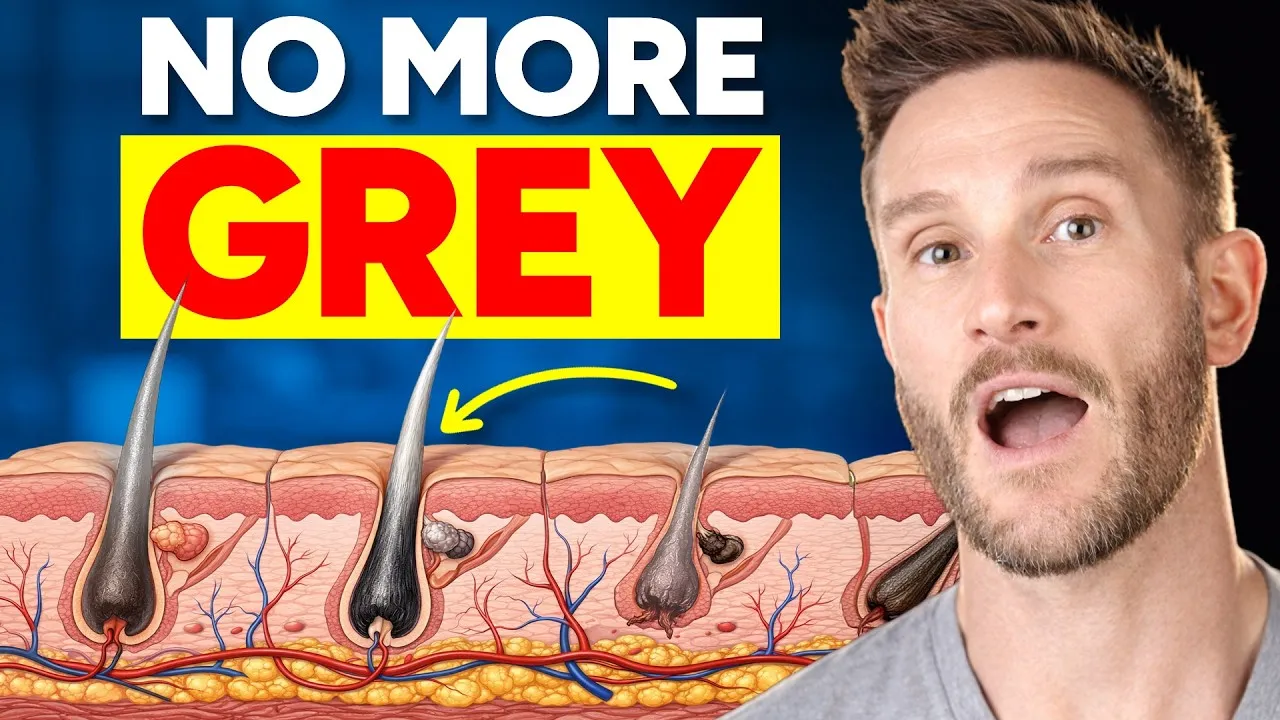
Reverse Hair Greying and Wrinkles by Boosting NAD+
Aging shows up in our hair and skin. Graying hair, thinning hair, and wrinkles are common signs of getting older. Many people accept these changes as just part of aging. However, new research suggests that certain compounds within our bodies can affect these aging signs. We can influence these compounds through diet, lifestyle choices, and sometimes supplements. The processes behind graying hair and wrinkling skin are more about our body’s metabolism than many realize. The good news is that research shows graying hair can potentially be reversed. This is linked to what’s happening with mitochondria, the energy-producing powerhouses within our cells, affecting both skin and hair.
Understanding Skin and Hair Aging
As we age, our skin doesn’t just look older; it becomes structurally weaker and its metabolic processes slow down. A key change is the flattening of the dermal-epidermal junction, the connection between the skin’s outer and deeper layers. This flattening makes skin more fragile and less efficient at receiving nutrients. Consequently, collagen and elastin production decreases, leading to less firm and less flexible skin, making it more prone to wrinkles. Skin also thins as the turnover of skin cells slows down. At the same time, pigment-producing cells become less active, causing uneven skin tone and age spots.
Hair follicles are also highly metabolically active and sensitive to energy levels. As we age, the activity of follicular stem cells decreases, pigment production drops, and the hair growth cycle changes. This leads to thinner hair, slower regrowth, and graying. Both skin and hair aging are not random but result from declining mitochondrial energy and the body’s reduced ability to regenerate.
The Role of NAD+
NAD+, or nicotinamide adenine dinucleotide, is a crucial molecule for energy production in our cells. It’s essential for many cellular processes, including DNA repair and supporting various longevity pathways. Think of NAD+ as a fundamental currency for our cells’ metabolism. Unfortunately, NAD+ levels naturally decline as we age. Chronic inflammation and metabolic dysfunction also cause NAD+ levels to drop quickly. This decline affects all cells but hits metabolically active tissues like skin and hair follicles the hardest. When NAD+ levels are low, these tissues lose energy, their DNA repair capacity weakens, and they struggle to control inflammation, leading to visible signs of aging.
NMN: A Precursor to NAD+
Nicotinamide mononucleotide (NMN) is a compound that plays a role in boosting NAD+ levels. NMN is upstream of NAD+, meaning it’s a direct precursor in the pathway that creates NAD+. While NMN itself isn’t the active molecule, it feeds into the system that produces NAD+. Supporting NAD+ production helps maintain the cellular environment needed for tissues like skin and hair to function properly.
Mitochondria, Inflammation, and DNA Repair
The deeper mechanisms of aging involve mitochondria, inflammation, and DNA repair. Mitochondria produce the energy needed for cellular repair, renewal, and protein synthesis. Studies show that mitochondrial function declines with age, leading to less energy production and increased oxidative stress—essentially, less energy for repair and more damage occurring. This creates a cycle that speeds up aging.
Chronic low-grade inflammation is a major driver of aging. Our skin and hair are constantly exposed to environmental factors like pollution and UV radiation, which cause damage. Both skin and hair follicles require significant DNA repair capacity, and NAD+ is essential for this. When NAD+ levels are low, DNA repair becomes less efficient, leading to more accumulated damage over time. Furthermore, low NAD+ can lead to cellular senescence, where damaged cells, often called ‘zombie cells,’ accumulate and promote chronic inflammation (SASP, or senescence-associated secretory phenotype). Restoring NAD+ levels can help reduce this inflammation.
Stem Cells and NAD+
Long-term skin and hair quality also depend on stem cells, which allow tissues to renew themselves. Stem cells in hair follicles control hair cycling and pigment, while epidermal stem cells in the skin maintain thickness and barrier function. Studies in aged mice have shown that restoring NAD+ levels improved mitochondrial function and increased stem cell activity and self-renewal, leading to better tissue maintenance. When NAD+ declines, stem cells can become exhausted faster, contributing to thinner, grayer hair and more fragile skin. Factors like high inflammation, poor sleep, and oxidative stress can also accelerate stem cell exhaustion.
Strategies to Increase NAD+ Levels
Increasing NAD+ levels can involve boosting its production or reducing how quickly it’s used. Lifestyle choices play a significant role.
Diet and Fasting
Fasting is a powerful signal for NAD+ production. When done correctly, fasting activates pathways that upregulate mitochondria, increase fat oxidation, and support NAD+ salvage pathways. It also lowers insulin and inflammation, and reduces the activity of PARPs, enzymes that consume NAD+. A balanced approach might include a 12-hour daily fast as a baseline, with 3-4 days a week of 18-20 hour fasts. Longer fasts can increase NAD+ but may also stress the body if done too often.
Exercise
Exercise can be even more powerful than fasting for NAD+ levels. It increases mitochondrial demand, which helps make more NAD+ available and improves mitochondrial health. Zone 2 cardio (45-90 minutes of endurance exercise) is beneficial for baseline mitochondrial function. High-intensity interval training (HIIT) can also be effective in short bursts (under 15 minutes) to signal stress and trigger mitochondrial changes without excessive NAD+ depletion.
Sunlight and Sleep
Morning sunlight exposure is important for regulating circadian rhythms, which influence NAD+ production. Consistent sleep and wake times are crucial. NAD+ production naturally follows a daily rhythm, and disruptions to this rhythm can suppress NAD+ production at the gene level. Aiming for sleep before 10 p.m. and avoiding late-night eating helps maintain this rhythm.
Reducing NAD+ Consumption
Reducing inflammation is key to slowing NAD+ depletion. Chronic inflammation, often fueled by processed foods, alcohol, psychological stress, and poor sleep, activates NAD+-consuming enzymes like PARPs. Limiting alcohol intake, managing stress, ensuring adequate sleep, and avoiding constant eating (grazing) can help lower inflammation.
Dietary Precursors and Supplements
While NAD+ precursors like tryptophan and niacin (vitamin B3) are found in foods, they may not be enough to reverse age-related decline. NMN is a direct precursor that can be supplemented. While NMN itself isn’t abundant in many foods, supplementing can support NAD+ levels. Combining NMN supplementation with the lifestyle interventions mentioned above can maximize its effectiveness by reducing the ‘metabolic leaks’ that deplete NAD+.
Key Health Takeaways
- Aging signs like gray hair and wrinkles are linked to declining NAD+ levels and reduced mitochondrial function.
- NAD+ is vital for cellular energy, DNA repair, and controlling inflammation, especially in skin and hair cells.
- Nicotinamide mononucleotide (NMN) is a precursor that can help boost NAD+ levels.
- Lifestyle factors like balanced fasting, regular exercise (Zone 2 cardio and short HIIT), consistent sleep, and morning sunlight exposure can increase NAD+ production and efficiency.
- Reducing inflammation from sources like processed foods, alcohol, and stress is crucial to slow NAD+ depletion.
- Combining NMN supplementation with these healthy lifestyle habits can yield the best results for skin and hair health.
Disclaimer: This article is for informational purposes only and does not constitute medical advice. Always consult with a qualified healthcare professional before making any decisions related to your health or treatment.
Source: This Compound Stops Greying Hair (and reduces wrinkles) (YouTube)