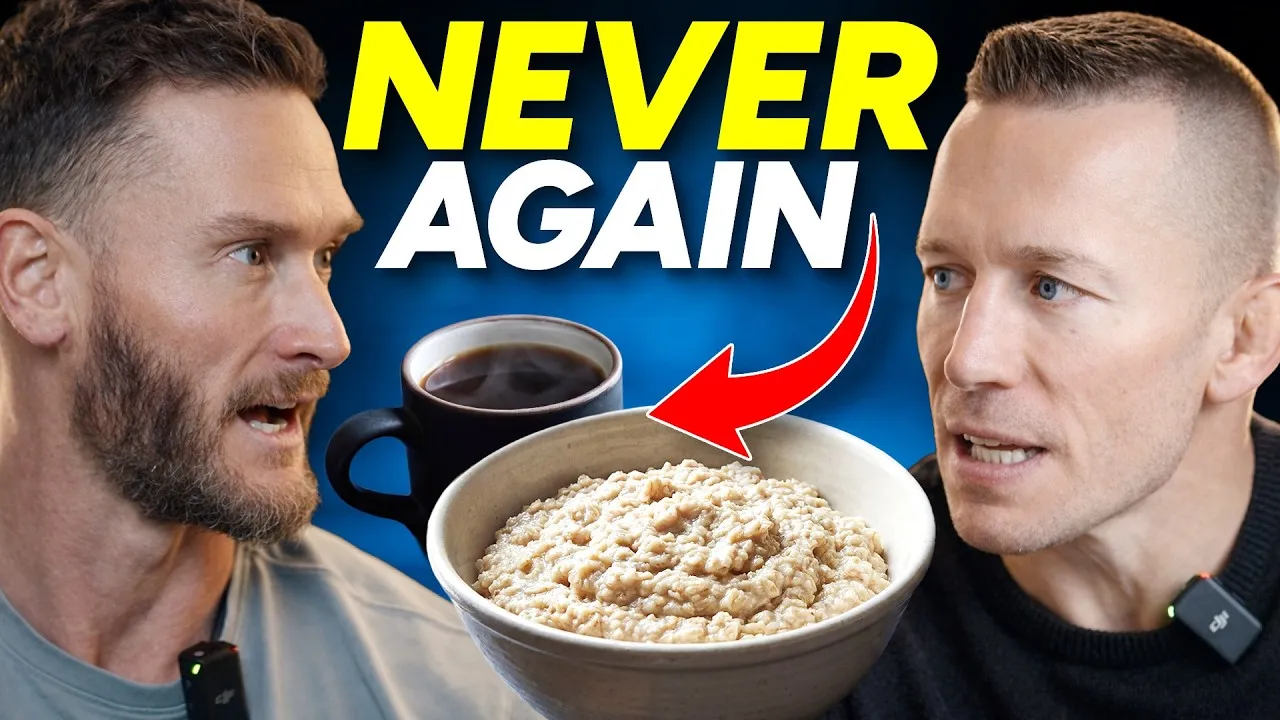
Former Champion Rethinks Key Health Habits
Long-time fans of mixed martial arts may know Georges St-Pierre as a dominant force in the sport. But even elite athletes evolve their thinking about health and fitness. St-Pierre, often called GSP, has changed his views on several popular practices, including ice baths, traditional cardio, and even when to eat.
Ice Baths: From Recovery Tool to Mental Boost
For years, St-Pierre used ice baths right after training, believing they were crucial for recovery. He now sees it differently. While ice baths can help lower inflammation, he explains that for athletes focused on building muscle, intense cold therapy immediately after a workout might actually hinder gains.
Instead, St-Pierre now uses ice baths for a different reason: to shock his system and build mental toughness. He practices this ritual only twice a week, ensuring his body doesn’t get too used to the cold. He describes the initial shock as deeply uncomfortable, especially when stepping out of a warm bed on a cold morning. However, he finds that the experience releases dopamine, leaving him feeling good and therapeutic afterward.
This approach highlights a shift from using ice baths purely for physical recovery to leveraging them for mental resilience. The idea is that by not letting the cold become easy, the uncomfortable feeling remains potent, offering a stronger mental benefit.
Rethinking Cardio for Athletes
St-Pierre also questions the traditional emphasis on long-duration cardio for combat athletes. He believes that for sports like his, efficiency is far more important than raw cardiovascular endurance. He prefers intense sprints over long runs, not to improve his ‘cardio’ in the traditional sense, but for the benefits of pushing his body to its limit in short bursts.
He argues that while being in good shape is essential, spending excessive time on conditioning at the expense of skill work offers a poor return on investment, especially at the elite level. St-Pierre suggests that most top athletes already have excellent cardiovascular capacity. Further gains might not translate directly to better performance in their sport.
He points to Japan’s national judo team as an example, noting many elite athletes focus almost exclusively on their sport’s techniques rather than extensive conditioning. For St-Pierre, conditioning is now less about boosting performance and more about maintaining his body for long-term health and longevity. He likens it to car maintenance: regular service keeps the car running well for longer.
The Power of Efficiency and Skill
St-Pierre’s philosophy emphasizes efficiency in movement and technique. He believes that an athlete who is more efficient can outlast a stronger or faster opponent by tiring them out sooner. This principle applies across many sports, not just combat.
He shares an anecdote about his jiu-jitsu instructor, who, despite being older and perhaps less conventionally ‘fit,’ could easily handle him in training. This was due to superior skill and knowledge, not brute strength or speed. This experience reinforced his belief that mastering the intricacies of a sport is paramount.
Nutrition: When vs. What You Eat
When it comes to diet, St-Pierre has also adjusted his perspective. He now believes that for general performance, the timing of your meals might be more crucial than the specific food choices. However, he notes a critical exception: during weight cutting or fasting, the quality of what you eat becomes paramount.
He explains that while he could perform well even after skipping a meal, if he were in a state of depletion, needing to rehydrate for a fight, then the specific nutrients he consumed would be vital. This highlights the importance of context in nutritional advice.
Fasting for Healing and Recovery
Looking back, St-Pierre wishes he had embraced fasting earlier, particularly for its potential to aid recovery and reduce inflammation. He believes a three-day fast could be beneficial after surgery or injury to help the body heal more effectively.
Weight Cutting: A Safer Approach
His approach to weight cutting has also evolved. In the past, he would restrict carbohydrates and salt leading up to a fight. Now, he questions the necessity of cutting salt, suggesting that proper hydration might achieve similar results without the added stress on the body.
He expresses concern about extreme weight cutting, noting that severe dehydration can negatively impact the brain and increase the risk of injury, like concussions. He prioritizes his long-term health over making a specific weight class.
Supplementation: No Magic Pills
St-Pierre remains skeptical of the idea that supplements are a ‘magic pill’ for performance enhancement. While he acknowledges that certain supplements can help fill nutritional gaps, he stresses that they cannot replace consistent training, a healthy diet, and discipline.
He mentions his own company, which offers supplements derived from animal organs like liver and heart. He sees these as beneficial for addressing specific deficiencies but not as performance boosters that create a ‘superman’ effect. He contrasts this with performance-enhancing drugs, which he notes can have severe negative consequences on mental and physical health.
He does find value in supplements like creatine, which he used in his last fight to help gain weight. He notes it can offer cognitive benefits and is generally safe when not used for extreme weight cutting. However, he reiterates that even beneficial supplements are ineffective without a solid foundation of healthy habits.
Key Health Takeaways
- Ice Baths for Mind, Not Just Muscle: Use ice baths strategically, perhaps twice a week, to build mental resilience rather than solely relying on them for post-workout recovery, especially if muscle growth is a goal.
- Prioritize Efficiency in Training: For many sports, focus on skill, technique, and efficient movement. Intense, short bursts of activity may be more beneficial than long, steady-state cardio.
- Listen to Your Body’s Needs: Understand why you are training or dieting. Nutritional timing might be less critical for performance than the quality of food when you are cutting weight or fasting.
- Fasting for Recovery: Consider incorporating intermittent fasting or longer fasts (like three days) to aid in recovery and reduce inflammation, especially after injury or surgery.
- Supplement Wisely: View supplements as tools to fill gaps, not as performance enhancers. Focus on a solid foundation of diet and exercise.
- Hydration Over Extreme Cuts: Be cautious with drastic weight cutting methods. Prioritize health and proper hydration over making a specific weight class.
Disclaimer: This article is for informational purposes only and does not constitute medical advice. Always consult with a qualified healthcare professional before making any decisions about your health or treatment.
Source: Why George St-Pierre Changed his Mind on Breakfast, Cardio and Fasting (YouTube)