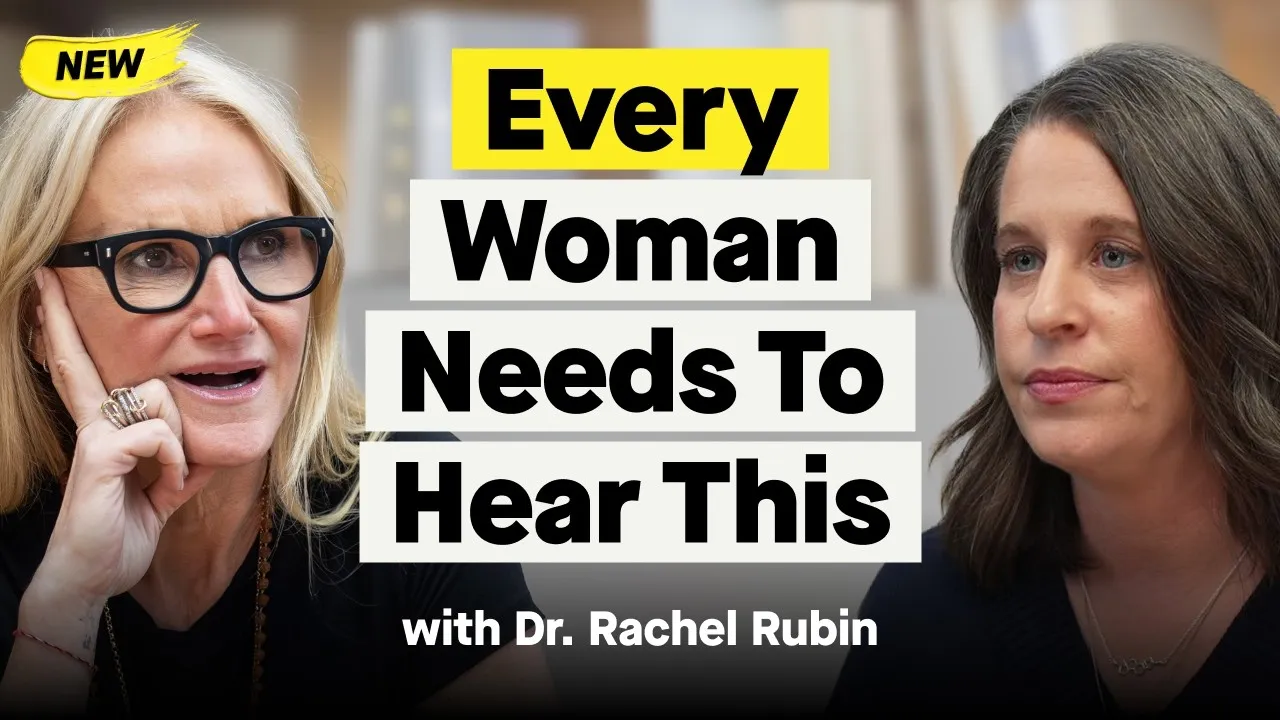
Vaginal Hormones Prevent UTIs, Boost Sexual Health
Many women experience urinary tract infections (UTIs), vaginal dryness, and pain during sex. These issues, often dismissed as simply part of aging or stress, can have a significant impact on quality of life. However, a growing body of research and expert opinion highlights that these common problems are frequently linked to hormonal changes and can be effectively treated with vaginal hormone therapy.
Understanding Hormonal Changes and Their Impact
Hormones like estrogen, progesterone, and testosterone play a crucial role in a woman’s health throughout her life, from puberty to menopause and beyond. Dr. Rachel Rubin, a board-certified urologist and expert in sexual health, explains that fluctuations in these hormones can affect genital and urinary health in women of all ages.
During puberty, a surge in hormones causes significant changes in a girl’s body, including her genital development. Similarly, during pregnancy, estrogen levels can rise dramatically, only to crash to near zero after childbirth. This hormonal drop can lead to symptoms similar to menopause, including brain fog, disrupted sleep, and vaginal issues.
Breastfeeding can also keep hormone levels low, sometimes resulting in menopausal symptoms. For many women, testosterone levels begin to drop around age 35, which can lead to decreased libido, increased UTIs, and pain during sex. These changes are often grouped under the umbrella term “perimenopause.”
Menopause itself is characterized by a significant decrease in hormone production, leading to the “genitourinary syndrome of menopause” (GSM). This syndrome can manifest as vaginal dryness, irritation, painful sex, and an increased susceptibility to UTIs.
The Link Between Hormones and UTIs
A particularly concerning issue is the link between hormonal changes and UTIs. Dr. Rubin emphasizes that hormonal fluctuations can alter the delicate microbiome of the vagina and bladder, making women more prone to infections. This can happen not only during perimenopause and menopause but also for women taking birth control pills, those who are breastfeeding, or even those on certain hormone therapies for breast cancer.
“Any kind of hormone fluctuation that happens in your body will affect your genital and urinary health,” Dr. Rubin states. She points out that the common advice to treat UTIs solely with antibiotics overlooks the underlying hormonal cause. While antibiotics treat the infection, they don’t address the root issue, leading to recurrent infections.
Vaginal Hormone Therapy: A Powerful Solution
Fortunately, a highly effective and safe treatment exists: vaginal hormone therapy. This involves using low doses of hormones, typically estrogen or DHEA, directly in the vagina. This approach can significantly improve the health of vaginal and bladder tissues.
“Using vaginal hormones prevent urinary tract infections by more than half,” Dr. Rubin explains. She highlights that this therapy helps restore the vagina’s natural acidity, which is crucial for fighting off harmful bacteria. It also addresses dryness, thinning of tissues, and irritation, which can make sex painful and affect bladder function.
The benefits extend beyond preventing UTIs. Vaginal hormones can help with urinary frequency, urgency, and leakage by making the entire pelvic environment less irritated. This is because the hormonal support helps the bladder function more optimally.
Addressing Misconceptions and Historical Barriers
Despite the long-standing evidence for vaginal hormone therapy, its use has been hampered by historical stigma and a lack of education among healthcare providers. For decades, words like “vagina” and “estrogen” were considered taboo, leading to a reluctance to discuss or prescribe these treatments.
Furthermore, incorrect and alarming warning labels on vaginal hormone products, suggesting risks of stroke, blood clots, and heart attacks, deterred many women and their doctors from using them. Dr. Rubin was part of a decades-long advocacy effort that successfully led to the FDA removing these misleading box warnings in 2025. This change is considered a major step forward in making these vital treatments accessible.
Who Can Benefit?
The crucial takeaway is that vaginal hormone therapy is not just for post-menopausal women. Women of all ages experiencing symptoms related to hormonal changes can benefit. This includes:
- Teenagers and women in their 20s on birth control pills.
- Women who are breastfeeding.
- Women experiencing perimenopausal symptoms, often starting in their 30s and 40s.
- Women going through menopause.
- Women on certain hormone therapies for breast cancer.
Dr. Rubin stresses that even women undergoing systemic hormone replacement therapy (like patches or pills) may still need vaginal hormone therapy to fully address local symptoms.
Taking Control of Your Health
The information presented by Dr. Rubin is a call to action for women to advocate for their own health. Many symptoms previously accepted as unavoidable parts of life are treatable. It is essential for women to seek out knowledgeable healthcare providers who are up-to-date on the latest research and treatment options.
“When you give women information about how their bodies work, they make excellent health care decisions for themselves,” Dr. Rubin asserts. By understanding the role of hormones and the available treatments, women can significantly improve their sexual health, reduce the frequency of UTIs, and enhance their overall well-being.
Key Health Takeaways
- Hormonal changes, not just aging or sexual activity, are a common cause of UTIs, vaginal dryness, and painful sex in women of all ages.
- Vaginal hormone therapy (using low-dose estrogen or DHEA) is a safe and highly effective treatment for these issues.
- This therapy can prevent UTIs by more than half, improve vaginal and bladder health, and alleviate pain during sex.
- Benefits extend to women using birth control, breastfeeding, experiencing perimenopause, or going through menopause.
- Misleading warning labels on vaginal hormone products have been removed by the FDA, making them more accessible.
- Women should feel empowered to discuss these symptoms with their doctors and seek knowledgeable providers.
Disclaimer: This article is for informational purposes only and does not constitute medical advice. Always consult with a qualified healthcare provider for any health concerns or before making any decisions related to your health or treatment.
Source: The Ultimate Guide to Women’s Sexual Health, Hormone Replacement Therapy (HRT) & Menopause (YouTube)