How to Enhance Teacher Evaluations Using AI to Make Educators Feel Seen
Teacher evaluations can be stressful. Educators often worry about being judged during classroom observations. But what if technology could help make this process more supportive and meaningful? This guide shows you how to use AI to enhance teacher evaluations, focusing on making educators feel truly seen and valued. You’ll learn how to combine AI’s capabilities with essential human interaction to create a more positive and effective evaluation experience.
What You Will Learn
- How to use AI to capture detailed observations during teacher evaluations.
- A method for using AI to highlight educators’ strengths, especially in meeting student needs.
- The importance of a “human AI human” approach to feedback.
- How this method can help teachers feel more understood and appreciated.
Prerequisites
- Access to a recording device or software that can transcribe spoken words.
- Basic familiarity with AI tools that can process and summarize text or audio.
- A willingness to experiment with new technology in the evaluation process.
Steps to Enhance Teacher Evaluations with AI
Step 1: Prepare for the Observation
Before entering the classroom, understand that observations can make teachers feel anxious. Your goal is to shift this perception by focusing on support and recognition. Think about how you can best capture the nuances of a lesson. This preparation sets the stage for a more positive interaction.
Step 2: Conduct the Classroom Observation
During the observation, focus on what the teacher is doing well. Pay close attention to how they connect with students and address individual learning needs. Take notes on specific actions and strategies that stand out. Remember, the aim is to gather detailed information that will be useful later.
Step 3: Use AI to Document and Highlight Strengths
After the observation, use an AI tool to record your notes. Speak clearly and describe everything you saw, especially the positive aspects of the lesson. Mention specific examples of the teacher supporting students’ individual needs. The AI will help turn your spoken words into written text. This creates a detailed record of the teacher’s performance.
Expert Tip: Be thorough in your descriptions. The more detail you provide to the AI, the richer the feedback will be. Focus on actionable items and specific teaching practices you observed.
Step 4: Let AI Summarize and Organize Feedback
Allow the AI to process your spoken notes. The tool can help organize your observations into specific categories or standards. This step turns raw notes into structured feedback. It ensures that all the great things you saw are captured systematically.
Step 5: Review Feedback with the Educator (Human AI Human Approach)
Now comes the crucial human element. Sit down with the teacher to review the AI-generated feedback together. Start by sharing the positive aspects that the AI has highlighted. This is where the magic happens. When a teacher hears their efforts acknowledged in detail, they can feel truly seen.
During this review, encourage the teacher to share their thoughts. Ask if the AI’s summary accurately reflects their lesson and their intentions. This collaborative review process allows for adjustments and ensures the teacher’s voice is central. You are modeling a “human AI human” interaction: your observation, the AI’s processing, and then your human discussion.
Warning: Do not let the AI replace the conversation. The technology is a tool to enhance understanding, not to replace genuine human connection and dialogue.
Step 6: Refine and Discuss Together
As you go through the feedback, discuss any aspects that could be improved or clarified. If the AI has interpreted something in a way that doesn’t quite fit, work with the teacher to adjust it. This is a partnership. You are both looking at the information and deciding how best to represent the teaching practice. This collaborative refinement makes the evaluation a shared process.
Step 7: Foster a Sense of Being Valued
The ultimate goal is for the teacher to leave the evaluation feeling understood and valued. When educators feel seen, their motivation and engagement increase significantly. This approach transforms evaluations from a mere compliance task into a meaningful professional development opportunity. It strengthens the human connection within the school.
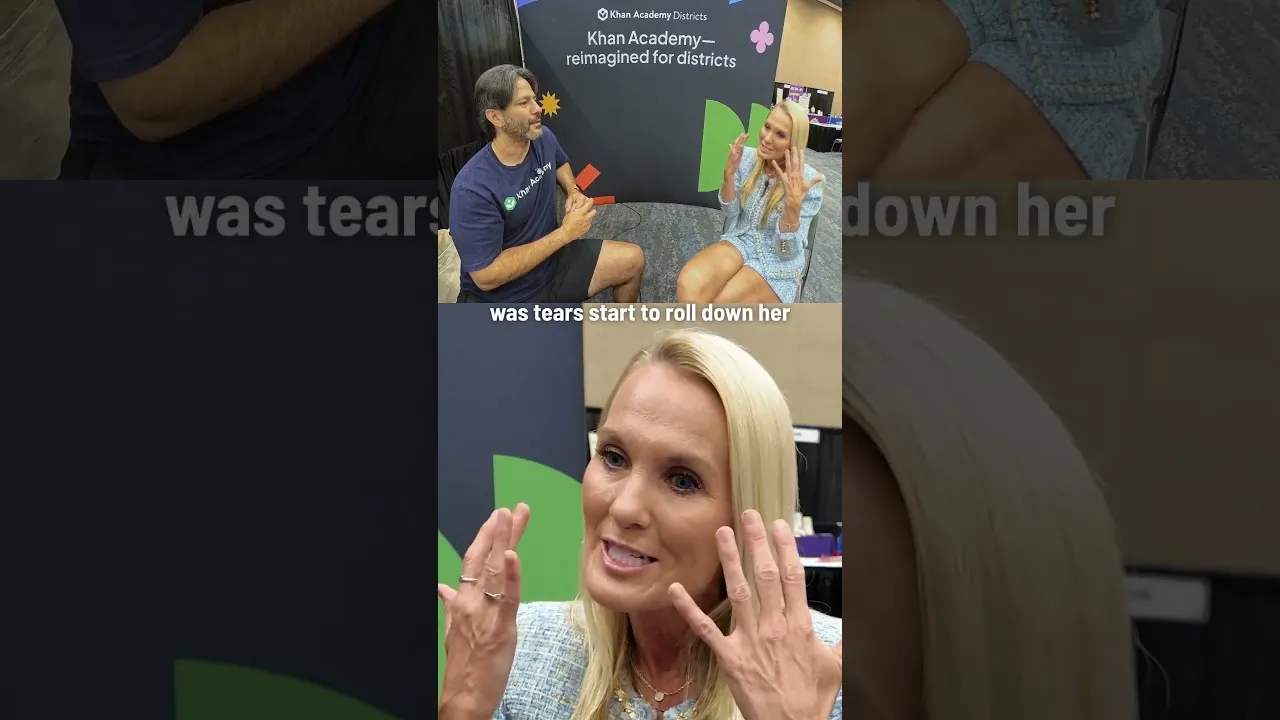
Example: Imagine a teacher who worked hard to adapt a lesson for a student with a specific learning disability. By using AI to capture and then discuss these specific adaptations, the teacher feels recognized for their effort and skill. This can be incredibly powerful, leading to tears of appreciation, as one superintendent found.
Conclusion
By thoughtfully integrating AI into the teacher evaluation process, you can move beyond traditional methods. This approach amplifies educators’ voices and highlights their dedication. It fosters a deeper sense of connection and recognition, making everyone feel more seen and valued.
Source: Can AI Enhance the Human Connection in Teacher Evaluations? (YouTube)