Yoga for a Heavy Heart: Find Comfort and Calm
When your heart feels heavy, finding a moment of peace can seem impossible. Yoga, however, offers a gentle path toward emotional relief and self-compassion. This practice focuses on simple movements and breathwork designed to support you through difficult times, helping you connect with your body and find a sense of calm.
Starting Your Practice: A Gentle Seat
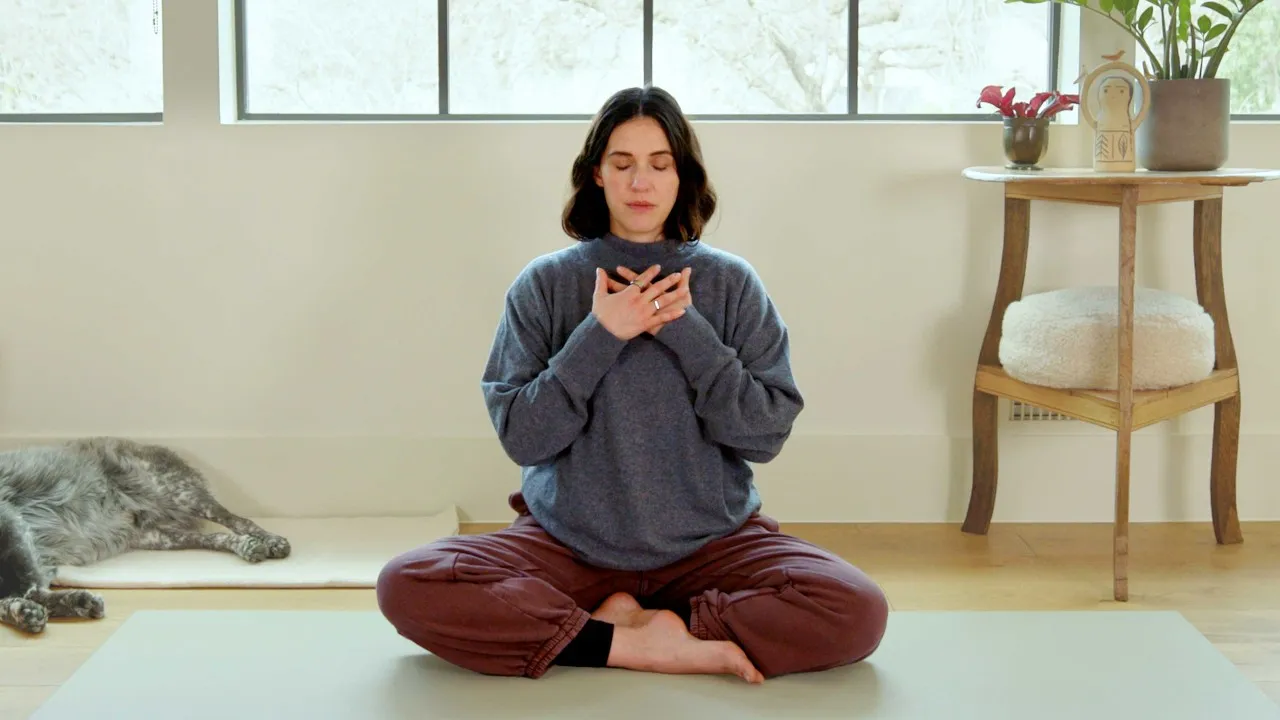
Begin by finding a comfortable seated position. You can sit on the floor using a blanket or cushions for support, or adapt the practice for a chair. The goal is to sit tall through your spine, creating space for your breath. Once seated, gently close your eyes or soften your gaze. This practice is designed to hold you, offering a safe space to simply be with your feelings.
Connecting with Your Breath
The first step is to bring your awareness to your breath. Don’t try to change it or force it into a specific pattern. Just notice the natural rhythm of your inhales and exhales. As you pay attention, you might find your breath naturally begins to slow and deepen. Allow this change to happen; your breath is responding to your intention to find ease.
The Power of Gentle Touch
Place your left hand on your heart center and your right hand over your left. Feel the warmth of your hands as they rest on your chest. This gentle touch can be a powerful way to connect with your heart space. Allow your shoulders to relax and the skin of your face to soften. This simple gesture is an act of self-kindness.
To deepen the connection, take three slow, deep breaths. Inhale deeply through your nose, pause for a moment at the top, and then exhale slowly through your nose or mouth. Repeat this cycle, allowing each breath to bring a sense of calm and release. As you continue to breathe, gently draw your chin towards your chest, bowing your head to your heart space. Take a quiet moment here to simply listen to your body and your breath. You don’t need to fix anything; just be present with whatever emotions or sensations arise.
Gentle Neck and Shoulder Movements
Carve a line with your nose forward and then slowly lift your gaze towards the ceiling, extending your neck without crunching. This gentle opening through the throat can release tension. Then, slowly drop your chin back down. You can move your head in a rhythm that feels right for your body, nodding “yes” while keeping your shoulders relaxed. If you notice your upper back hunching, engage the muscles of your front and back body to help you sit tall.
Next, bring your right ear towards your right shoulder, breathing into the stretch. You can part your lips and allow your jaw to relax. Return to center and repeat on the left side. If at any point you feel the need to place your hands back on your heart, do so. Listen to your body’s cues.
Extend your right arm out to the side, imagining it as an extension of your heart space. Move it gently forward and back, creating soft, easy movements. Feel the energy moving through your arm and out through your fingertips. Repeat with the left arm. This movement helps to open the chest and create a sense of expansion.
To release shoulder tension, inhale and squeeze your shoulders up towards your ears. Then, exhale and let them relax down. Repeat this twice more, feeling the release with each exhale.
Embracing Yourself with Hugs
Bring your arms out wide, inhale to expand your chest, and then exhale as if you were hugging a tree. Repeat this open-and-hug motion. Then, cross your right arm over your left and give yourself a hug. Feel the comfort and warmth of this self-hug. Stay here for a few breaths, perhaps swaying gently. Then, switch sides, crossing your left arm over your right. This self-hug is a powerful way to offer yourself comfort and compassion.
Supported Poses for Deeper Release
Transition to your hands and knees. Widen your knees as much as the mat, with big toes touching. Inhale to drop your belly, open your chest, and look forward. Exhale to send your hips back, rounding your spine into an extended Child’s Pose. If you’re in a chair, you can place your palms on your knees or thighs and round your spine.
Repeat this gentle cat-cow movement with your breath. When you are in Child’s Pose, close your eyes and allow your breath to be smooth and steady. Let your heart feel heavy, releasing any burden it carries. This pose offers a sense of grounding and surrender.
From Child’s Pose, come back to all fours, then swing your legs to one side and extend them in front of you for Staff Pose (Dandasana). Sit up tall, flexing your feet towards your face. You can bend your knees slightly if needed. Inhale to lift your heart, and exhale to fold forward, reaching your arms forward. Let your hands rest wherever they comfortably reach—thighs, shins, or ankles. Allow your heart to be heavy here, releasing a sigh if it feels good. This seated forward fold, Paschimottanasana, encourages release and surrender.
Rest and Integration
Gently roll up to a seated position. Then, come onto one side into a fetal position, resting your head on your bottom arm. Take a few loving breaths here, staying present with whatever you are feeling. This is a moment to deeply tend to yourself.
From the fetal position, move onto your back. Hug your knees into your chest, giving your low back some gentle love. You can rock side to side or make circles with your knees. This gentle movement helps to release tension in the lower back.
Finally, release your feet to the ground. Place your left hand on your heart and your right hand on your belly. Allow your knees to fall together, feet wider apart if it helps you relax your pelvis. Close your eyes and feel the warmth of your hands. Take three deep, full breaths, filling your torso with air. On each exhale, sigh it out, releasing any remaining tension. Inhale deeply, and exhale completely, knowing that you are not alone in this.
Key Health Takeaways
- Prioritize Breath: Focus on slow, steady breaths to calm the nervous system and reduce feelings of stress.
- Embrace Gentle Touch: Placing hands on your heart and belly can create a sense of comfort and self-connection.
- Move with Intention: Gentle movements, especially in the neck and shoulders, can release physical tension that often accompanies emotional distress.
- Practice Self-Compassion: Self-hugging and mindful presence in poses like Child’s Pose and seated forward folds encourage kindness towards yourself.
- Listen to Your Body: Adapt poses and movements as needed, always honoring your body’s signals and limitations.
This practice is intended to offer comfort and support. It is not a substitute for professional medical or mental health advice. If you are experiencing significant emotional distress, please consult with a qualified healthcare provider.
Source: Yoga for Heavy Hearts (YouTube)