Climate Crisis Triggers Home Insurance Collapse
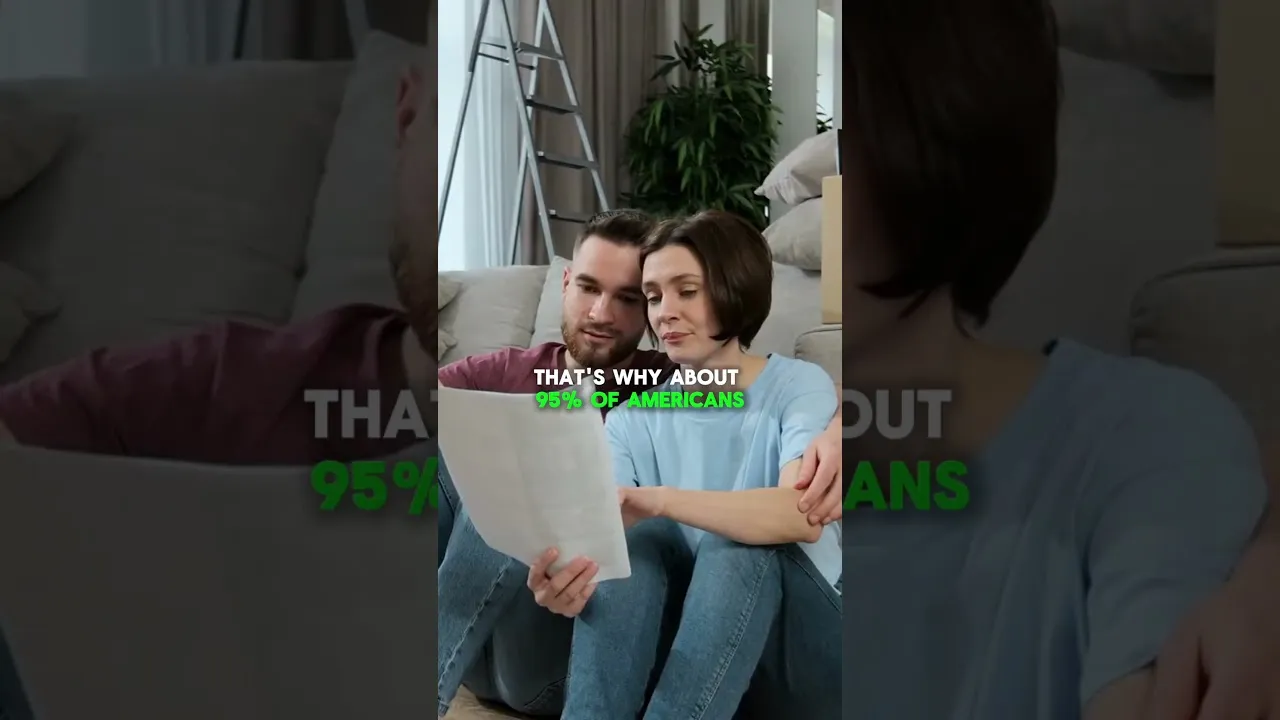
Homebuyers are facing a growing crisis as the cost of insurance skyrockets and coverage becomes harder to find. This trend, fueled by increasingly frequent and severe weather events, is threatening the stability of the housing market and raising questions about future homeownership. Nearly all Americans have already experienced rising insurance costs, with approximately 95% seeing their premiums increase.
The problem is becoming so severe that in some regions, obtaining homeowners insurance is not just expensive, it’s nearly impossible. This situation is directly linked to a changing climate. Insurance companies are grappling with more claims and greater financial risks. As these risks grow, so do insurance premiums, and companies begin to limit the coverage they offer.
This isn’t just an inconvenience for homeowners; it’s a fundamental barrier to buying a home. Banks typically require homeowners insurance before approving a mortgage. Without it, a home purchase cannot be completed. This means that the insurance issue could easily snowball into a much larger problem for the entire housing market.
This developing situation is being referred to by some as the “climate insurance collapse.” It is no longer a distant possibility but a present reality impacting the ability of future generations to purchase homes. The core question emerging is: as destructive weather continues to occur more often, who will ultimately bear the cost of the damage?
Market Impact: What Investors Should Know
The escalating cost and reduced availability of homeowners insurance represent a significant challenge with broad market implications. For investors, understanding this trend is crucial, especially those with exposure to real estate, insurance, and related financial sectors.
- Housing Market Vulnerability: The direct link between mortgage approval and insurability means that a lack of affordable insurance can freeze real estate markets. This could lead to decreased home sales, falling property values in high-risk areas, and increased defaults on existing mortgages. Investors in homebuilders, mortgage lenders, and real estate investment trusts (REITs) should monitor these risks.
- Insurance Sector Strain: Insurance companies are facing unprecedented payouts due to climate-related disasters. While some companies may be able to absorb these costs, others, particularly those heavily concentrated in high-risk zones, could face solvency issues. This might lead to further consolidation in the industry or increased calls for regulatory intervention. Investors in the insurance sector need to assess companies’ risk exposure and financial resilience.
- Economic Ripple Effects: A widespread inability to insure homes can have cascading economic effects. It can stifle new construction, reduce consumer spending as households divert more funds to insurance, and potentially lead to government bailouts or disaster relief programs, which can strain public finances.
Understanding the Terms
- Premiums: This is the amount of money you pay regularly to an insurance company for coverage. Think of it like a subscription fee for protection against financial loss.
- Mortgage: A large loan taken out to buy a house. The bank or lender provides the money, and you pay it back over many years, usually with interest.
- Insurability: This refers to whether a property or person is considered acceptable by an insurance company to receive coverage. If a home is in a very high-risk area, it might be deemed uninsurable.
Long-Term Implications
The climate insurance collapse points to a fundamental shift in risk assessment for residential properties. As weather patterns become more extreme, the traditional models used by insurers may no longer be adequate. This could force a re-evaluation of where and how homes are built, potentially leading to stricter building codes or discouraging development in vulnerable areas altogether.
For homeowners, the long-term outlook may involve higher costs or the need to adapt homes to be more resilient to natural disasters. The dream of homeownership could become more challenging, particularly for first-time buyers and those in areas prone to floods, wildfires, or hurricanes. This trend could exacerbate wealth inequality, as those who can afford higher insurance or fortify their homes remain protected, while others are priced out or face increasing risk.
The question of who pays for escalating climate-related damages remains a critical debate. Potential solutions could involve a combination of government intervention, private sector innovation in risk management, and greater investment in climate adaptation and mitigation strategies. Without proactive measures, the stability of the housing market and the accessibility of homeownership are at significant risk.
Source: What Happens If Homes Become Uninsurable? (YouTube)