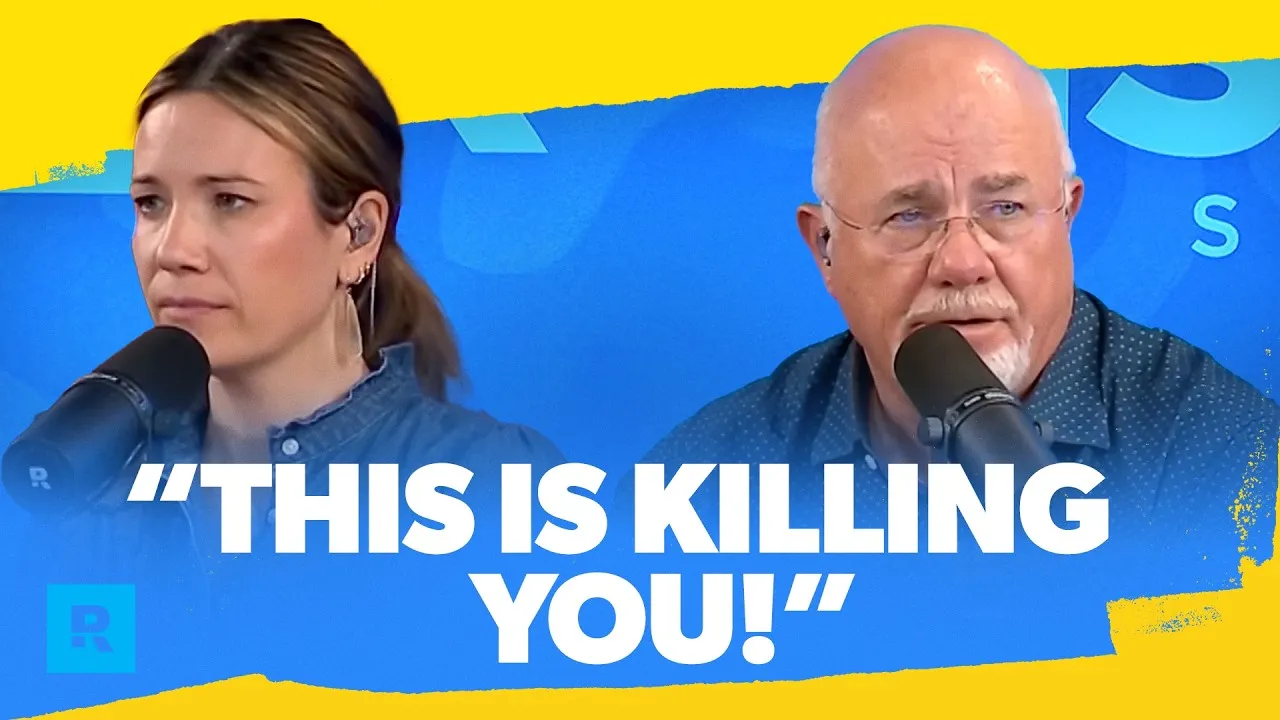
Couple Drowning in $1300 Car Payment, $54K Camper Debt
A young couple, married for just one year, is facing a severe financial crisis driven by a $1,300 monthly car payment and a $54,000 camper loan. The situation highlights the dangers of taking on large debts for depreciating assets, especially when income doesn’t align with the expenses.
The couple’s primary concern is a truck with a payment of $1,300 per month. “Every time it pulls, I want to cry,” one spouse admitted. They owe approximately $56,000 on the truck, which they purchased two years ago. The truck’s private sale value is only around $34,000, leaving them significantly upside down on the loan – meaning they owe more than the vehicle is worth.
Adding to their financial woes, the couple also has a $54,000 loan on a camper. They recently bought this camper after purchasing a house from the husband’s father. Their plan was to live in the camper while renovating the inherited house. However, they owe the full $54,000 on the camper, which they also recently purchased, and it is reportedly worth about the same amount.
Understanding the Debt
The truck loan carries a concerning interest rate of around 17%. Experts explained that the stated balance of $56,000 might not be the true payoff amount due to the nature of subprime loans. These loans can sometimes list the total of all remaining payments, including significant interest, rather than the actual amount needed to clear the debt today. The estimated payoff, considering the interest, could be closer to $45,000, meaning they are roughly $10,000 to $11,000 underwater on the truck.
The household brings in $5,600 per month after taxes. They have managed to save $1,000 and recently used a $3,000 bonus to pay off credit card debt. However, they have minimal tax refunds coming, totaling about $1,100.
The Camper Conundrum
Their decision to buy a $54,000 camper to live in while renovating a house is particularly criticized. The camper, like the truck, is a depreciating asset, meaning its value decreases over time. Buying such an expensive item with significant financing, only to sell it later at a loss, adds to their financial burden. The advice given was clear: the camper is a luxury they cannot afford in their current financial state.
The renovation of the inherited house is a potential bright spot, especially since the father is covering most of the renovation costs. However, the couple has not yet put any money into the house, as it is not yet in their name. They were advised not to invest time or money into the property until the ownership is legally transferred to them.
A Path Forward: Selling Everything
The overwhelming recommendation for the couple is to sell both the truck and the camper immediately. “If I woke up in your shoes, I would sell everything in sight and I would clean up this mess,” one advisor stated. This would involve paying off the difference between the sale price and the loan balance for both vehicles. The advisor suggested that this process could take up to a year, during which they would need to live in a small apartment and focus intensely on debt repayment.
The proposed plan involves selling all assets with wheels and motors that are financed and depreciating. This includes the truck and the camper. The goal is to become debt-free from these large, high-interest loans. After selling these assets, they would need to rent a modest apartment. The focus would then shift to aggressive debt repayment and saving.
The long-term implication of keeping these vehicles is stark. They could end up with two depreciating assets still costing them tens of thousands of dollars in debt in five years, while still living in a camper. This is described as “not a good long-term life plan.”
“If you want to be poor, here’s the formula: buy a lot of stuff that has wheels and motors on payments. Boats, Sea-Doos, four-wheelers, motorcycles, cars, trucks, trucks, trucks, lawnmowers. Buy a lot of stuff with motors and wheels and put payments on it and you will be poor.”
Market Impact
This situation illustrates a broader market trend where consumers, particularly younger ones, are taking on significant debt for vehicles and recreational items. High interest rates on auto loans, especially for those with less-than-perfect credit, exacerbate these problems. The rapid depreciation of vehicles means that many buyers quickly find themselves owing more than their car is worth, a phenomenon known as being “upside down” on a loan. The advice to sell these assets, while painful, is a necessary step to regain financial stability.
What Investors Should Know
For investors, this case study highlights the risks associated with consumer debt and the importance of financial literacy. The desire for immediate gratification often leads individuals to finance depreciating assets, creating a drag on personal finances. Companies offering subprime auto loans or financing for recreational vehicles may see higher default rates if economic conditions worsen or if borrowers are unable to manage their payments. Understanding the true cost of financing, including interest rates and depreciation, is crucial for consumers to avoid financial pitfalls.
The situation underscores the value of budgeting tools and financial planning. Apps like Every Dollar are designed to help individuals track their spending, create realistic budgets, and prioritize debt repayment. By understanding their income and expenses, consumers can make more informed decisions about purchases and avoid accumulating debt that hinders their long-term financial goals.
The couple’s journey, while difficult, shows that a clear plan and drastic action can help correct severe financial mistakes. Selling assets to eliminate debt, even at a loss, is often the fastest way to get back on solid ground. The focus must shift from acquiring depreciating assets to building wealth through savings and investments.
This article is based on a financial advice session discussing a specific couple’s situation. The figures and circumstances are presented to illustrate financial principles.
Source: "This Is A Good Way To Become Poor" (YouTube)