Pregnancy Diet Shapes Baby’s Long-Term Health
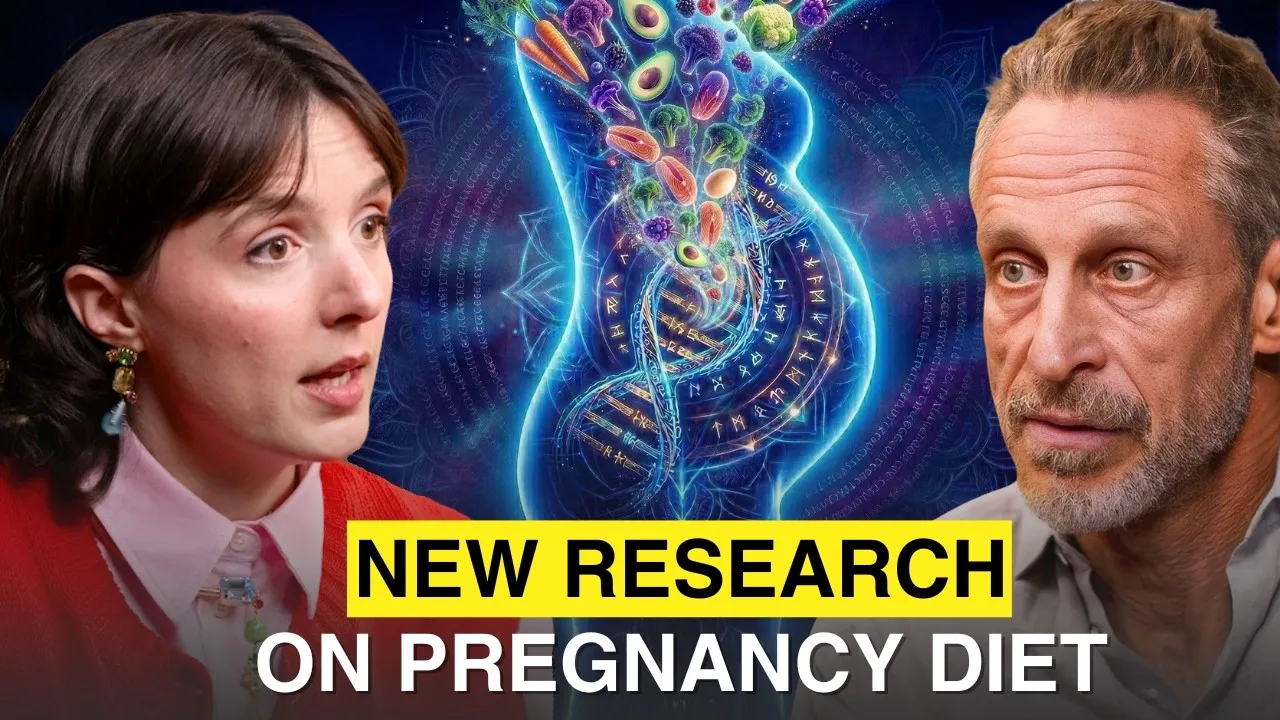
What you eat during pregnancy has a profound impact on your baby’s future health, influencing everything from their metabolism to brain development. This critical nine-month period is more than just a time for growth; it’s when your diet helps shape your child’s genetic expression, setting the stage for their well-being throughout life. French biochemist and author Jessie Inchauspé, known globally as the “Glucose Goddess,” emphasizes that the womb is not merely an incubator, but a dynamic environment where a mother’s food choices co-create her baby’s genetic plan.
Beyond the “Bun in the Oven”
Inchauspé challenges the common notion of pregnancy as a passive state, often simplified as a “bun in the oven.” Instead, she uses the analogy of a seed and soil: the baby is the seed, and the mother’s body, influenced by her diet, is the soil. A nutrient-rich environment, like fertile soil, supports stronger, healthier development. Conversely, a diet lacking in essential nutrients is akin to planting that seed in gravel, hindering optimal growth.
A crucial misunderstanding involves the placenta. Far from being a perfect filter that only allows good nutrients through, the placenta allows many substances from the mother’s bloodstream to reach the baby. This means that high levels of glucose in the mother’s blood, for example, can lead to higher glucose levels in the baby. This can cause the baby’s body to store more fat and potentially trigger inflammation, predisposing them to future health issues.
Epigenetics: How Diet Rewrites Genetic Code
While a baby’s DNA is set at conception, the way these genes are expressed – which ones are turned on and which are silenced – is influenced by diet through a process called epigenetics. Inchauspé explains that the food a pregnant mother eats sends a “postcard” to her baby, signaling the environment they will be born into. This epigenetic programming can affect long-term health risks.
For instance, research indicates that a mother’s low protein intake during pregnancy can epigenetically program her baby to have lower muscle mass. Since muscle is considered an organ of longevity, this can have lasting implications. Similarly, high glucose levels during pregnancy have been linked to epigenetic changes that activate fat storage genes in the baby, increasing their vulnerability to weight gain and metabolic disorders later in life. Studies on animals have shown that even if the offspring eat the same diet from birth, those exposed to high sugar in the womb tend to have more body fat.
The Critical Role of Choline
One nutrient highlighted for its vital role in brain development is choline. Inchauspé points out that a staggering 90% of pregnant women consume less than the minimum recommended amount of choline. This nutrient is essential for building brain cells and the neurotransmitters that allow these cells to communicate. Foods rich in choline include eggs (especially the yolk), liver, chicken, salmon, and beef.
The consequences of choline deficiency during pregnancy can be severe. Animal studies show deeply affected brain development in offspring when the mother’s choline levels are low, leading to fewer neurons and earlier cessation of brain development. While human studies cannot ethically replicate such drastic depletion, research on supplementation is compelling. Clinical trials have shown that babies born to mothers who received higher amounts of choline during pregnancy exhibited faster reaction times in infancy, a measure linked to adult IQ. Another study indicated that at three years old, children of mothers supplemented with choline performed better on questionnaires related to temperament and behavioral issues, suggesting a link to adult mental health.
The American Association of Pediatrics has warned that failing to provide adequate choline during this critical period can lead to irreparable brain damage, even if choline intake improves later in life. Despite this, information about choline’s importance is not widely communicated to expectant mothers.
Managing Blood Sugar for Two
The epidemic of diabetes and obesity is a major concern, and Inchauspé stresses that this can be programmed in utero. She advocates for managing blood sugar levels, a concept central to her “Glucose Goddess” platform. This involves understanding the glycemic load of meals – how a meal affects blood sugar over time.
Simple strategies can make a difference. For example, starting the day with a protein-rich breakfast instead of sugary options like muffins, bagels, or sweetened cereals can help prevent blood sugar spikes and subsequent cravings. The World Health Organization (WHO) recommends a maximum of 25 grams of added sugar per day, yet a recent U.S. survey indicated that most pregnant women consume around 80 grams daily. Reducing this intake significantly can offer protective benefits.
Historical data from the UK during World War II provides striking evidence. A government-imposed sugar ration cut daily intake by half for pregnant women. Studies on babies born during this period revealed a 15% lower lifetime risk of diabetes compared to those born just after the rationing ended. This suggests that even moderate reductions in sugar intake can have a substantial protective effect.
Broader Health Implications
Beyond diabetes and obesity, Inchauspé discusses the link between high maternal glucose levels and neurodevelopmental issues. High glucose can lead to inflammation in the brain, potentially overactivating microglia, the brain’s immune cells. This overactivation might cause these cells to prune neurons inappropriately during development. Research shows an association between gestational diabetes and a higher likelihood of a child developing autism. While not a direct cause-and-effect, the increased risk (around 25% higher in babies of mothers with gestational diabetes) highlights the importance of maintaining healthy blood sugar levels.
Actionable Steps for Expectant Mothers
The information Inchauspé shares is empowering, not meant to induce guilt. She acknowledges the challenges of pregnancy, including nausea and cravings, which often lead to increased sugar consumption. However, she offers practical advice:
- Prioritize Protein at Breakfast: Start your day with protein to help stabilize blood sugar and reduce cravings.
- Limit Added Sugars: Aim to stay below the WHO’s recommendation of 25 grams of added sugar per day. Be mindful of hidden sugars in seemingly healthy options like juices and “protein” smoothies.
- Focus on Choline-Rich Foods: Incorporate eggs, liver (if tolerated), fish, and other animal products into your diet. If you are vegan or vegetarian, discuss choline supplementation with your doctor.
- Understand Meal Composition: Including protein and healthy fats alongside carbohydrates can slow sugar absorption and mitigate blood sugar spikes.
The key takeaway is that dietary choices during pregnancy are powerful tools for shaping a child’s lifelong health trajectory. By understanding the science behind epigenetics, blood sugar management, and essential nutrients like choline, expectant mothers can make informed decisions to support their baby’s optimal development and well-being.
Disclaimer: This article is for informational purposes only and does not constitute medical advice. Always consult with your healthcare provider or a qualified health professional for any questions you may have regarding a medical condition or before making any decisions related to your health or treatment.
Source: Your Baby's Metabolism is Being Decided Right Now | Jessie Inchauspé (YouTube)