Collagen’s Hidden Power: More Than Just Skin Deep
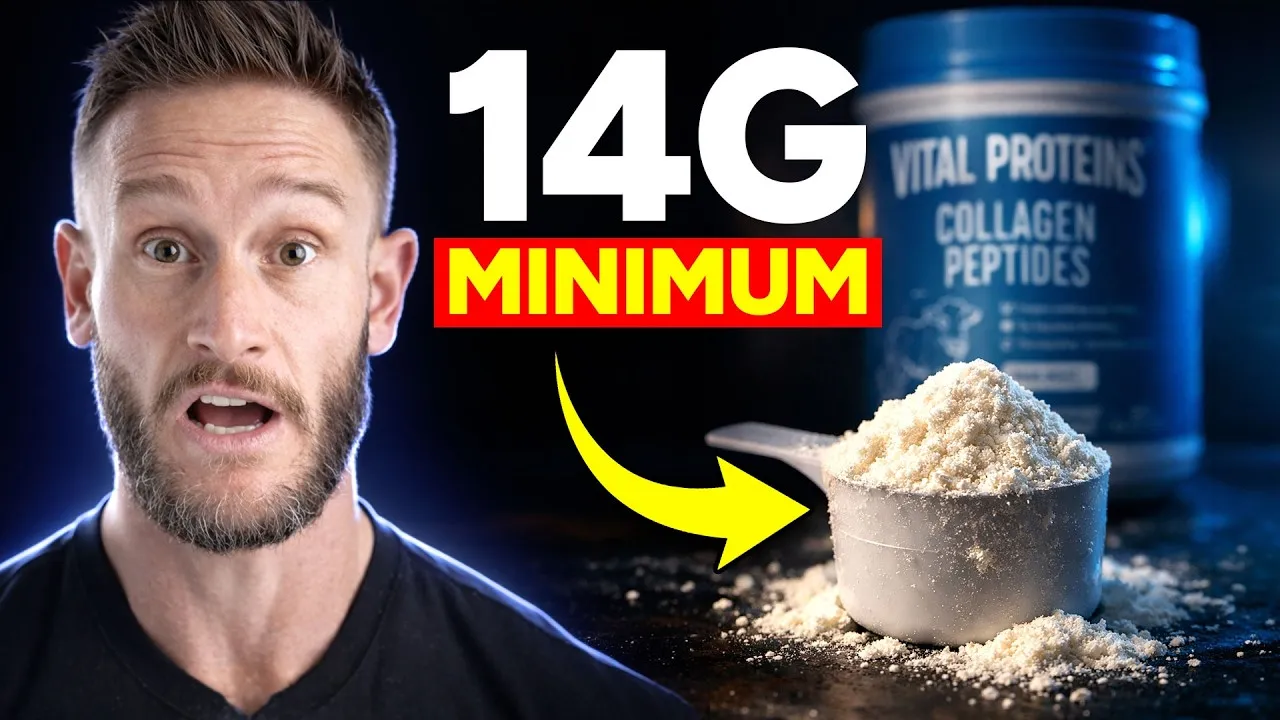
Collagen, often seen as a supplement for skin and joints, may offer surprising benefits for your metabolism, especially when taken at higher doses. Research suggests that exceeding 14 grams of collagen per day can shift its role from a simple supplement to a powerful metabolic signaling agent. This is particularly relevant for managing insulin resistance, a condition affecting a large portion of the population.
Understanding Insulin Resistance: A Structural Challenge
Many people struggle with energy crashes, post-meal fogginess, or high A1C levels, even with regular exercise and healthy eating. These can be signs of insulin resistance. While often thought of as a hormonal issue, insulin resistance can also be a structural problem. This means the environment around your cells becomes resistant to insulin’s signals, making it hard for your body to manage blood sugar effectively.
The Science Behind High-Dose Collagen
A compelling muscle biopsy study highlighted how collagen, taken at 15 grams daily, impacts muscle tissue. This dose transforms collagen’s function, enhancing how your muscle cells respond to insulin. Specifically, it boosts AKT phosphorylation, a key step in the insulin signaling pathway. This improved signaling helps muscle cells become more responsive to insulin and better at taking up glucose.
Collagen as a Signaling Molecule
When you digest collagen, it breaks down into amino acids and small peptides. These act as signaling molecules in the body. Glycine, an amino acid abundant in collagen, plays a crucial role. At higher doses, glycine converts to serine, which helps create phosphatidylserine. Phosphatidylserine stabilizes insulin receptors on cell membranes, allowing for clearer, more efficient insulin signaling. Think of it like having a clear conversation instead of needing to shout to be heard.
Beyond Receptor Signaling: Mitochondrial Health
Collagen also contains dipeptides that activate AMPK and PGC1A. These are vital regulators of mitochondrial function and metabolic flexibility. Activating these pathways helps your muscles burn fat more effectively, build new mitochondria, and respond better to insulin. In essence, collagen acts like a molecular amplifier, enhancing the positive effects of your training.
Collagen Works Best With Training
It’s important to note that the signaling improvements seen in studies occurred when collagen was taken after resistance training. This suggests a synergistic effect: training opens the door for metabolic adaptations, and collagen helps fuel those changes. It doesn’t replace exercise but supports the body’s response to it.
Improving the Extracellular Environment
Beyond the cell, collagen also impacts the environment around it. A study involving adults aged 47-87 found that 5 grams of fish-derived collagen daily for 12 weeks significantly reduced advanced glycation end products (AGEs) and improved insulin resistance. AGEs are harmful compounds that stiffen tissues and interfere with nutrient delivery. By reducing AGEs, collagen helps soften the metabolic landscape, reducing physical resistance to insulin’s action.
Two-Pronged Approach to Insulin Resistance
Collagen appears to tackle insulin resistance from two key angles: inside the cell by improving signaling machinery and outside the cell by enhancing the structural environment. This dual action helps insulin communicate more effectively, lowering resistance rather than just boosting insulin levels.
Optimizing Your Collagen Intake
To mirror the conditions of the muscle biopsy study, aim for 15 grams of hydrolyzed collagen peptides immediately after resistance training. This dose supports the signaling and structural environment your metabolism relies on, complementing your protein intake and training efforts.
Flexible Timing for Collagen Benefits
If taking collagen immediately post-workout isn’t feasible, two other windows can still provide significant benefits:
- With your first meal after training: Even if it’s an hour or two later, your body can still benefit from the signaling pathways activated by exercise.
- In the evening: Especially on training days, evening dosing offers a bonus. Collagen is rich in glycine, which studies show can improve sleep quality, reduce fatigue, and enhance mental clarity. This can support both metabolic health and recovery.
Consistency in reaching the 15-gram dose is key to providing the structural support your metabolism needs.
Key Health Takeaways
- Taking 15 grams or more of collagen daily may offer significant metabolic benefits beyond skin and joint health.
- Higher doses of collagen can act as a metabolic signaling supplement, particularly helping with insulin resistance.
- Collagen peptides can improve how muscle cells respond to insulin by enhancing signaling pathways and receptor stability.
- Collagen may improve the body’s environment by reducing harmful AGEs, which stiffen tissues and impede insulin function.
- For optimal metabolic benefits, consume 15 grams of collagen peptides after resistance training.
- If post-workout timing isn’t possible, taking collagen with your first meal or in the evening can still be effective.
- Evening collagen intake may also improve sleep quality due to its glycine content.
Disclaimer
This article is for informational purposes only and does not constitute medical advice. Always consult with a qualified healthcare professional before making any decisions about your health or treatment, especially if you have pre-existing medical conditions or are taking medications. Individual results may vary.
Source: The Surprising Effect of Collagen ABOVE 14g per day (YouTube)