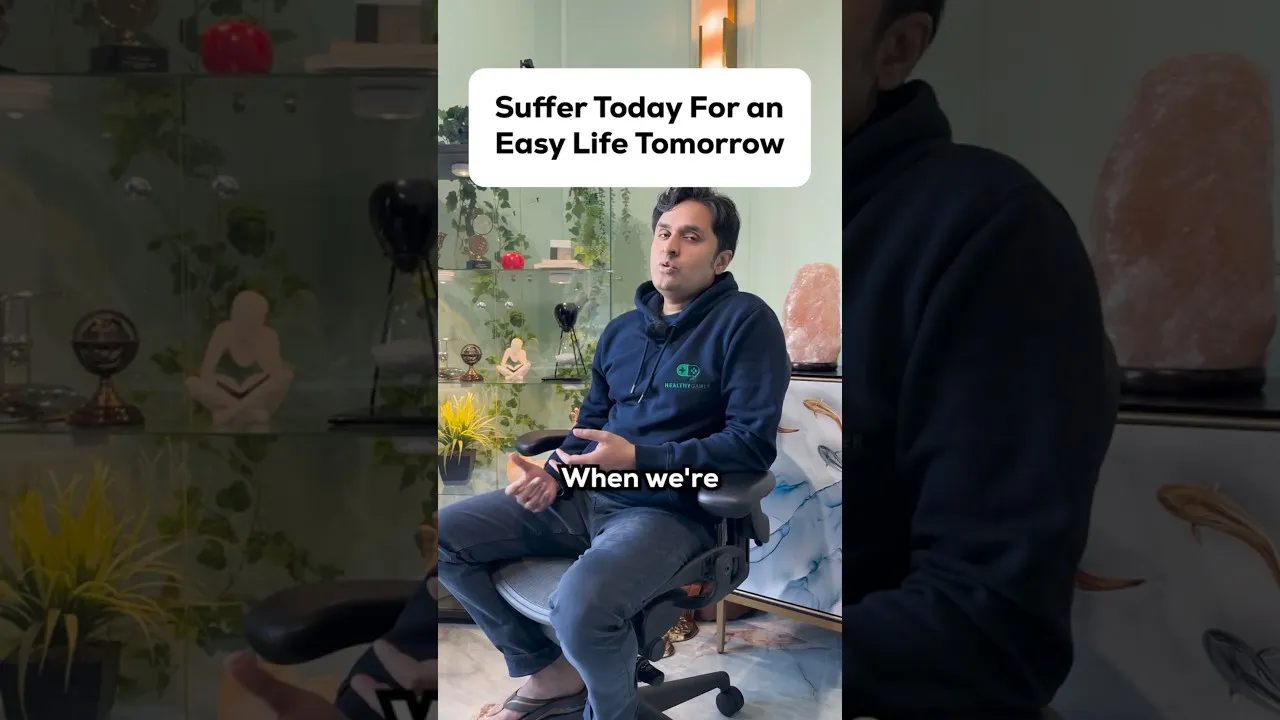
Embrace Hardship Now for a Simpler Future
Making choices that feel easy in the moment can actually lead to a much harder life later on. The key to a more fulfilling and less stressful future often lies in embracing discomfort and effort today. This principle applies to learning new skills, improving your health, and managing daily life.
The ‘Easy Day, Hard Life’ Principle
Think about learning something new, like playing a musical instrument or a new sport. When you’re first starting, it’s often challenging and can even feel unpleasant. The more out of practice you are, the more difficult the initial steps will be. This is the core idea: an ‘easy day’ today, which means avoiding effort or discomfort, often leads to a ‘hard life’ tomorrow.
Conversely, facing a ‘hard day’ now—by putting in the work, tolerating some difficulty, or pushing through discomfort—can create an ‘easy life’ down the road. This is a concept that parents often try to teach their children, and it holds true for adults as well.
Why We Avoid Discomfort
Our brains naturally prefer the path of least resistance. It feels good to take the easy way out. For example, staying up late might feel relaxing in the moment, but it can lead to fatigue, poor concentration, and a rough morning the next day. Similarly, choosing unhealthy snacks over nutritious meals provides instant gratification but can result in long-term health problems.
This tendency to choose immediate ease over future well-being is a common human experience. It’s about avoiding a small amount of temporary suffering now, only to face a much larger amount of suffering later. This pattern can apply to various aspects of life, from personal finance to physical fitness.
The Pain of Progress
When you decide to get in shape, going to the gym for the first time after a long break is rarely enjoyable. Your muscles might ache, you might feel winded quickly, and the effort can be significant. This initial discomfort is a sign that your body is adapting and getting stronger. The more deconditioned you are, the more painful the process of getting fit will feel.
The same applies to learning and personal growth. Tolerating uncertainty when trying something new is essential, but it’s not always comfortable. You might feel unsure, make mistakes, or face setbacks. These experiences are part of the learning curve. If you feel stuck or that things aren’t improving, it might be because you haven’t pushed through the initial difficult phase long enough.
Pushing Through to the Other Side
The crucial message is to not retreat from this discomfort. Instead, understand that it’s a necessary step. Persistence is key. When you’re in the thick of a challenging task or a difficult habit change, it’s easy to want to give up. However, pushing through this phase is what leads to lasting improvement and a more comfortable future.
Consider the long-term benefits. The temporary struggle of learning a new skill can lead to career advancement or a fulfilling hobby. The discomfort of a healthy diet and exercise routine can result in better health, more energy, and a longer life. The effort you invest now directly impacts the ease and quality of your future life.
Who This Applies To
This principle is universal, affecting everyone regardless of age or background. It’s particularly relevant for individuals looking to:
- Learn new skills or pursue education.
- Improve their physical health and fitness.
- Build better financial habits.
- Overcome procrastination and improve productivity.
- Develop resilience and coping mechanisms for life’s challenges.
Key Health Takeaways
- Prioritize long-term well-being over short-term ease.
- Understand that discomfort is often a sign of progress, especially when starting something new or challenging.
- Develop the habit of facing difficulties head-on rather than avoiding them.
- Be patient with yourself; significant changes take time and consistent effort.
- Recognize that consistent effort, even when difficult, builds a foundation for a simpler and more rewarding future.
Disclaimer: This article is for informational purposes only and does not constitute medical advice. Always consult with a qualified healthcare provider for any health concerns or before making any decisions related to your health or treatment.
Source: The Way to an Easy Life (YouTube)