Dreaming of Your Future Self: What Happens When Plans Change?
Everyone has a picture of their future, a collection of dreams and hopes for what life might hold. We often call these ‘possible selves.’ Think of them as different versions of yourself that you imagine could exist down the road. These aren’t just idle daydreams; they shape our goals and our actions.
Psychologist Dr. Tory Higgins, whose work is referenced in this discussion, explored the idea of ‘possible selves.’ These are the selves we dream of becoming, the selves we fear becoming, and the selves we expect to become based on our current path.
Understanding Your ‘Possible Selves’
Imagine you’re aiming for a specific career. That’s a ‘hope self’ – a positive future you’re working toward. On the flip side, you might worry about losing your job or facing a health crisis. These are your ‘feared selves,’ reflecting anxieties about what could go wrong.
Then there are your ‘expected selves.’ This is the future you believe is most likely to happen. For example, if you’re a dedicated scientist with no musical training, becoming the next pop superstar might be a distant, unlikely hope self. Your expected self might be continuing your scientific career, which seems more probable.
We create these ‘possible selves’ all the time. When your friend thought about getting married someday, she was creating a ‘hope self.’ When someone decides to start a podcast or even when faced with a major life change, they are envisioning a future version of themselves.
When the Unexpected Happens
Life, however, rarely follows a perfectly straight line. Sometimes, the doors we expected to open slam shut. The future we planned for might suddenly seem impossible. This can be jarring, especially when it involves deeply held dreams.
For instance, someone who always dreamed of having a family might face challenges in starting one. The ‘hope self’ of a parent doesn’t materialize as easily as imagined. Similarly, unexpected health issues can change life’s trajectory, forcing a reevaluation of future possibilities.
These moments of disruption can feel frightening. We might even fear becoming a version of ourselves we never wanted. The path forward seems uncertain, and the familiar image of our future self disappears.
Expanding Your Vision of the Future
Research suggests that our imaginations about what’s possible can sometimes be too narrow. We can get stuck by stereotypes, past experiences, or what society tells us is likely. This limits the ‘possible selves’ we consider.
Think about times you’ve had to adapt to new situations. Maybe you suddenly became a caregiver for a loved one, or you faced a period of unemployment, or you were diagnosed with a chronic illness. These events can feel overwhelming, and it’s natural to worry about who you might become in these new circumstances.
The key insight here is that even in difficult times, we have the power to imagine new, positive futures for ourselves. Instead of focusing only on what’s lost, we can actively cultivate more hopeful ‘possible selves.’ This doesn’t mean ignoring the challenges, but rather consciously looking for new opportunities and strengths that can emerge.
Cultivating Hope in Uncertainty
When your carefully constructed future doesn’t happen, it’s a chance to pause and reflect. Instead of dwelling on the closed doors, consider what new ones might be opening, even if they seem daunting at first. Ask yourself: what positive possibilities exist now that I didn’t see before?
This process involves a shift in perspective. It’s about recognizing that your identity and your future are not fixed. You can adapt, grow, and redefine what’s possible for you. By consciously creating and focusing on positive ‘possible selves,’ you can navigate unexpected changes with greater resilience and hope.
Key Health Takeaways
- Life often brings unexpected changes that alter our future plans.
- ‘Possible selves’ are the different versions of ourselves we imagine for the future, including hopeful, feared, and expected ones.
- When a desired future doesn’t happen, it’s an opportunity to re-evaluate and create new possibilities.
- Our imagination of what’s possible can be limited by past experiences and societal norms.
- Actively cultivating hopeful ‘possible selves’ can help us navigate uncertainty and build resilience.
This article is for informational purposes only and does not constitute medical advice. Always consult with a qualified healthcare provider for any health concerns or before making any decisions related to your health or treatment.
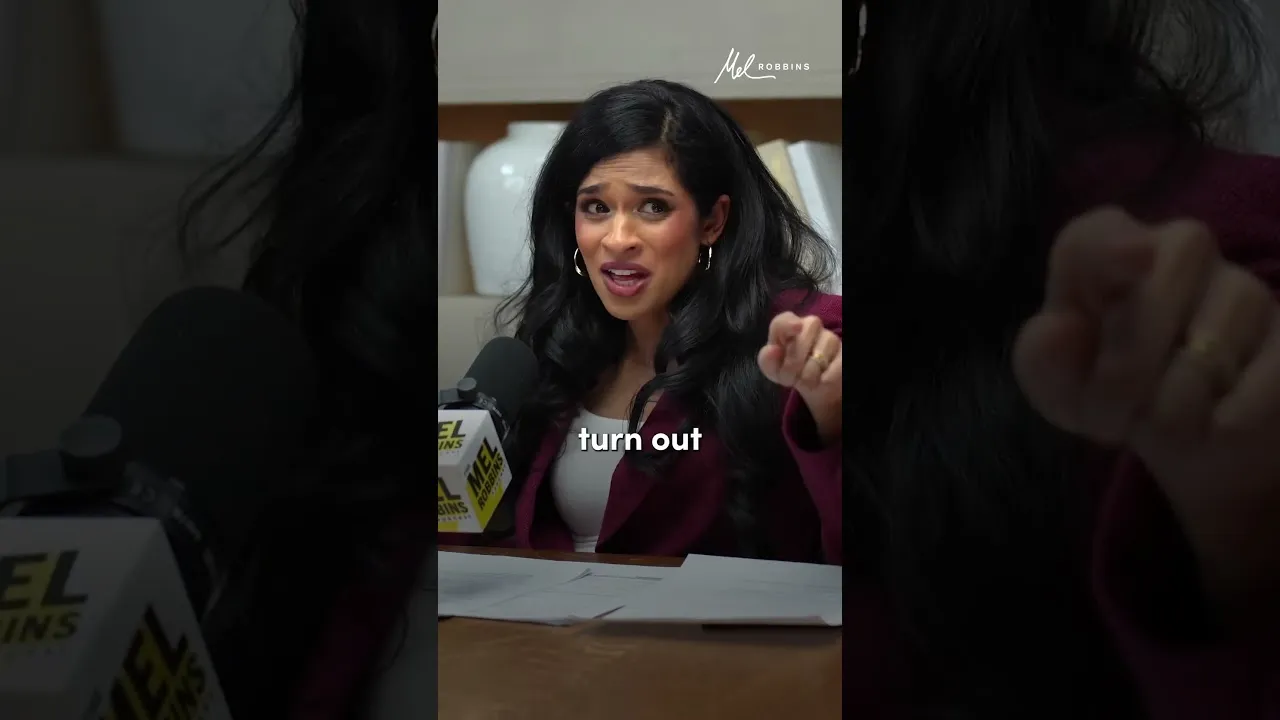
Source: What to Do When the Future You Wanted Doesn’t Happen | Mel Robbins #Shorts (YouTube)