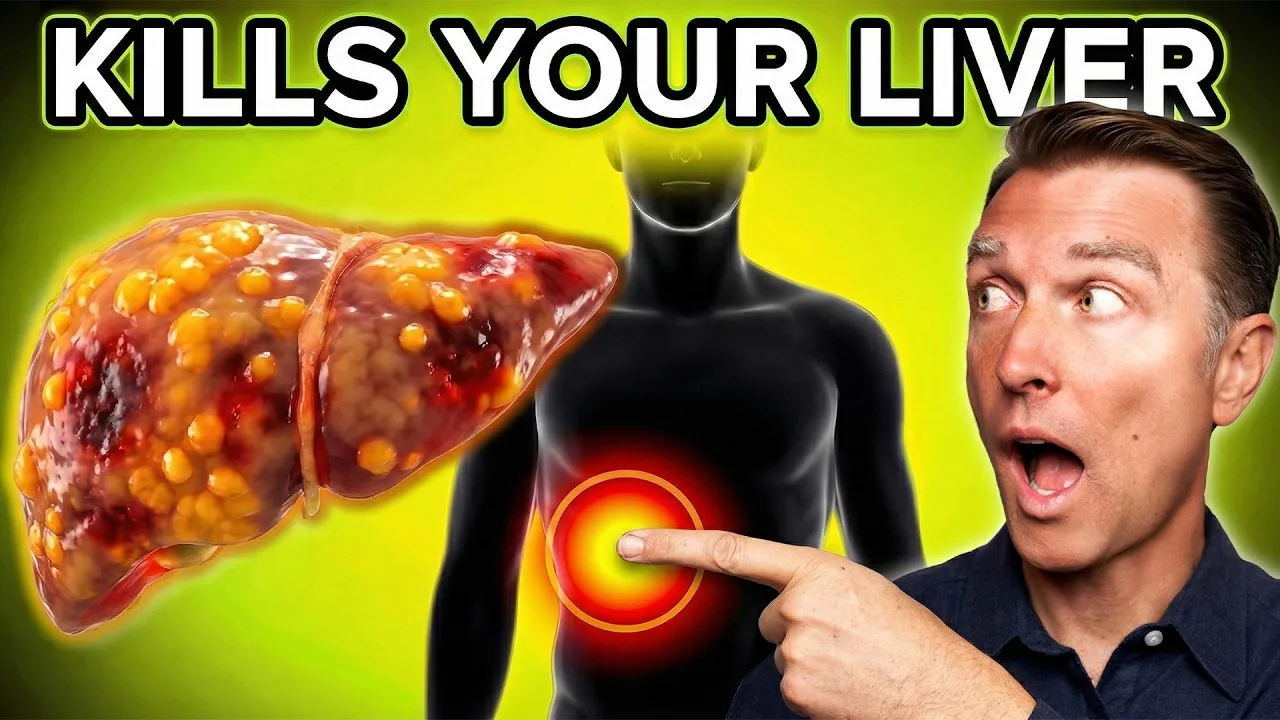
Fructose Fuels Fatty Liver Disease More Than Alcohol
While many associate liver damage with heavy alcohol consumption, a significant and often overlooked culprit is fructose, particularly in processed foods and sugary drinks. This common sugar is silently contributing to chronic liver disease in millions of Americans, a problem that far outstrips alcohol-related issues in terms of sheer numbers.
The Liver’s Vital Role
Your liver is a powerhouse, performing over 500 essential functions. It’s not a storage unit for toxins but rather a sophisticated processing plant. The liver neutralizes harmful substances, turning them into harmless compounds through a complex series of actions. Key to this detoxification is a powerful compound called glutathione, which acts as your liver’s bodyguard. Another crucial function is the liver’s fat export system, designed to keep excess fat from building up. Everything you consume, inhale, or even absorb through your skin eventually reaches your liver for processing.
Fructose: A Hidden Danger
Fructose, a sugar found naturally in fruits but heavily concentrated in processed foods and beverages through high-fructose corn syrup (HFCS), is particularly damaging to the liver. Unlike glucose, which all your body’s cells can process, fructose can only be metabolized by the liver. When the liver encounters large amounts of fructose, it triggers a two-pronged attack: it activates fat accumulation, essentially turning the liver into a fat-making factory, and it simultaneously blocks the burning of fat. This dual action directly leads to a fatty liver.
The History of Fatty Liver
Interestingly, the deliberate creation of a fatty liver isn’t a new concept. Ancient Romans discovered that force-feeding geese dried dates, a rich source of fructose, would induce fatty liver disease, which they considered a delicacy. This historical practice mirrors our modern consumption of fructose, primarily through high-fructose corn syrup found in sodas, cereals, granola bars, yogurts, ketchup, bread, and countless other processed items. This makes fructose a rapid pathway to developing a fatty liver.
Fructose vs. Alcohol: A Surprising Comparison
Research shows that fructose can be as dangerous to your liver as alcohol. However, the public is often unaware of this connection. While people may consciously limit alcohol due to its known liver risks, they often consume sugary drinks and processed foods containing fructose without considering the similar biochemical impact on their liver. Your body processes fructose from soda and alcohol in remarkably similar, damaging ways.
The Rise of Non-Alcoholic Fatty Liver Disease (NAFLD)
The consequences of high fructose intake are starkly evident in the rising rates of non-alcoholic fatty liver disease (NAFLD). This condition now affects 5-10% of children, with nearly half of obese children experiencing a fatty liver. Alarmingly, children as young as two years old are being diagnosed with NAFLD. This has led to NAFLD becoming the leading cause of liver transplants in adults under 50, surpassing even alcohol-related liver disease and hepatitis C. These are not individuals with a history of heavy drinking but younger people overloaded with fructose.
Acetaminophen (Tylenol): A Fast-Acting Threat
While fructose is a slow, chronic threat, acetaminophen, the active ingredient in Tylenol, poses a risk of rapid, acute liver failure. It is the leading cause of acute liver failure in the United States. In moderate doses, acetaminophen is generally safe, but it’s easy to accidentally consume too much. This is because acetaminophen is present in over 600 different medications, including many over-the-counter cold and pain relievers, as well as prescription drugs like Vicodin and Percocet.
The Dangers of Overdosing on Acetaminophen
Combining different medications containing acetaminophen, or taking more than recommended, can quickly lead to exceeding safe dosage limits. For example, taking extra-strength Tylenol for a headache and then NyQuil for sleep, both containing acetaminophen, can double your dose without you realizing it. Similarly, taking prescription pain relievers that already include acetaminophen and then adding Tylenol on top can be dangerous. Nearly half of severe acetaminophen overdoses stem from these prescription combinations. The critical issue is that while higher doses of acetaminophen don’t increase pain relief beyond a certain point, they drastically increase liver damage. Early signs like nausea, fatigue, and vomiting can be mistaken for the flu, potentially leading individuals to take even more acetaminophen in an attempt to alleviate symptoms.
Protecting Your Liver: Actionable Steps
The good news is that the liver is a remarkably resilient organ with an incredible ability to regenerate and heal. Taking proactive steps can significantly protect and even reverse liver damage.
- Reduce Fructose Intake: The most crucial step is to stop consuming high-fructose corn syrup and reduce overall sugar intake, as about half of table sugar is fructose. Opt for whole fruits over fruit juice, as the fiber in whole fruit slows down fructose absorption.
- Prioritize Choline: Choline is vital for liver health, aiding in fat transport out of the liver and preventing or reversing fatty liver. Egg yolks are an excellent source of choline.
- Consider NAC: N-acetylcysteine (NAC) is a supplement that helps the liver produce glutathione, its natural protector. Emergency rooms use NAC to treat acetaminophen overdose, and taking it alongside Tylenol can help protect your liver.
- Boost Glutathione: Consume cruciferous vegetables like broccoli and Brussels sprouts, and ensure adequate intake of the trace mineral selenium, which also supports glutathione production.
Consult Your Doctor
This information is for educational purposes and is not a substitute for professional medical advice. Always consult with your doctor or a qualified healthcare provider before making any decisions about your health or treatment. They can provide personalized guidance based on your individual health needs and history.
Source: The #1 Thing Destroying Your Liver Isn't Alcohol (YouTube)