Bond Market Signals Fed Rate Hikes Amid Economic Slowdown
The stock market is experiencing one of its worst weeks of the year, but the real story may be unfolding in the bond market. For the first time in 2026, investors are pricing in a significant chance, specifically a 52% probability, that the Federal Reserve will raise interest rates instead of cutting them. This shift in expectations is creating headwinds for stocks, driven by rising oil prices and persistent inflation concerns, even as the economy shows signs of slowing.
Oil Shock Fuels Inflation Fears
The recent geopolitical tensions in the Middle East, particularly the United States’ actions involving Iran, have sent oil prices soaring. The Middle East is a critical hub for global oil supply and shipping, with Iran controlling the Strait of Hormuz, a vital waterway through which 20% of the world’s oil passes. Disruptions in this region make oil transportation more difficult and expensive. This directly translates to higher prices at the pump for gasoline and diesel, increased shipping costs for businesses, and more expensive air travel. Consequently, the cost of everyday goods, including groceries, rises because transportation is a significant component of their final price.
These rising oil prices exacerbate existing inflation concerns. Inflation, the rate at which prices for goods and services increase, was already a worry before the recent events. Reports indicated that inflation was heading higher in 2026, and the surge in oil prices is expected to make this problem even worse. This creates a difficult dilemma for the Federal Reserve, the central bank of the United States responsible for managing the nation’s money system.
The Fed’s Tightrope Walk: Inflation vs. Economic Growth
The Federal Reserve has a dual mandate: control inflation and maintain a strong economy. Historically, when inflation is high, the Fed raises interest rates. This makes borrowing money more expensive, which tends to cool down spending and, in turn, reduce inflationary pressures. We saw this happen aggressively between 2022 and 2025, leading to higher mortgage rates and car loan costs.
Conversely, when the economy is slowing down or in a recession, the Fed typically cuts interest rates. Lower interest rates make borrowing cheaper, encouraging spending and investment, which can help stimulate economic growth. For instance, in 2020, during the pandemic, interest rates were slashed to historic lows to boost the economy. However, a consequence of such low rates can be increased inflation, as seen in the period following 2020.
Now, the U.S. faces a challenging situation. Economic growth is slowing, and the job market is weakening. Yet, inflation is picking up. This presents a conflict: high inflation calls for higher interest rates, while a slowing economy suggests the need for lower rates. The Fed cannot simultaneously raise and lower rates, forcing a difficult decision that will inevitably impact different parts of the economy and investors.
Historical Echoes: Stagflation Fears Rise
This economic scenario echoes the stagflation experienced in the early 1970s. Back then, following President Nixon’s decision to take the U.S. dollar off the gold standard in 1971, increased government spending and money printing boosted the economy but led to significant inflation. This was compounded by an oil crisis in the mid-1970s due to conflicts in the Middle East, further driving up prices.
In response, the Federal Reserve drastically raised interest rates, reaching as high as 20% for some loans. This painful medicine helped stabilize the dollar and control inflation but caused a deep recession, job losses, and economic slowdown. The concern today is whether a similar period of stagflation—high inflation combined with a stagnant or slowing economy—is on the horizon.
Many Americans may already feel poorer than before the pandemic, as wage growth has been outpaced by the rising cost of living. Higher oil prices are expected to worsen this situation, pushing inflation higher and prompting investors to reconsider the Fed’s path. While President Trump has advocated for lower interest rates, the Federal Reserve operates independently, prioritizing its mandate to manage the economy and currency.
Market Impact: Navigating Uncertainty and Finding Opportunities
The current environment presents a complex picture for investors. Fears of a potential currency crisis, where the dollar loses significant value, are more concerning than a recession, which is a more familiar economic challenge. The Fed must decide whether to prioritize saving the economy or protecting the dollar’s value.
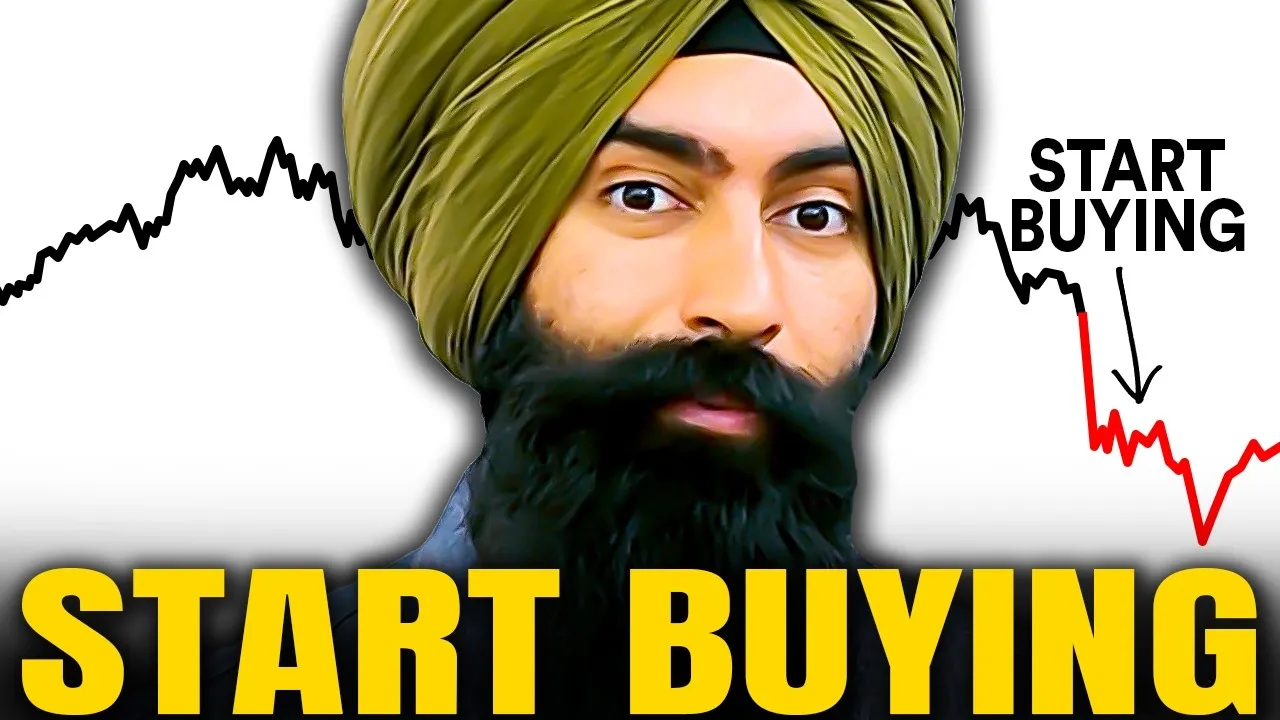
When markets fall and headlines scream about economic doom, the natural instinct for many is to sell their investments, fearing further losses. This often leads to realizing losses and missing potential rebounds. However, seasoned investors like Warren Buffett advocate for a different approach: “Be greedy when others are fearful, be fearful when others are greedy.” Market downturns, while scary, can present significant buying opportunities.
What Investors Should Know
- Fed Policy Shift: Investors are now anticipating potential interest rate hikes in 2026, a change from previous expectations of rate cuts.
- Inflationary Pressures: Rising oil prices due to geopolitical events are expected to further fuel inflation, complicating the economic outlook.
- Stagflation Risk: The combination of a slowing economy and rising inflation raises concerns about stagflation, a difficult economic scenario.
- Long-Term Perspective: Despite short-term market volatility, historical data suggests that economies tend to grow over the long term.
Long-Term Strategy: Always Be Buying (ABB)
The key is to maintain a long-term perspective. If you believe the economy will continue to grow and exist in 10 years, then market downturns are opportunities to acquire assets at lower prices. The strategy of “Always Be Buying” (ABB) involves consistently investing, regardless of market conditions, perhaps even increasing purchases during dips.
For those investing in broad market index funds or ETFs (Exchange Traded Funds) that track indexes like the S&P 500 or the total stock market, consistent automated buying is a viable strategy. Automating investments ensures that you buy regularly, whether the market is up, down, or sideways. During market downturns, one might even consider increasing the automated purchase amounts.
Active Investing vs. Passive Investing
Beyond passive investing in broad market funds, active investing involves researching and selecting specific industries, sectors, or stocks that are expected to perform well. This requires more diligence but can offer greater rewards if done correctly. Identifying sectors poised to benefit from economic trends, like artificial intelligence or robotics, and buying them when they are undervalued due to broader market conditions, can be a powerful strategy.
The mistake many investors make is treating investment decisions with less care than everyday purchases, like choosing toothpaste. A disciplined approach involves researching investments thoroughly and using market downturns as opportunities to buy favored assets when they are on sale, much like consumers eagerly await Black Friday or Cyber Monday sales.
Ultimately, understanding how to think like a long-term investor, rather than reacting emotionally to short-term market fluctuations, is crucial for building wealth. Market downturns are not just periods of loss; they are potential gateways to future gains for those who approach them with patience and a strategic plan.
Source: The Stock Market Just Crashed – Buy The Dip (YouTube)