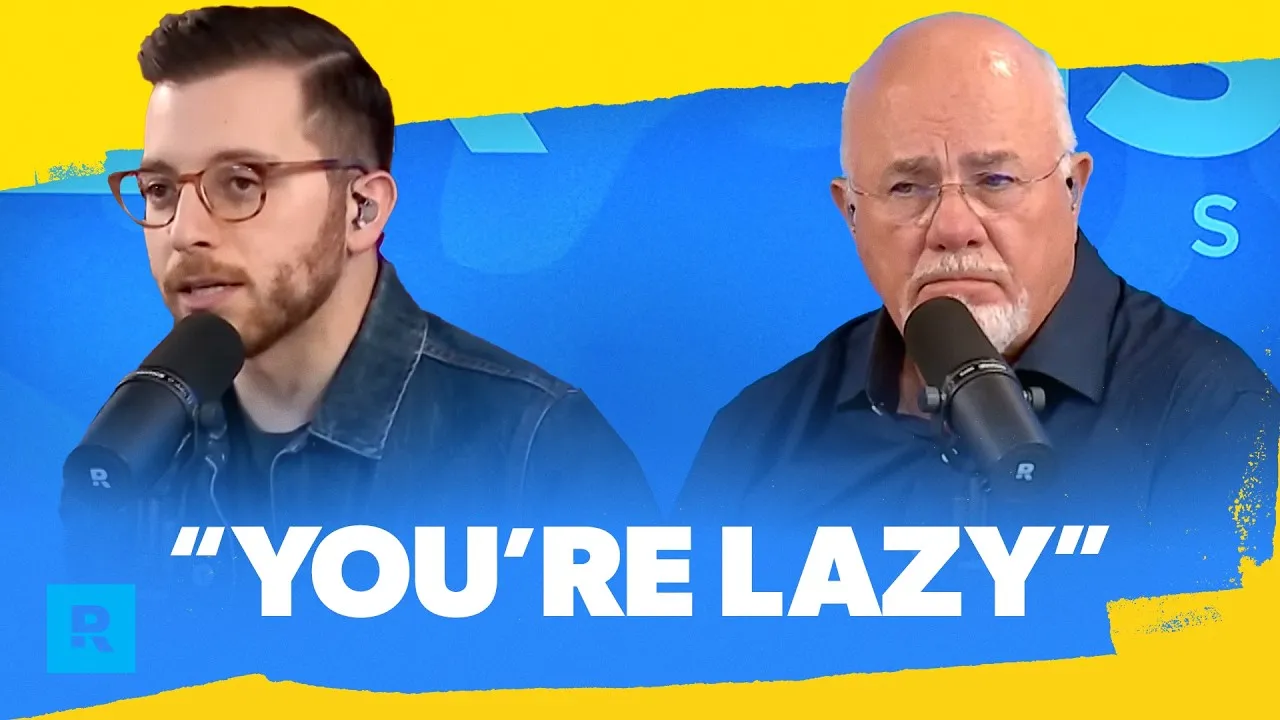
High Earners Urged to Confront Financial Disorganization
A financial expert has strongly advised a couple earning a substantial income against cashing out retirement funds to pay off debt, calling their approach to money management “intellectually lazy.” The warning comes as the couple grapples with over $110,000 in non-mortgage debt, despite a significant household income.
Debt Details and Expert’s Firm Stance
The couple, both around 40 years old, revealed their debt includes a $50,000 home equity loan, a $28,000 retirement loan from their 401k, a $13,000 car loan, and $15,000 in credit card debt. They also have about $11,000 in savings, which they consider incomplete for emergencies.
When asked about cashing out the principal from a Roth IRA to clear this debt, the expert’s response was unequivocal: “Not unless you’re bankrupt.” The reasoning provided is that such a move would forfeit potentially millions of dollars in future tax-free growth. This action, the expert argued, fails to address the core issues leading to the debt accumulation.
Income vs. Spending Disconnect
The couple reported a combined household income of approximately $8,300 every two weeks, which equates to roughly $215,800 annually. The expert expressed shock at the level of debt given this income, stating, “You make too much money to be this broke.” The advice centers on the idea that the couple is living a lifestyle they cannot afford, leading to consistent overspending.
The ‘Eyes Wide Open’ Debt Reduction Strategy
The expert outlined a disciplined approach, often referred to as “Baby Step Two,” which involves temporarily pausing retirement contributions. The focus shifts entirely to aggressively paying off all non-mortgage debt, starting with the smallest balances and working up. This method, known as the debt snowball, emphasizes gaining psychological wins by eliminating smaller debts first.
The core principle is to increase income and slash expenses drastically to eliminate debt as quickly as possible. The sooner the $110,000 debt burden is gone, the sooner their income can be redirected toward wealth-building. The current situation, the expert lamented, is one where their income is being “given away to all these stupid things you bought that you couldn’t afford.”
Addressing the Root Cause: Behavior, Not Just Debt
A key theme of the advice is that debt is merely a symptom of deeper financial misbehavior. The expert likened it to trying to fix a lawn by merely mowing the dandelions; the roots remain, and the problem returns. The couple’s language around their finances, using phrases like “sort of kind of maybe,” indicates a lack of precise knowledge and control over their spending.
“The guy in your mirror is freaking lazy and disorganized with his money. That’s you.”
This harsh assessment highlights the need for personal accountability. The expert stressed that quick fixes, like debt consolidation, often fail because they don’t change the underlying habits. Statistics show that around 88% of people who take out debt consolidation loans end up back in debt within five years. This is because the fundamental issues of overspending, lack of budgeting, and poor communication between spouses are left unaddressed.
Market Impact and Investor Takeaways
What Investors Should Know
This situation underscores a critical financial principle: income alone does not guarantee wealth. Disciplined spending, budgeting, and strategic debt management are paramount, regardless of income level. For investors, this serves as a cautionary tale about the importance of addressing personal financial habits before they derail long-term wealth-building goals.
The expert suggested that with focused effort and behavior change, the couple could potentially clear their $110,000 debt in about 18 months. This highlights the power of intense, short-term financial discipline. The alternative is a continued cycle of debt and financial stress, potentially impacting their ability to benefit from their substantial pre-tax retirement savings, which currently stand near $900,000.
The advice strongly discourages tapping into tax-advantaged retirement accounts like Roth IRAs or 401(k)s for debt payoff. Such actions can incur penalties and taxes, and more importantly, sacrifice decades of potential compound growth. Instead, the emphasis is on tackling debt through increased income and reduced spending, freeing up cash flow for savings and investment.
Ultimately, the message is that financial success requires more than just earning money; it demands organization, discipline, and a clear understanding of one’s financial picture. Ignoring these fundamentals, even with a high income, leads to a self-inflicted financial crisis.
Source: "The Guy In Your Mirror Is Freaking Lazy" (YouTube)