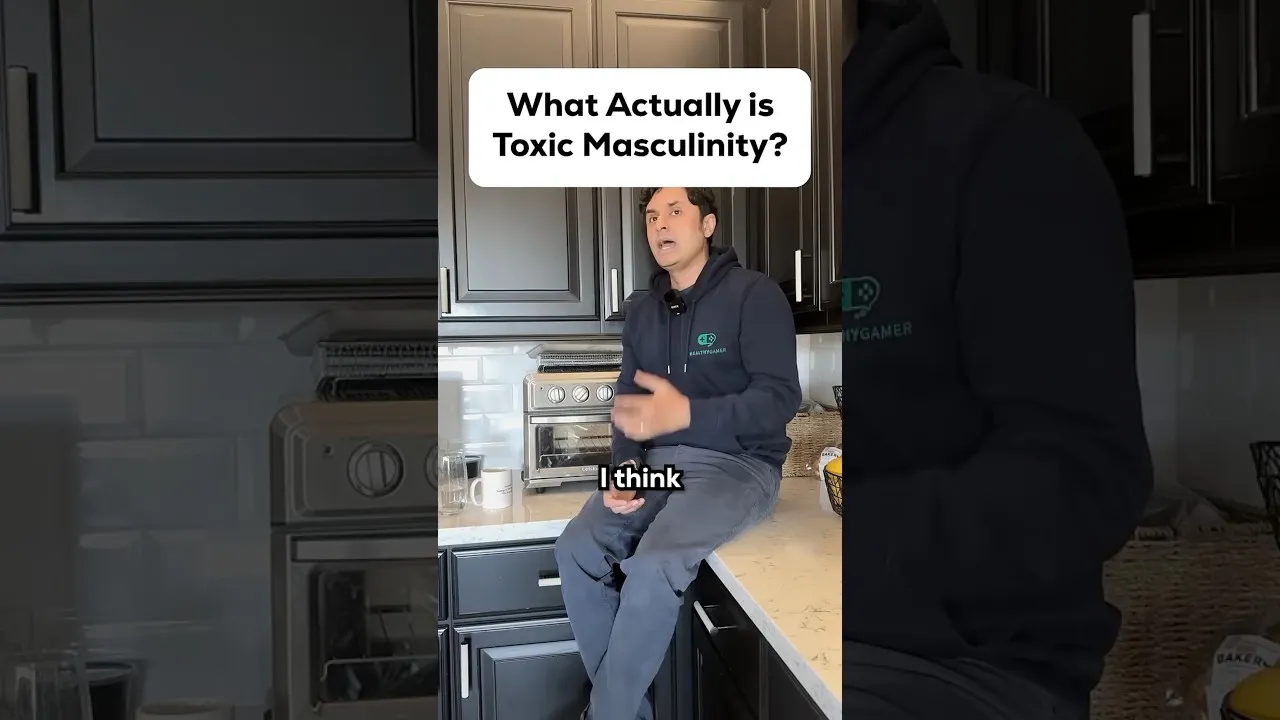
Understanding Toxic Masculinity: Beyond Harmful Stereotypes
The term “toxic masculinity” is often used, but what does it actually mean? Many people struggle to define it, leading to confusion and varied interpretations. Some see it as a way to label anything they dislike about men, which can be overly simplistic and unfair.
It’s important to recognize that not all men exhibit harmful behaviors. Many men are dedicated to serving others and treating people with respect. However, the way these men are treated in return can be inconsistent, creating challenges.
When Pressure Becomes Harmful
Consider a situation where a young teenager faces immense pressure after a parent’s death. Imagine a 15-year-old boy, with three sisters and a mother, suddenly becoming the sole provider for his family. He’s told it’s his duty to be the “man of the house” and ensure their financial stability. This immense responsibility can push a young person into desperate measures, like engaging in illegal activities such as selling drugs, simply to survive and support his family.
This scenario highlights how societal expectations and pressures can lead individuals, particularly young men, down harmful paths. These expectations often stem from rigid ideas about what it means to be a man, demanding stoicism, dominance, and sole responsibility without considering the individual’s capacity or the potential negative consequences.
Defining the Concept Clearly
Research on toxic masculinity suggests it refers to certain cultural norms associated with manhood that can be harmful to men themselves, women, and society overall. These norms often include suppressing emotions (except anger), maintaining an appearance of hardness, valuing violence, and seeking status and control. It’s not about inherent male traits but rather harmful social pressures and behaviors that some men adopt.
For example, the idea that men should never cry or show vulnerability can lead to serious mental health issues. When men are taught that expressing sadness or fear is a sign of weakness, they may bottle up their emotions, increasing their risk of depression, anxiety, and even suicide. Instead of seeking help, they might resort to unhealthy coping mechanisms.
The Impact on Relationships and Society
When men feel pressured to be dominant or aggressive, it can damage their relationships with partners, friends, and family. It can also contribute to broader societal problems like violence, harassment, and discrimination. Understanding toxic masculinity helps us identify these harmful patterns and work towards healthier ways of expressing identity and relating to others.
It’s crucial to distinguish between healthy masculine traits, such as courage, leadership, and protectiveness, and the toxic aspects that involve harm, control, and emotional suppression. The goal is not to demonize men but to challenge harmful cultural norms that limit everyone’s potential for healthy emotional expression and connection.
Moving Towards Healthier Norms
Creating a society where men can be open about their feelings and seek support is vital. This involves encouraging emotional literacy from a young age and challenging stereotypes that equate masculinity with toughness or aggression. It means celebrating men who show empathy, vulnerability, and respect.
When we talk about toxic masculinity, we are really discussing harmful social expectations. These expectations can affect men of all ages and backgrounds. By fostering environments where diverse expressions of masculinity are accepted and valued, we can promote better mental health and stronger relationships for everyone.
This article is for informational purposes only and does not constitute medical advice. Always consult with a qualified healthcare provider for any health concerns or before making any decisions related to your health or treatment.
Key Health Takeaways
- Toxic masculinity refers to harmful social norms that pressure men into certain behaviors, like suppressing emotions or being aggressive.
- These pressures can negatively impact men’s mental health, leading to issues like depression and anxiety.
- Challenging these norms helps create healthier environments for men to express themselves and seek support.
- Promoting emotional openness and respect benefits individuals and society as a whole.
- It’s important to differentiate between healthy masculine traits and harmful, socially constructed ones.
Source: What Actually is Toxic Masculinity (YouTube)