Hormones In Utero May Shape Sexual Orientation
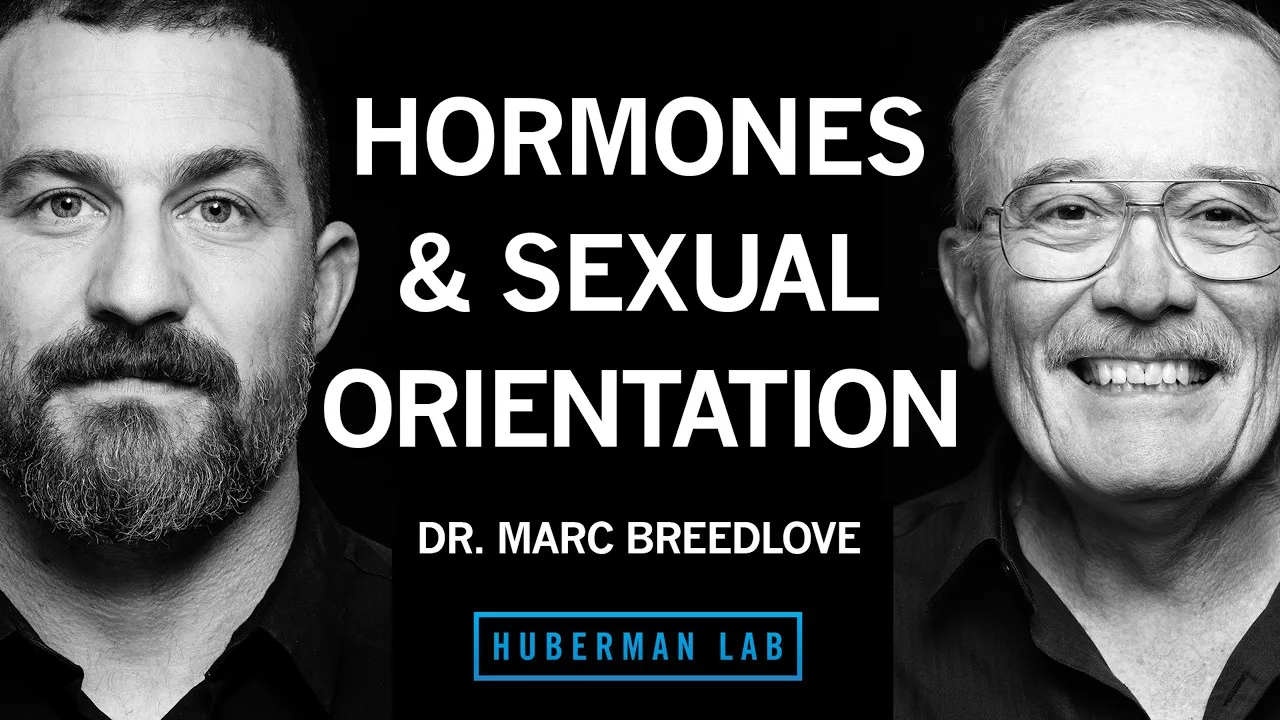
New research suggests that hormones a fetus is exposed to before birth could play a significant role in determining sexual orientation later in life. This groundbreaking work, led by neuroscientist Dr. Mark Breedlove, challenges the idea that sexual orientation is a choice and offers biological explanations for attractions.
The Older Brother Effect: A Surprising Statistic
One of the most well-established findings in human sexuality research is the “fraternal birth order effect.” This means that the more older brothers a male has, the higher his probability of being gay. This isn’t a small difference; it’s a consistent observation across many studies.
Consider this: a baby boy born today with no older brothers has about a 2% chance of being gay. If he has one older brother, that chance increases by about a third, to around 2.6%. With two older brothers, it rises by another third, reaching about 3.5%. To reach a 50/50 chance of being gay, a male would need roughly a dozen older brothers.
Finger Length Ratios and Prenatal Testosterone
Dr. Breedlove’s research has also explored the link between finger length ratios and sexual orientation, a finding tied to prenatal testosterone exposure. The ratio of the length of the second finger (index finger) to the fourth finger (ring finger), known as the 2D:4D ratio, can indicate how much testosterone a fetus was exposed to in the womb.
Generally, men tend to have a smaller 2D:4D ratio compared to women. This difference is thought to be influenced by testosterone during fetal development. Research has shown that, on average, lesbians tend to have more masculine 2D:4D ratios than heterosexual women, suggesting potentially higher prenatal testosterone exposure.
Conversely, studies have not found a significant difference in 2D:4D ratios between gay and straight men. This suggests that the amount of prenatal testosterone exposure might be similar for both groups, but their brains may have responded differently to it. It’s crucial to remember these are group averages; an individual’s finger ratio doesn’t definitively predict their sexual orientation.
Brain Development and Sexual Orientation
The research also touches upon the development of specific brain regions. A notable study by Simon LeVay examined a region in the hypothalamus called the preoptic area. In rats, a nucleus within this area, the sexually dimorphic nucleus of the preoptic area (SDN-POA), shows significant size differences between males and females.
LeVay’s research on human brain tissue found that a similar nucleus in the preoptic area was smaller in gay men compared to straight men, and its size was closer to that found in women. While this study faced skepticism and challenges, including concerns about post-mortem samples from individuals with AIDS, independent replications have lent support to the findings.
These studies collectively suggest that biological factors, particularly hormonal influences during prenatal development, may shape the brain in ways that contribute to sexual orientation, independent of social or environmental factors after birth.
Nature vs. Nurture: A Complex Interaction
For decades, the question of whether sexual orientation is determined by nature (biology) or nurture (environment) has been debated. Dr. Breedlove emphasizes that while social influences are undeniable and shape many aspects of our lives, like language, they may not be the primary drivers of sexual orientation.
The early onset of attractions, often before puberty, and the biological markers like finger length ratios point towards a significant biological component. However, the exact interplay between genetics, hormones, and environmental factors is still being explored. It’s likely a complex interaction rather than a single cause.
Implications and Future Research
Understanding the biological underpinnings of sexual orientation has profound implications. It moves away from the notion of sexual orientation as a choice and highlights its deeply rooted biological origins. This perspective can foster greater understanding and acceptance.
Future research aims to further unravel the precise mechanisms by which prenatal hormones influence brain development and sexual preference. Studies on animals, like gay rams, also provide valuable insights into the hormonal and neurological factors that can influence sexual behavior.
Key Health Takeaways
- The number of older brothers a male has is statistically linked to a higher probability of being gay (the fraternal birth order effect).
- Finger length ratios (2D:4D ratio) may be influenced by prenatal testosterone exposure, with lesbians, on average, showing more masculine ratios than heterosexual women.
- Research suggests that a specific brain region in the hypothalamus (preoptic area) may differ in size between gay and straight men.
- These findings point towards biological factors, particularly prenatal hormone exposure, playing a significant role in shaping sexual orientation.
- Sexual orientation is likely not a choice but rather a complex interplay of biological factors, with social influences shaping other aspects of life.
Disclaimer: This article is for informational purposes only and does not constitute medical advice. Always consult with a qualified healthcare professional for any health concerns or before making any decisions related to your health or treatment.
Source: How Hormones Shape Sexual Orientation & Behavior | Dr. Marc Breedlove (YouTube)