Fed Rate Cut Bets Surge After Powell Comments
Market expectations for Federal Reserve interest rate policy have dramatically shifted. Investors are now pricing in a higher chance of rate cuts by the end of 2026, a significant change from previous predictions of potential rate hikes.
Rate Futures Market Flips Dramatically
Jerome Powell, the head of the Federal Reserve, recently made comments that appear to have reversed market sentiment. Previously, traders saw a 30-40% chance of one or even two interest rate hikes by December 2026. This outlook suggested that the Fed might look past geopolitical issues, believing it had enough time to assess the situation.
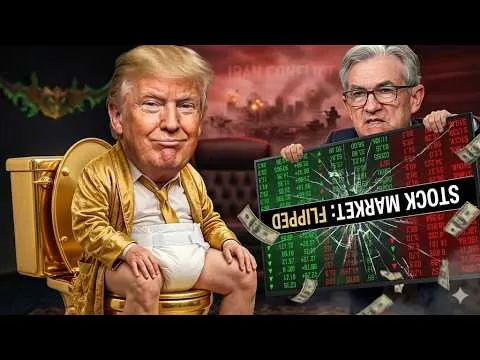
However, after Powell’s recent commentary, the outlook has flipped. The market now shows an over 30% chance of rate cuts being implemented by the end of the year. This reversal is clearly visible in the rate futures market, where the odds of future rate hikes have collapsed.
Understanding Rate Futures
Rate futures are financial contracts that allow investors to bet on the future direction of interest rates. They are closely watched because they reflect the market’s collective opinion on what the Federal Reserve might do with its benchmark interest rate. When bets on rate cuts increase, it often signals that investors expect the economy might slow down, or that inflation is under control.
Geopolitical News Adds Complexity
Adding to the market’s dynamics are comments from Donald Trump regarding the ongoing conflict. Trump suggested that the United States might resolve the war without needing to reopen the Strait of Hormuz, a key waterway for oil transport. He implied that European and Asian countries could obtain fuel independently.
This commentary initially sparked some enthusiasm, suggesting a potentially shorter conflict. However, other reports indicate the war could last another four to eight weeks. Furthermore, historical patterns of Trump’s statements before military actions raise questions about the true implications of his remarks.
Adding to the complexity, Iranian media has reported that U.S. technology and communications from American companies could become legitimate targets. The Iranian Revolutionary Guard has also stated intentions to target U.S. companies in the region starting April 1st, in retaliation for attacks. These geopolitical developments create a mixed picture, with some signals suggesting de-escalation while others point to continued tensions.
Economic Data Shows Slowing Hiring
Recent economic data also provides context. The latest JOLTS report showed that the private sector hiring rate in February reached its lowest point since February 2010. At that time, the unemployment rate was significantly higher at 9.7%. While layoff levels remain relatively low, this slowdown in hiring suggests a cooling labor market.
A cooling labor market can be a signal to the Federal Reserve that its interest rate policies are working to slow down the economy. This can increase the likelihood of future rate cuts, as the Fed aims to balance inflation control with economic growth.
Market Impact and What Investors Should Know
The shift in Fed rate expectations is a significant development for investors. Lower interest rates generally make borrowing cheaper, which can stimulate economic activity and boost stock prices. Companies that rely on borrowing, such as those in real estate or manufacturing, might benefit.
Conversely, the geopolitical tensions, particularly concerning oil supply, remain a factor. The Strait of Hormuz is crucial for global energy markets. Any disruption or continued uncertainty could lead to higher energy prices, which can increase costs for businesses and consumers, potentially offsetting some of the positive effects of anticipated rate cuts.
Investors should pay close attention to energy prices, specifically tracking benchmarks like USO (United States Oil Fund) and BNO (Brent Oil Fund). These funds often move inversely to the broader market, meaning when they rise, the market may fall, and vice versa. Monitoring these can offer clues about underlying market movements driven by oil supply concerns.
Long-Term Implications
The Federal Reserve’s path forward will likely depend on incoming economic data and geopolitical stability. If inflation remains under control and the economy shows signs of continued slowdown, the shift towards rate cuts could be sustained. This could provide a supportive environment for stocks over the medium to long term.
However, unexpected inflation spikes or escalating geopolitical conflicts could quickly change the Fed’s stance again. Investors should remain aware of these potential risks and adjust their strategies accordingly. The current market sentiment, driven by the expectation of fewer rate hikes and potential cuts, appears to be a key factor influencing asset prices in the short term.
Source: TOTAL FLIP (YouTube)