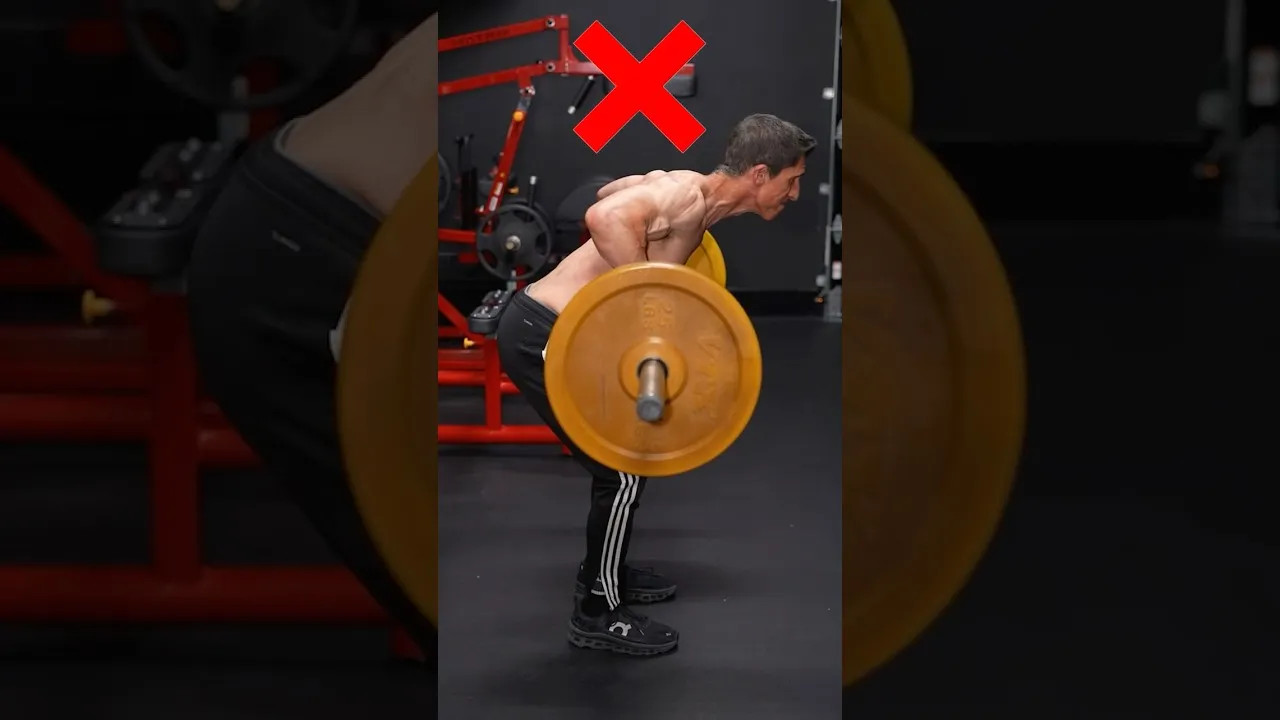
Unlock Wider Lats: Master Barbell Row Form
The barbell row is a powerful exercise for building a strong and wide back. However, many people perform it incorrectly, which can limit its effectiveness and even lead to injury. By making a few simple adjustments to your form, you can significantly boost how well this exercise targets your lat muscles, leading to impressive gains.
Target Your Lats for Maximum Growth
The key to maximizing lat growth with barbell rows lies in changing where you pull the bar. Instead of pulling the weight towards your chest, aim to pull it towards your belly button. This lower pull path, combined with keeping your elbows tucked close to your body, shifts the focus away from your upper back, traps, and teres major muscles. It directs the tension straight to your latissimus dorsi, the large muscles on the sides of your back responsible for that coveted V-taper look. When your lats are under high tension from heavy weights, they respond quickly and efficiently, leading to faster muscle growth.
Protect Your Lower Back
Another critical aspect of proper barbell row form is maintaining the natural curve in your lower back. Allowing your lower back to round, also known as spinal flexion, not only puts you at a much higher risk for injury but also reduces the tension on your lats. When your pelvis tilts backward and your lower back rounds, it compromises the primary attachment point of your lat muscles. Keeping your core braced and your back straight throughout the movement ensures that your lats do the work, not your lower back.
Putting It All Together: The Right Technique
To perform the barbell row correctly for lat development:
- Start by standing with your feet hip-width apart, holding a barbell with an overhand grip, hands slightly wider than shoulder-width.
- Hinge at your hips, pushing your glutes back and keeping your back straight, until your torso is almost parallel to the floor. Maintain a slight bend in your knees.
- Engage your core to stabilize your spine.
- Pull the barbell towards your belly button, keeping your elbows tucked in close to your sides. Imagine you are trying to pull your elbows back towards your hips.
- Squeeze your shoulder blades together at the top of the movement, focusing on feeling the contraction in your lats.
- Slowly lower the barbell back to the starting position with control, maintaining tension in your back muscles.
- Repeat for the desired number of repetitions.
Who Should Pay Attention?
This advice is particularly useful for individuals looking to build a more developed back, especially those aiming for wider lats. It’s beneficial for both men and women engaged in strength training, bodybuilding, or general fitness. Athletes in sports that require pulling movements, such as rowing or climbing, can also see performance improvements with better barbell row technique. People who have experienced lower back discomfort during or after traditional barbell rows may find these adjustments helpful for reducing strain.
Consulting Professionals
While this article provides guidance on improving your barbell row technique, it is not a substitute for professional medical advice. If you have any pre-existing back conditions or experience pain during exercise, it is essential to consult with a doctor or a qualified physical therapist. They can assess your individual needs and provide personalized recommendations to ensure you exercise safely and effectively. Always prioritize listening to your body and modifying exercises as needed.
Key Health Takeaways
- Pull the barbell towards your belly button, not your chest, to better target your lat muscles.
- Keep your elbows tucked close to your sides throughout the movement for increased lat engagement.
- Maintain a neutral, straight spine and avoid rounding your lower back to prevent injury and maximize lat tension.
- A stable core and proper hip hinge are crucial for protecting your lower back during barbell rows.
- Focus on squeezing your shoulder blades together at the top to enhance the mind-muscle connection with your lats.
Source: STOP Doing Barbell Rows Like This! (YouTube)