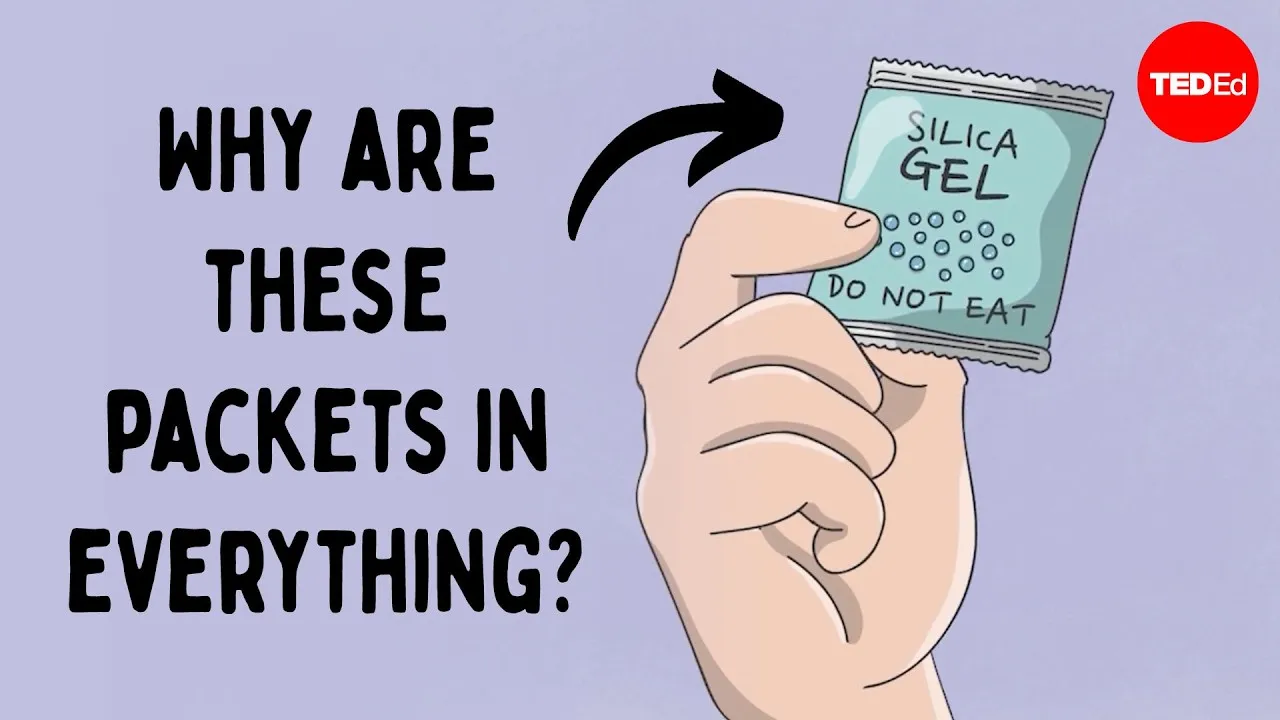
What Happens If You Eat a Silica Gel Packet?
You find them everywhere: tiny packets tucked inside shoeboxes, electronics, and even food packaging. These are silica gel packets, and they’re designed to keep things dry. But what if you get curious and decide to eat one? This article will explain what silica gel is, why it’s used, and what happens to your body if you swallow a packet.
What is Silica Gel?
Silica gel, also known as silicon dioxide, starts as sand from the Earth’s crust. This sand is cleaned, dried, and sifted. Then, it’s mixed with sodium carbonate and heated. An acid is added, which helps the tiny silica particles stick together, forming a jelly-like substance. This substance is then washed and dried into hard, glassy beads.
The beads look like regular sand, but they have a special structure. Inside each bead are tiny tunnels. These tunnels create a huge surface area, much larger than you’d expect from such a small bead. For example, just one gram of silica gel has over 700 square meters of surface area.
How Does Silica Gel Work?
The silica dioxide molecules in the gel have a natural attraction to water and other polar substances. When silica gel is in a humid place, it pulls water from the air onto its surface. This water then gets drawn into the tiny tunnels inside the bead through a process called capillary condensation. Each bead can soak up about 40% of its own weight in water. This means a small, 5-gram packet can hold about 2 grams of liquid. Even when full of water, the beads don’t feel wet to the touch.
This ability to absorb moisture makes silica gel a desiccant, meaning it’s used to keep things dry. But it doesn’t just absorb water. Silica can also attract gases like ammonia and sulfur dioxide. This makes it useful in gas masks and air filters.
How Long Does It Take to Saturate?
The speed at which silica gel absorbs moisture depends on the environment. In a very humid, closed-off space, a packet might become full in just a day or two. In a place with moderate humidity, it could take up to a week.
Can Silica Gel Be Reused?
Yes, silica gel beads can last practically forever. You can dry them out by placing them in a hot oven. This removes the absorbed moisture, making them ready to use again.
Why is Silica Gel Used So Much?
Because it’s effective and made from common materials, silica gel has been the most popular drying agent since it was first mass-produced in 1919. It helps keep snacks crunchy and fresh, ensures medicines like pills and vitamins stay dry, and even absorbs odors from cat litter boxes.
Museums use silica gel to protect metal objects from rusting and to prevent mold growth on preserved animals. In space, a special type called aerogel insulates spacecraft from extreme temperatures and collects dust from comets.
What Happens If You Eat a Silica Gel Packet?
The warning labels on silica gel packets, saying “Do Not Eat,” are mostly there because the packets themselves can be a choking hazard. The silica gel inside is generally not harmful if swallowed in small amounts. Your body contains plenty of liquid, so if the silica gel absorbed a small amount, like the 2 grams a packet can hold, your body could easily replace it with a drink of water.
Silica gel is chemically inert. This means your body doesn’t break it down into toxic substances. So, for the most part, eating a standard silica gel packet won’t cause serious harm.
Potential Side Effects
However, eating large amounts of silica gel could be uncomfortable. Its moisture-absorbing nature might dry out and irritate the sensitive lining of your digestive system. This could lead to an upset stomach and diarrhea.
What About Coated Silica Gel?
There’s one important exception. Some silica gel packets contain beads coated with cobalt chloride. This chemical is used to show when the silica gel has absorbed moisture, often by changing color. Cobalt chloride is toxic. If you accidentally swallow a packet containing this coating, it could be harmful.
Conclusion
In summary, while the “Do Not Eat” warning is serious, a standard silica gel packet is unlikely to cause severe harm if accidentally swallowed. The main risks are choking on the packet itself and potential discomfort from dehydration in your digestive tract. If the packet contains cobalt chloride, however, seek medical attention immediately.
Source: What happens if you eat a silica gel packet? – Vivian Jiang (YouTube)