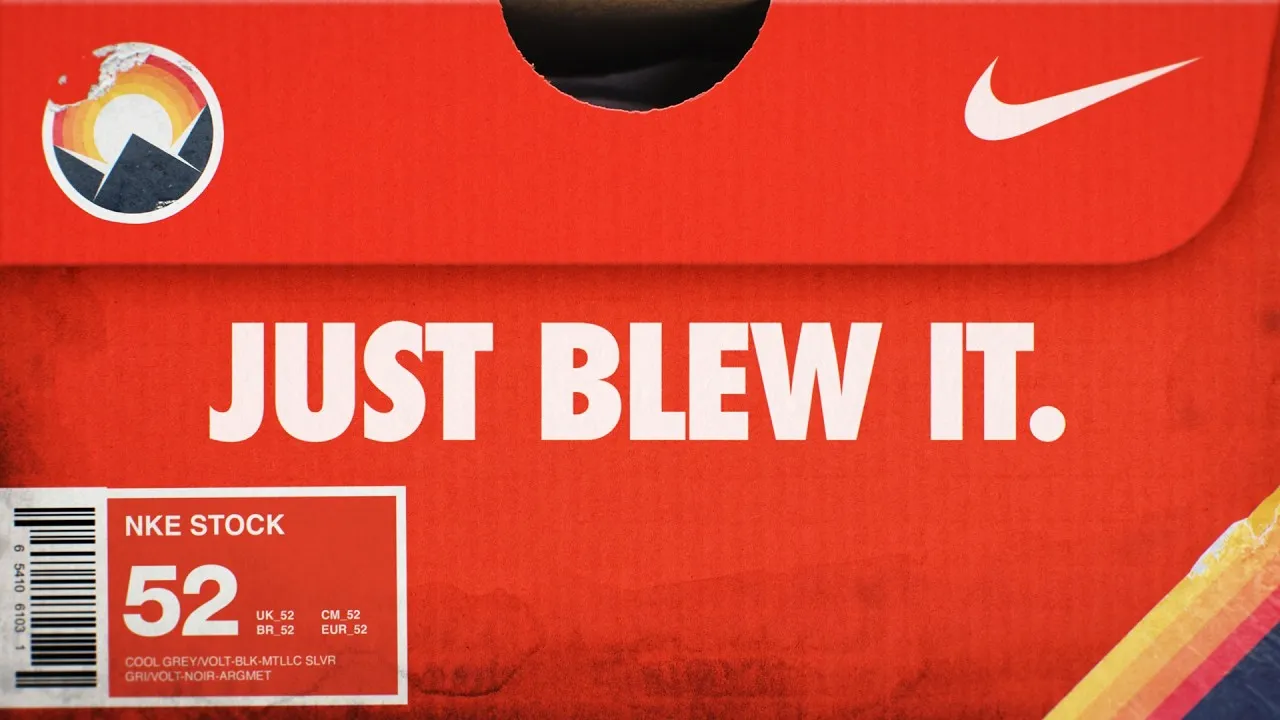
Understand Nike’s Shift from Innovator to Stagnant Giant
Nike, once the king of athletic wear, is facing tough challenges. The company built its empire by inspiring athletes and creating innovative products. However, recent years have seen Nike lose its edge. This article explores how Nike lost its way and what steps it’s taking to regain its top spot.
The Rise of Nike: Storytelling and Innovation
Nike’s success wasn’t just about shoes; it was about telling a story. The company started in the 1970s, inspired by a scrappy runner named Steve Prefontaine. Prefontaine embodied the underdog spirit, and Nike, also an underdog, paired with him. They created innovative running shoes like the Cortez and Waffle Trainer. This partnership helped fuel a running boom, and Nike became the go-to brand for runners.
The company then used a similar strategy for basketball, signing a young Michael Jordan. Despite rules about shoe colors, Nike released a bold, red, and black shoe for Jordan. This move was risky but paid off, creating the iconic Jordan brand and generating millions in sales. Nike continued this pattern, backing stars like Tiger Woods, Serena Williams, and Ronaldo, becoming known for supporting rule-breakers and winners.
When the Story Fades: Nike’s Recent Struggles
The problem for Nike is that it’s hard to stay an underdog when you become the leader. The company started losing its way in the 2000s. While running shoes remained popular, a new trend emerged: trail running. Nike had actually helped pioneer trail shoes in the 1980s with its ACG (All Conditions Gear) line. However, they let this brand fade, failing to see its future potential.
Brands like Hoka and Salomon stepped in, creating rugged trail shoes that became trendy even in cities. This trend, known as ‘Gorpcore,’ expanded beyond shoes to outdoor fashion. Nike was slow to react, relaunching its outdoor line years after competitors had already captured the market. This lack of vision became a pattern. While Nike still holds a large market share, newer brands are innovating faster in specific areas like specialty running.
Specialty Running Market Challenges
In specialty running stores, where experts help runners find the best shoes, brands like Brooks and Hoka now lead. Nike, which once dominated this space, has less than 5% of sales. Competitors are innovating in areas Nike used to own, like speed with Adidas and Puma, and comfort and cushioning with Hoka and Brooks. Even in bold design, brands like On, with its distinctive ‘cloud tech,’ have surpassed Nike.
Interestingly, On’s founder approached Nike with his innovative shoe concept years ago, but Nike rejected it. This highlights how Nike missed opportunities while focusing on other areas or dealing with internal issues. The company also faced scandals, including issues with its distance running project led by Alberto Salazar and a lawsuit over sexual discrimination. These problems tarnished Nike’s reputation and made innovation difficult.
Nike’s Path to Recovery
Under new leadership, Nike is trying to find its old spark. The relaunch of the ACG line is a positive step. The company is also working to repair relationships with retailers and get its products back on store shelves. The current CEO, Elliot Hill, has a history with Nike and understands the brand’s core values.
Nike is focusing on rebuilding consumer trust and rediscovering its innovative spirit. The company is looking to reconnect with its roots as a brand that inspires athletes and pushes boundaries. While it faces a tough road, Nike is aiming to tell new stories and create products that excite customers once again. Time will tell if these efforts will bring back the dominance Nike once enjoyed.
Source: How Nike Lost Its Way (YouTube)