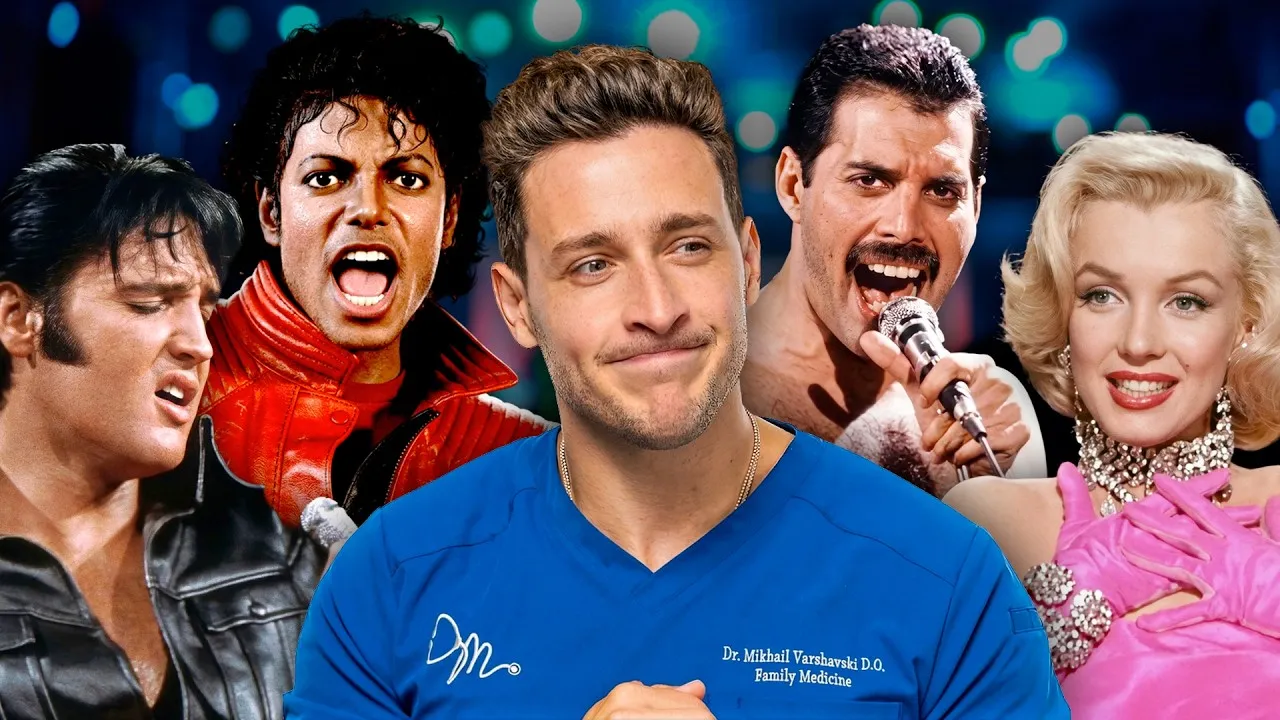
Beyond the Spotlight: Understanding Pop Star Health Tragedies
The lives of famous musicians often seem larger than life, filled with dazzling performances and adoring fans. However, behind the glitz and glamour, many have faced significant health challenges that tragically cut their lives short. A closer look at the lives and deaths of iconic pop stars reveals a recurring pattern of substance abuse, chronic illness, and unfortunate accidents. Understanding these patterns can offer valuable insights into health and wellness for everyone.
Substance Abuse: A Recurring Theme
A striking number of beloved musicians have succumbed to issues related to drug and alcohol abuse. This was tragically evident in the lives of artists like Amy Winehouse, who died from excessive alcohol consumption, and Jimi Hendrix, who passed away from an overdose of sleeping pills. Kurt Cobain battled chronic pain and depression, which led to heroin and painkiller use, ultimately ending his life at age 27. Prince also died after taking what he believed was a prescription painkiller, but which was actually a counterfeit pill laced with a deadly amount of fentanyl, a potent opioid. Mac Miller tragically died from an accidental overdose of alcohol, fentanyl, and cocaine at just 26 years old.
The allure of fame and the pressures of the music industry can be immense. For some, substances may have initially been a way to cope with stress, anxiety, or physical pain. However, as seen with these artists, this often leads to a dangerous cycle of addiction with devastating consequences. It’s a stark reminder that even those with immense talent and resources are vulnerable to the destructive power of substance abuse.
The Dangers of Unmanaged Chronic Illness
Beyond immediate crises, chronic health conditions have also played a significant role in the passing of music legends. Tony Bennett, a legend with a career spanning 70 years, passed away from complications of Alzheimer’s disease. This condition slowly damages brain cells, leading to cognitive decline. While not directly preventable for all, research suggests that lifestyle choices may play a role in reducing the risk or delaying the onset of about 40% of Alzheimer’s cases.
Aretha Franklin died from pancreatic cancer, a disease known for its low survival rates. Tina Turner battled hypertension for years, which contributed to a stroke, and later intestinal cancer. Her treatments were complicated by her use of dangerous homeopathic remedies, leading to advanced kidney failure. Her own words, “The consequences of my ignorance ended up being a matter of life and death,” highlight the critical importance of understanding and managing serious health conditions with evidence-based medical care.
Accidents and Unforeseen Circumstances
Not all tragic ends were directly linked to illness or addiction. Some stars met their end through accidents and violence. Liam Payne tragically died after falling from a hotel balcony in Buenos Aires, with alcohol, cocaine, and antidepressants found in his system, which can impair judgment and coordination. Tupac Shakur and The Notorious B.I.G. were prominent figures in the gangsta rap movement, and their lives were cut short by violent shootings, with their cases highlighting the dangers associated with certain environments and rivalries.
John Lennon was tragically shot and killed by a fan outside his New York City apartment. Buddy Holly, Ritchie Valens, and J.P. “The Big Bopper” Richardson died together in a plane crash due to severe weather conditions. Jeff Buckley drowned accidentally while swimming, and Bob Marley died from a rare form of skin cancer after opting for less invasive treatment. These incidents underscore how unpredictable life can be, and how external factors can tragically impact even the most celebrated individuals.
The ’27 Club’ and Mental Health
The phenomenon known as the “27 Club” refers to a list of popular musicians who died at the young age of 27. This somber group includes Jimi Hendrix, Janis Joplin, Jim Morrison, and Kurt Cobain. While the exact reasons for their deaths vary, many of these artists struggled with substance abuse and mental health issues. The intense pressures of fame, combined with underlying psychological challenges, can create a dangerous cocktail.
Mental health is a critical component of overall well-being. Conditions like depression and anxiety, if left unaddressed, can significantly impact a person’s life and lead to destructive coping mechanisms. The stories of these artists serve as a powerful reminder of the importance of seeking help for mental health struggles and the need for greater awareness and support within the entertainment industry and society at large.
Lessons from the Legends
The lives and deaths of these musical icons offer profound lessons. For instance, Michael Jackson’s death from a prescription drug overdose administered by his doctor highlights the risks associated with relying on potentially reckless medical care, even when one has financial resources. It emphasizes the importance of seeking qualified, ethical medical professionals and being an active participant in one’s own healthcare decisions.
Elvis Presley’s extreme lifestyle, including a well-documented fondness for an 8,000-calorie sandwich and a nocturnal schedule, likely contributed to his heart attack. This serves as a reminder that even seemingly isolated unhealthy habits can have long-term cumulative effects on the body. Similarly, Frank Sinatra’s death from a heart attack was likely influenced by a lifetime of alcohol and tobacco use, reinforcing the well-known dangers of these substances.
Key Health Takeaways
- Prioritize Mental Health: Seek professional help for depression, anxiety, or other mental health concerns. Support systems and therapy can make a significant difference.
- Address Substance Abuse: If you or someone you know is struggling with drugs or alcohol, reach out for help. Resources are available, and recovery is possible.
- Manage Chronic Illness: Work closely with healthcare providers to manage conditions like hypertension, diabetes, or heart disease. Regular check-ups and adherence to treatment plans are crucial.
- Make Healthy Lifestyle Choices: While not always a guarantee against illness, a balanced diet, regular exercise, and avoiding excessive alcohol and tobacco use can contribute to long-term health.
- Be Cautious with Medications: Always consult with a doctor or pharmacist about prescriptions and over-the-counter drugs. Be aware of potential side effects and interactions.
- Seek Reputable Medical Care: Ensure you are receiving care from qualified and ethical healthcare professionals. Be an informed patient and ask questions about your treatment.
Disclaimer
This article is for informational purposes only and does not constitute medical advice. It is essential to consult with a qualified healthcare professional for any health concerns or before making any decisions related to your health or treatment. The information presented here is based on publicly available information and the provided transcript.
Source: What Killed Every Pop Star (YouTube)