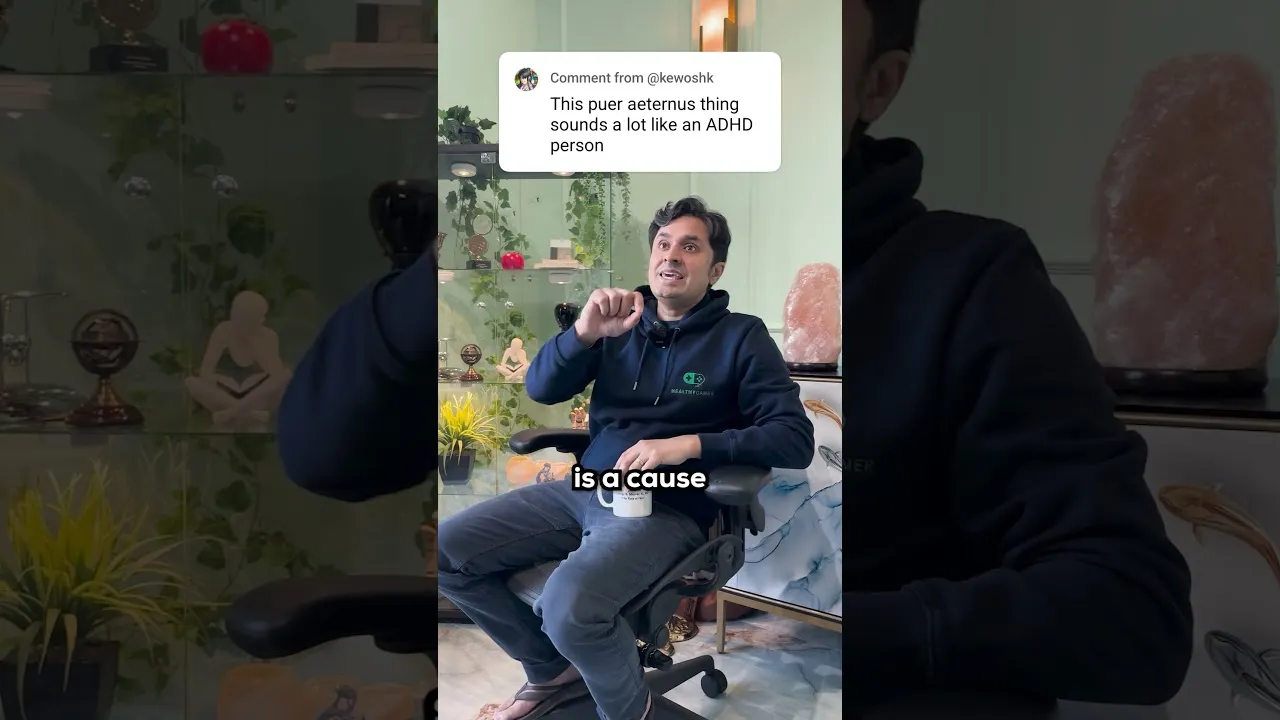
ADHD Misdiagnosis: Why Procrastination Isn’t Always ADHD
Many people today believe that struggling to follow through on tasks or procrastinating is always a sign of Attention-Deficit/Hyperactivity Disorder (ADHD). However, experts warn that this is a significant misunderstanding. ADHD is a specific neurodevelopmental disorder, and while it can cause difficulties with follow-through and procrastination, these issues are not exclusive to ADHD. Attributing all such struggles to ADHD overlooks many other potential causes and effective solutions.
ADHD is a genuine medical condition affecting the brain’s development. Its diagnostic criteria focus on specific patterns of inattention, hyperactivity, and impulsivity. While these symptoms can certainly lead to a lack of follow-through or procrastination, they are not the definition of ADHD itself. Think of it like a fever: a fever can be a symptom of the flu, but it can also be a symptom of a cold or a more serious infection. You wouldn’t say every fever is the flu.
The ADHD Misconception Problem
The widespread assumption that any difficulty with follow-through equals ADHD is causing a major problem. ADHD affects a relatively small percentage of the global population, estimated to be less than 10%. Yet, a much larger group, over 50% of people worldwide, experience challenges with completing tasks or procrastination at some point in their lives. When we automatically label these common struggles as ADHD, we miss the chance to explore other reasons why people might be having trouble.
This broad assumption narrows our focus. We tend to think the only solution is to treat ADHD, perhaps with medication or specific therapies for the disorder. This approach leaves a vast number of other potential explanations and interventions completely ignored. It’s like having a toolbox full of tools, but only ever using a hammer because you believe every problem is a nail.
Understanding the Real Causes
Difficulty with follow-through and procrastination can stem from many sources unrelated to ADHD. These can include:
- Stress and Overwhelm: Feeling stressed or overloaded with tasks can make it hard to know where to start or how to finish. This is a common human response to pressure.
- Lack of Motivation or Interest: If a task isn’t engaging or doesn’t align with personal goals, it’s natural to delay or avoid it. Motivation plays a huge role in task completion.
- Poor Time Management Skills: Not everyone is born with excellent time management abilities. These skills often need to be learned and practiced.
- Anxiety or Depression: Mental health conditions like anxiety and depression can significantly impact energy levels, focus, and the ability to initiate or complete tasks.
- Perfectionism: Sometimes, the fear of not doing something perfectly can lead to never starting it at all. This paralyzing perfectionism is a common barrier.
- Unclear Goals or Instructions: If you don’t fully understand what needs to be done or why, it’s much harder to get it done. Clarity is key for progress.
- Burnout: Prolonged periods of intense effort without adequate rest can lead to exhaustion and a general inability to keep going, regardless of underlying conditions.
Recognizing these diverse causes is crucial. Each one might require a different approach or solution. For example, someone struggling with stress might benefit from mindfulness techniques or better stress management strategies. A person lacking motivation might need help finding more engaging ways to approach their work or setting clearer, more attainable goals.
The Path Forward: Broader Solutions
By moving beyond the assumption that all follow-through issues are ADHD, we can open the door to a wider range of effective strategies. This involves educating ourselves and others about the complexities of human behavior and motivation. It means looking at the whole picture rather than settling for a single, often incorrect, explanation.
When you or someone you know struggles with completing tasks, it’s important to consider all the possibilities. Instead of immediately concluding it’s ADHD, take time to explore other contributing factors. This broader perspective allows for more personalized and effective solutions that can genuinely help people overcome their challenges and achieve their goals.
Disclaimer: This article is for informational purposes only and does not constitute medical advice. Always consult with a qualified healthcare professional for any health concerns or before making any decisions related to your health or treatment.
Source: BREAKING NEWS: Not Everything is ADHD! (YouTube)