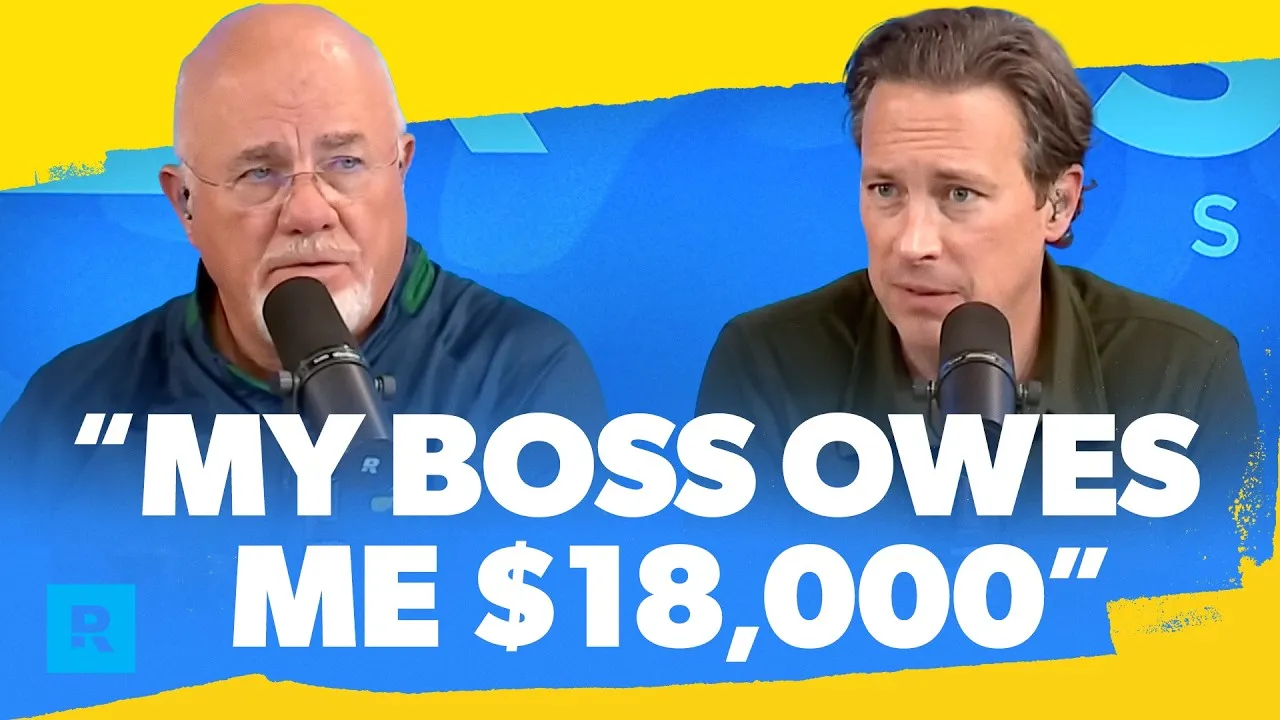
Master Electrician Faces $18,000 Pay Gap After 20 Weeks of Underpayment
A master electrician, who has worked for his employer for four to five years, recently discovered a staggering pay shortfall. He is owed approximately $18,000, accumulated over 20 weeks where he received incomplete payments. The electrician, who asked to remain anonymous, shared his situation, highlighting a significant gap between his expected wages and what he actually received.
Delayed Discovery and Personal Turmoil
The electrician admitted it was his oversight that the situation went unnoticed for so long. He explained that he had been focused on several major life events, including building a new house, the recent birth of his baby, and his marriage this year. These significant personal milestones, along with counting his paychecks, contributed to him not realizing the extent of the payment deficit until recently.
Employer’s Financial Struggles Cited
The issue stemmed from the employer’s own financial difficulties. The company, once employing five people, had shrunk to just the employer and the electrician. The employer reportedly lost a $25,000 job and placed a lien on the property, but never received payment. It appears he then covered his own business expenses and supply costs by withholding payments from the electrician, who did not charge interest on the delayed wages.
Lack of Communication and Growing Distrust
Crucially, the employer never discussed these payment issues with the electrician. The electrician discovered the full extent of the underpayment just the week before his call. When asked if he had found new employment, he stated he was unwilling to work for someone he considered dishonest. This led to a discussion about the best course of action, with concerns raised about the employer possibly declaring bankruptcy if a wage claim was filed.
“He’s a liar and a thief. That’s who he is. The best thing you can do with liars and thieves is to distance yourself from them so that you don’t get lied to and stolen from.”
The “Snake” Analogy and Urgent Need for Action
The advice given was direct: the employer was described as a “snake” who only “bites” and would not magically change his behavior. The suggestion was to leave the situation immediately rather than trying to change the employer’s dishonest nature. The electrician expressed a moral dilemma about leaving without being paid, hoping that by continuing to work, he could create the illusion of compliance and potentially recover some of the owed money.
However, this approach was strongly discouraged. The reasoning was that the employer’s behavior was unlikely to change, regardless of the electrician’s actions. The focus shifted to the electrician’s own responsibility in not paying closer attention to his finances and the missed opportunity to seek new employment sooner. It was emphasized that master electricians are in high demand, with a significant shortage in the trades, meaning new job opportunities were readily available.
A Deal for Assets: Trucks and Trailers
In a potential resolution, the employer offered to transfer ownership of some trucks and trailers to the electrician as a form of payment. The advice was to accept this offer immediately. The proposal was that if the electrician received assets worth the amount owed, he would not file a wage claim with the state. This was seen as a way for the employer to offer some form of restitution.
The electrician saw this as a potential path forward, possibly enabling him to start his own business. This led to a moment of self-reflection, acknowledging his own weaknesses in managing business finances, despite his strong skills as an electrician.
Key Takeaways for Investors and Workers
The situation highlighted two critical lessons. First, the importance of paying close attention to financial details, as no one else will manage your money for you. Second, the futility of expecting dishonest people to act with integrity; one must distance themselves from such individuals rather than trying to change them. The analogy was made that if the electrician were managing payroll, he would have immediately addressed any issues, unlike his former employer who hid the problem.
The experience underscored the common fear of the unknown that can prevent people from taking necessary action, especially when facing financial uncertainty. It was stressed that while fear of change is normal, seeking insight from others and taking decisive action are crucial for progress. The entrepreneurial journey is often filled with both terror and exhilaration, requiring resilience and attention to detail.
Market Context: Trades Shortage and Business Acumen
The skilled trades, including master electricians, are currently experiencing a significant shortage of qualified workers. This strong demand gives individuals in these fields considerable leverage when seeking new employment. However, as the electrician’s experience illustrates, technical skill alone is not enough for financial success. Strong business management skills, including meticulous attention to payroll, invoicing, and financial oversight, are equally vital, especially for those considering self-employment.
What Investors Should Know
This situation serves as a stark reminder for investors and business owners about the importance of transparency and ethical financial practices. While business ventures can face unexpected challenges, such as the employer’s reported $25,000 loss, how these challenges are managed is critical. Withholding payments from employees without clear communication and agreement is not only unethical but can lead to legal repercussions and reputational damage. For individuals in high-demand fields, understanding their financial rights and proactively managing their compensation is key. Furthermore, for those looking to start their own businesses, recognizing the need for both technical expertise and solid business management skills is essential for long-term success.
Source: I Haven't Been Paid In 20 Weeks (YouTube)