Dating Apps Shift Strategy, Monetizing Frustration
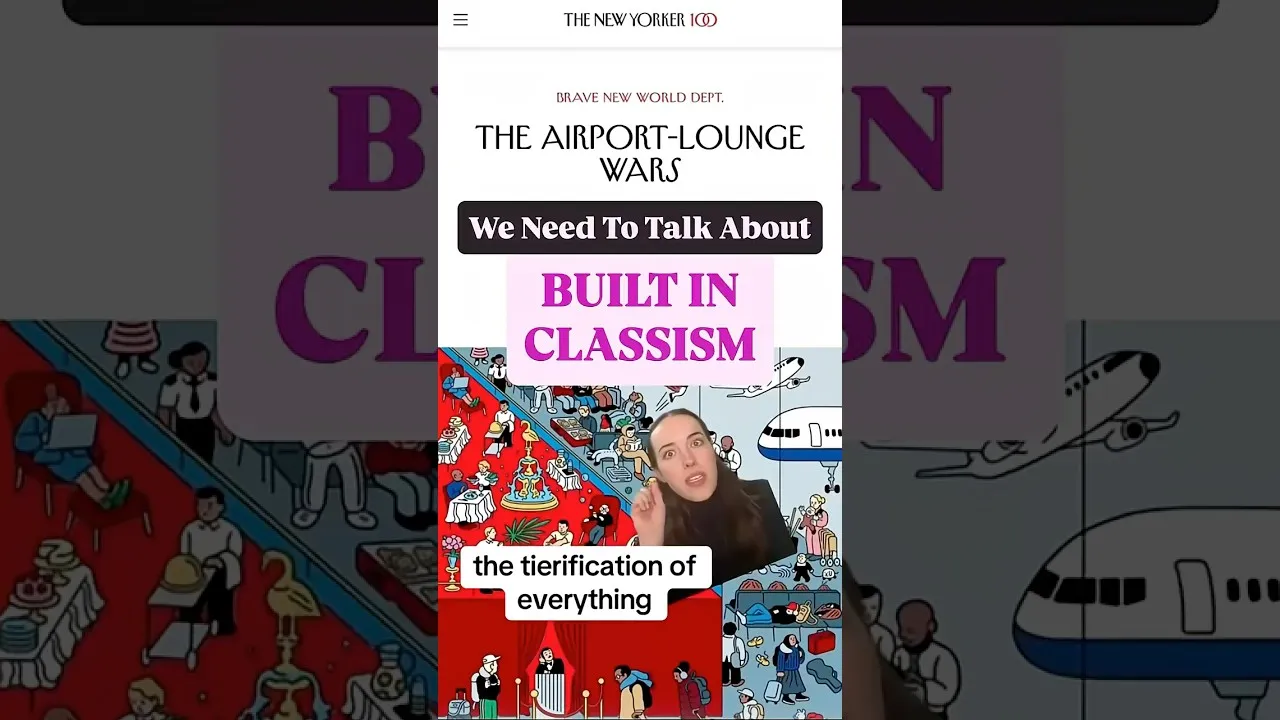
Many companies are now intentionally making their basic services worse. They do this to push customers toward expensive upgrades or membership plans. This strategy, often called ‘shrinkflation’ or ‘service degradation,’ aims to boost profits by making the standard offering less appealing. It’s a model that airlines have used for years, charging extra for things like checked bags, seat selection, and even priority boarding – services once included in a standard ticket.
This approach has spread to nearly every part of our lives, sometimes in ways we don’t even notice. The dating app industry is a prime example of this significant change in business strategy over the past decade. What used to be about expanding user numbers has completely flipped.
Dating Apps Prioritize Premium Users
Today, the main way dating apps grow and make money is by getting a small group of users to pay a lot of money. If you look at the financial reports of major dating apps, you’ll see that the ones showing growth are making it from a very small slice of their user base. In many cases, the total number of users is actually going down.
However, there are enough people willing to pay higher prices, or the apps are charging more, that they can still report increased revenue and profits. This isn’t an accident. The people who create these apps know how to make them work better and help users find partners. But they deliberately make the standard app experience less enjoyable.
Intentional Frustration Drives Upgrades
Companies actively work to make the app experience frustrating enough to encourage users to buy the most expensive options. This often means the basic service is deliberately made to feel subpar. The goal is to make users feel they have no choice but to upgrade for a better experience. Ironically, even those paying for premium features often don’t see better results in terms of meeting people.
This business model, while profitable for the companies, raises questions about user satisfaction and the true purpose of these services. For users, it means facing a landscape where basic services are often stripped down, pushing them toward costly subscriptions. This trend reflects a broader economic shift where value is increasingly hidden behind paywalls.
Market Impact
This strategy of service degradation and aggressive monetization is becoming a standard practice across many industries. For investors, it suggests a focus on extracting maximum revenue from a loyal, paying customer base rather than broad market expansion. Companies that successfully implement this model can show strong profitability, even with stagnant or declining overall user numbers.
However, this approach carries risks. It can lead to user resentment and a decline in brand loyalty if customers feel consistently misled or cheated. The long-term sustainability of this model depends on maintaining a balance between generating revenue and providing genuine value.
What Investors Should Know
Investors should look for companies that demonstrate strong revenue growth driven by premium offerings. Pay attention to metrics that show an increase in average revenue per user (ARPU) rather than just user acquisition. Companies successfully employing this strategy often have strong network effects or unique data advantages that make their premium services highly desirable.
Consider the competitive landscape. If multiple companies in a sector adopt similar monetization strategies, it could lead to price wars or a race to the bottom in terms of service quality. Understanding the customer lifetime value and retention rates for premium subscribers is also crucial for assessing long-term success.
A Shift from Past Practices
This approach is a stark contrast to how services like dating platforms operated even 15 years ago. Back then, many platforms were free or charged minimal fees. Their focus was on helping users connect and expand their social circles. The goal was user growth and widespread adoption.
Now, the emphasis has shifted entirely to profit. The user experience is often secondary to the revenue generated from a select group of paying customers. This change means that what once was a tool for connection has become a business model focused on maximizing individual spending, often through engineered dissatisfaction.
Source: April 1, 2026 (YouTube)