Retired Couple Struggles With $40K Debt on $3K Income
A retired couple, aged 65 and 70, are facing a severe financial crisis, struggling to afford basic necessities like groceries due to a significant amount of credit card debt. Despite owning their home and vehicles outright, their combined monthly income of approximately $3,000 is insufficient to cover their expenses and service their $35,000 to $40,000 in credit card debt.
Income Sources Fall Short
The couple’s income is derived from Social Security benefits, with the husband receiving $1,625 per month and the wife $1,250. They also supplement this with part-time jobs, earning about $400 per month combined, and small pensions. The husband receives a modest military disability pension, and the wife has a small pension from her previous work.
Even with these multiple income streams, their total monthly income barely reaches $3,000. This limited income makes it incredibly difficult to manage their financial obligations, especially the accumulated credit card debt, which has become a heavy burden.
Debt Accumulation and Prioritization
The couple admits the credit card debt grew over time due to expenses exceeding income. When unexpected costs arose, such as car repairs or needing to buy groceries they couldn’t afford upfront, they turned to credit cards. This created a cycle where debt continued to build, making it harder to escape.
Financial experts advise a crucial shift in prioritization: essential needs like food, shelter, transportation, and utilities must come first. Credit card payments should only be made with funds remaining after these basic necessities are covered. The advice is clear: “You eat first. Keep the lights on first. Keep the homeowner’s insurance paid first. Keep gas in the car first. Then with what’s left, you pay what you can on the credit cards.”
The Need for Increased Income
A significant part of the solution involves increasing the couple’s income. The suggestion is not necessarily for physically demanding labor, but for them to return to full-time work, even temporarily, to aggressively pay down the debt. Earning an additional $30,000 to $40,000 each per year could make a substantial impact.
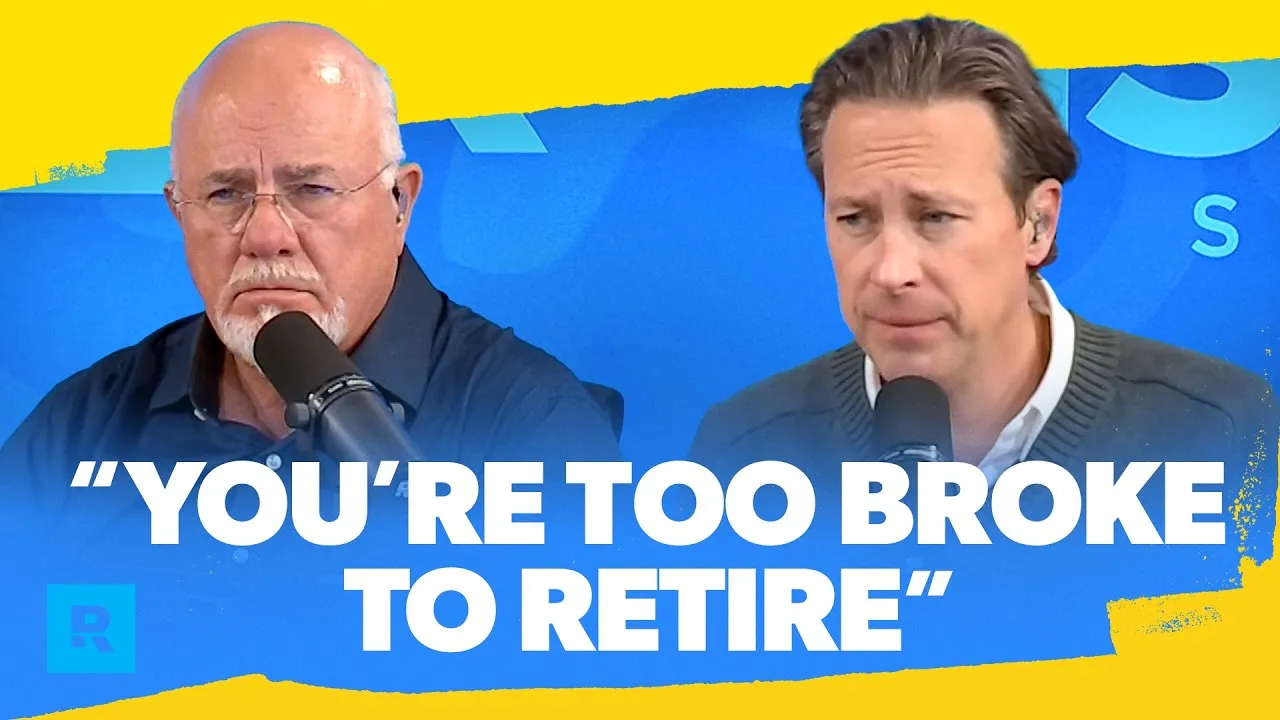
“You’re too broke to retire,” one expert stated bluntly, highlighting the current unsustainable situation. The couple expressed that while they are in good health, the physical demands of some jobs are a concern. However, the focus is on finding roles that leverage their intelligence and communication skills, such as customer service or consulting, which are less physically taxing.
Long-Term Financial Stability
Beyond immediate debt reduction, building an emergency fund is critical. Having 3 to 6 months of living expenses saved will prevent future unexpected costs, like a $1,500 car repair, from forcing them back into debt. This emergency fund acts as a buffer against unforeseen financial shocks.
For this couple, the path forward requires a dual approach: immediate reprioritization of spending to cover essentials and a concerted effort to significantly increase income. This could involve selling assets if necessary, though their home and cars are not considered extravagant. The ultimate goal is to eliminate the credit card debt and establish a sustainable income that allows for a secure retirement without the constant stress of financial insecurity.
Market Impact
This situation highlights a growing concern for retirees who may not have adequately planned for their later years. Rising costs of living and insufficient retirement savings can leave many vulnerable. The reliance on credit cards for basic needs is a red flag for broader economic challenges affecting the elderly population. It underscores the importance of financial literacy and proactive retirement planning long before reaching retirement age.
What Investors Should Know
For individuals approaching or in retirement, this case serves as a stark reminder to assess retirement readiness thoroughly. Key takeaways include: 1) Prioritize essential living expenses over debt repayment. 2) Explore all avenues for increasing income, even part-time work, if retirement savings are insufficient. 3) Build and maintain an emergency fund to avoid debt traps. 4) Consider affordable financial tools, like budgeting apps, to track spending and identify areas for savings. Finally, understanding the role of products like term life insurance can provide a safety net for dependents, ensuring they are not left with financial burdens, as promoted by services like Xander Insurance.
Source: We're Retired And Don't Have Enough For Groceries (YouTube)