$30K Debt: How One Woman Reimagined Her Financial Future
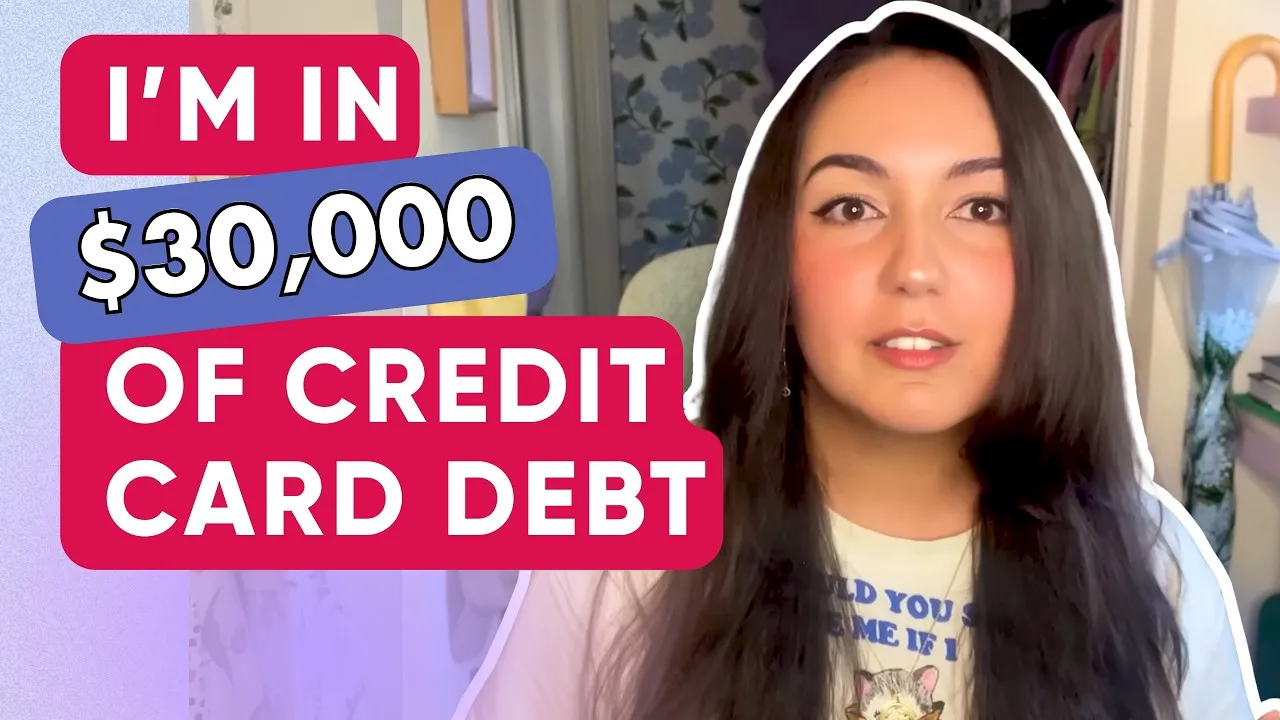
Many Americans grow up with the idea that credit card debt is simply a part of adult life. For Stephanie Janelle, this belief led to accumulating around $30,000 in consumer debt, including buy now, pay later loans and credit card balances. Now, she’s sharing her journey of tackling this debt and redefining her financial goals.
From “American Dream” to Financial Reality
Janelle, an events coordinator in the high-cost Bay Area, earns about $85,000 a year, bringing home roughly $5,000 per month after taxes and 401(k) contributions. Her financial struggles began early. Living at home at 19, her parents encouraged her to pay for her own expenses. She also took out maximum student loans, using the excess for spending money.
This created a habit of relying on debt to fund her lifestyle. A significant turning point came at age 16 after a close family member’s death. This loss prompted a “you only live once” mindset, making the idea of saving for a distant future feel unappealing. She wanted to enjoy her youth and travel with friends, often using credit cards to do so.
Another factor was her belief, influenced by American consumer culture, that purchases define identity. She prioritized buying from ethical and small businesses, even if it meant paying more. This made spending feel like a “morally righteous choice,” creating a cycle of overspending despite financial strain.
Budget Breakdown: Living in the Bay Area
Janelle’s monthly expenses paint a picture of life in a high-cost area:
- Rent (sharing a room): $1,420
- Utilities: $200-$250
- Gas for car: $60
- Dog food: $70
- Groceries: Approximately $300
- Phone plan: $25
- Car payment: $260
- Car insurance: $181
Her debt payments are substantial, totaling about $1,600 per month. This includes payments for various loans, buy now, pay later purchases (like a mattress and desk), and three separate loans taken out to consolidate credit card debt. She also has a private student loan payment of $180.
Adding up her essential expenses and debt payments, Janelle spends around $4,100 per month. This leaves her with slightly less than $1,000 from her $5,000 take-home pay. Her goal is to save $500 of this, with the remainder for unexpected costs or social outings.
Regrets and Redefined Dreams
Janelle’s biggest spending regrets stem from purchases made to soothe insecurities. She recalls buying expensive Reformation dresses, some costing over $200, and a $3,000 Louis Vuitton bag and wallet set on a $15/hour part-time income. While she loves the items, she regrets not having the money they cost.
The Louis Vuitton bag, in particular, remains a decorative item because it’s impractical and too expensive to risk using. These purchases were for a “fantasy version” of herself that didn’t align with her reality.
This debt has significantly impacted her long-term goals. The traditional “white picket fence” American dream of homeownership and starting a family feels out of reach. At 31, she estimates it could take five years or more to become debt-free, by which time she’d be approaching 36. This reality has forced her to reconsider her life’s trajectory.
“Financial freedom looks different for everyone. And I think freedom for me comes out to like really spending money in a way that makes me happy, that aligns with me and with my goals.”
Shifting Perspectives and New Habits
Instead of dwelling on what she might miss out on, Janelle focuses on new possibilities. She’s embracing the idea that financial freedom can mean more travel or community involvement. She also acknowledges the influence of her partner, who has a more financially conservative outlook, on her approach to money.
To manage her spending, Janelle has adopted two key strategies:
- Investing in Hobbies: To combat impulse buying, especially in fashion, she’s taken up sewing, needle felting, and crochet. Making her own clothes and home goods, like linen napkins, has proven both cost-effective and fulfilling. She even found a $300 designer raincoat to be poorly made, reinforcing her belief in DIY.
- Meticulous Tracking: Janelle diligently logs every single expense in a notebook. This habit, which she initially underestimated, revealed that her “fun money” spending was nearly double what she estimated. This constant awareness helps her stick to her budget, preventing overspending on discretionary items.
The biggest lesson learned over her decade-long journey is that “buying is not becoming.” She realizes that acquiring items doesn’t create the person she wants to be. This shift in mindset is crucial for breaking free from emotional spending and building a more secure financial future.
Market Impact and What Investors Should Know
Janelle’s story highlights a common challenge: emotional spending driven by societal pressures and personal beliefs. Many consumers, particularly millennials and Gen Z, grapple with debt and re-evaluate traditional markers of success like homeownership.
For investors, understanding these consumer behaviors is key. Spending habits directly influence demand for goods and services, impacting company revenues and stock performance. The rise of “buy now, pay later” services, while convenient, can mask underlying debt issues for consumers, potentially leading to increased defaults.
Furthermore, Janelle’s pivot towards hobbies like sewing and DIY suggests a potential shift in consumer spending away from fast fashion and towards experiences or self-sufficiency. This could present opportunities for companies supporting these trends.
The emphasis on financial literacy and budgeting tools, like the Monarch app mentioned, also points to a growing consumer desire for control over their finances. Companies offering effective financial management solutions may see increased adoption.
Ultimately, Janelle’s journey underscores the importance of aligning spending with personal values and long-term goals, a principle that applies equally to individual financial planning and broader market analysis.
Source: I’m A Recovering Emotional Spender — Here’s How I Budget (YouTube)