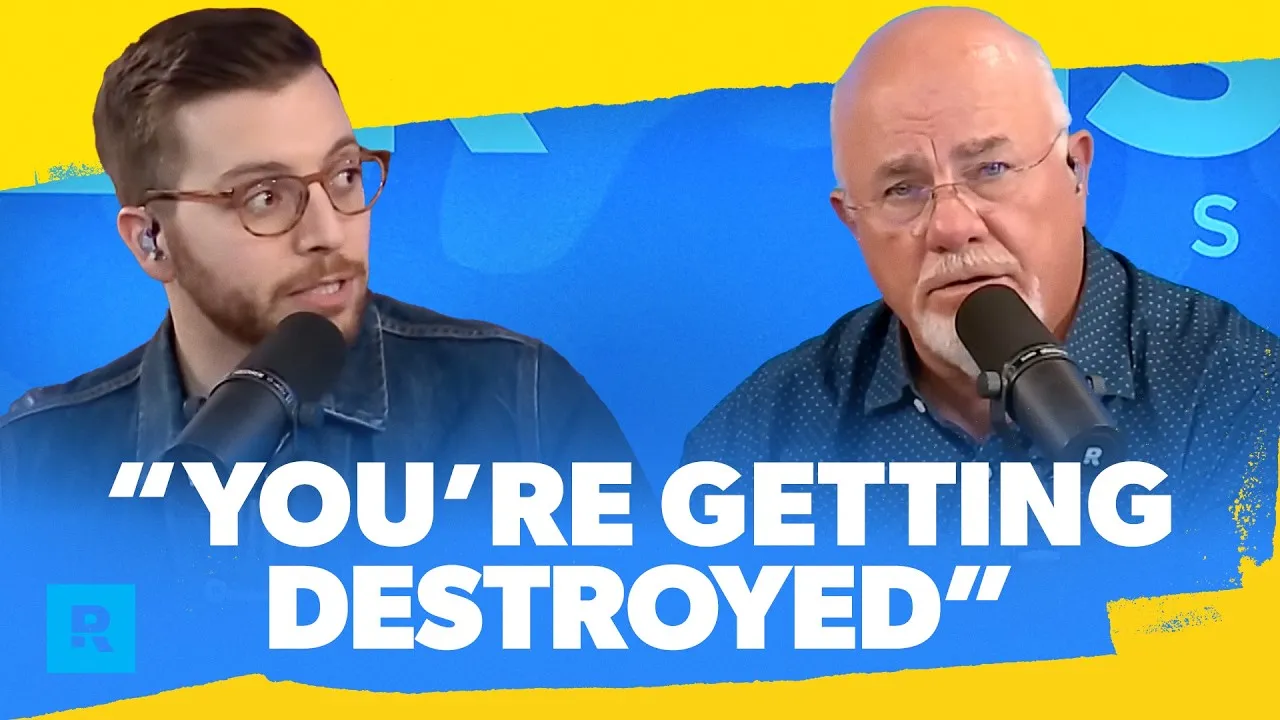
Home Equity vs. Crushing Debt: A Retirement Dilemma
A 43-year-old individual, facing a daunting financial crossroads, is considering selling their home to escape over $240,000 in debt. With $300,000 in home equity and zero retirement savings, the house currently represents their only perceived retirement plan. This situation highlights the growing challenge many face when significant debt burdens threaten long-term financial security.
Debt Breakdown and Income Snapshot
The individual’s total debt includes a $140,000 mortgage, leaving $100,000 in other debts. A significant portion of this non-mortgage debt is a $39,000 truck loan with a 9.5% interest rate. Compounding the financial pressure, the household earns a combined $140,000 annually, with one partner bringing in $100,000 and the other $40,000. However, after employer-paid health insurance premiums of $1,700 per month, the take-home pay is approximately $5,000 per month. Additionally, the couple owes the IRS $7,000, stemming from a past self-employment tax issue, which is being paid down through monthly installments and is expected to be cleared by year-end.
The Truck Loan: A Major Obstacle
A key point of contention is the $39,000 truck loan. The individual is reportedly $10,000 upside down on the vehicle, meaning they owe $10,000 more than the truck is worth. Selling it would require coming up with that $10,000 out-of-pocket, a sum they currently lack. Financial experts suggest this is a critical debt to address, with one advisor stating, “40% of your problem is the truck.” The recommendation is to find a way to borrow the $10,000, potentially from a credit union, and purchase a much cheaper vehicle to drive while aggressively tackling the remaining debt.
“I would sell a car 14 times before I’d sell a house.”
Impact of Past Financial Setbacks
Recent years have been financially challenging, including a house fire in 2023 that resulted in significant repair costs. The insurance payout covered only 80% of the rebuilding expenses, forcing the individual to borrow the remaining 40% to cover the difference. This period, combined with the self-employment tax debt, negatively impacted their credit score, which is now in a rebuilding phase. This credit situation complicates efforts to refinance or obtain more favorable loan terms, particularly with the truck loan held by Ally Financial, which is noted as potentially being a subprime lender.
Strategic Debt Reduction vs. Selling Assets
The core dilemma revolves around whether to sell the house, a significant asset that also serves as their retirement hope, or to aggressively tackle the non-mortgage debt. The prevailing advice is to avoid selling the house at all costs. Selling the home would likely lead to higher rental costs, potentially doubling their current mortgage payment, and would not solve the underlying spending or saving habits that led to the debt. Instead, the focus should be on eliminating high-interest debt, like the truck loan, and adopting a strict budget to free up funds for savings and debt repayment.
A Path Forward: Budgeting and Behavioral Change
The proposed strategy involves selling the truck to free up immediate cash and reduce monthly payments. With the truck gone, the remaining debt is significantly reduced, making the $140,000 household income more manageable for debt elimination. The advice is to “live like we’re broke” temporarily, focusing all available resources on paying down debt. This approach emphasizes behavioral change over asset liquidation. The goal is to break the cycle of debt and build a solid foundation for future retirement savings, rather than relying solely on home equity.
Market Impact
This personal financial situation reflects broader economic concerns about household debt levels and retirement preparedness. While mortgage rates have recently seen a drop, potentially encouraging refinancing and home buying, many individuals are still grappling with substantial consumer debt. The high interest rate on the truck loan, even at 9.5%, illustrates how vehicle financing can become a significant drain on household finances, especially when combined with other obligations. The situation underscores the importance of managing debt effectively and prioritizing savings, even when facing unexpected financial hardships.
What Investors Should Know
For investors, this case serves as a reminder of the critical role of personal financial health in long-term wealth building. High-interest debt can significantly impede the ability to save and invest, delaying retirement goals. The strategy recommended—aggressively paying down high-interest debt and living below one’s means—is a fundamental principle of sound financial management. While selling assets like a home can provide immediate relief, it often comes at the cost of long-term stability and future growth potential. The emphasis on budgeting and disciplined spending is crucial for anyone aiming to achieve financial independence, especially in an environment where inflation and economic uncertainty persist.
Source: I'm 43 and Afraid I Won't Be Able To Retire (YouTube)