Master Your Stress Response with Simple Breathing Techniques
Unexpected challenges can trigger intense stress, but a powerful tool to manage these moments is already within you: your breath. Learning to control your breathing can help you stay calm and think clearly, whether you’re facing a work crisis, a personal emergency, or a sudden shock.
Why Breathing Matters in High-Stress Moments
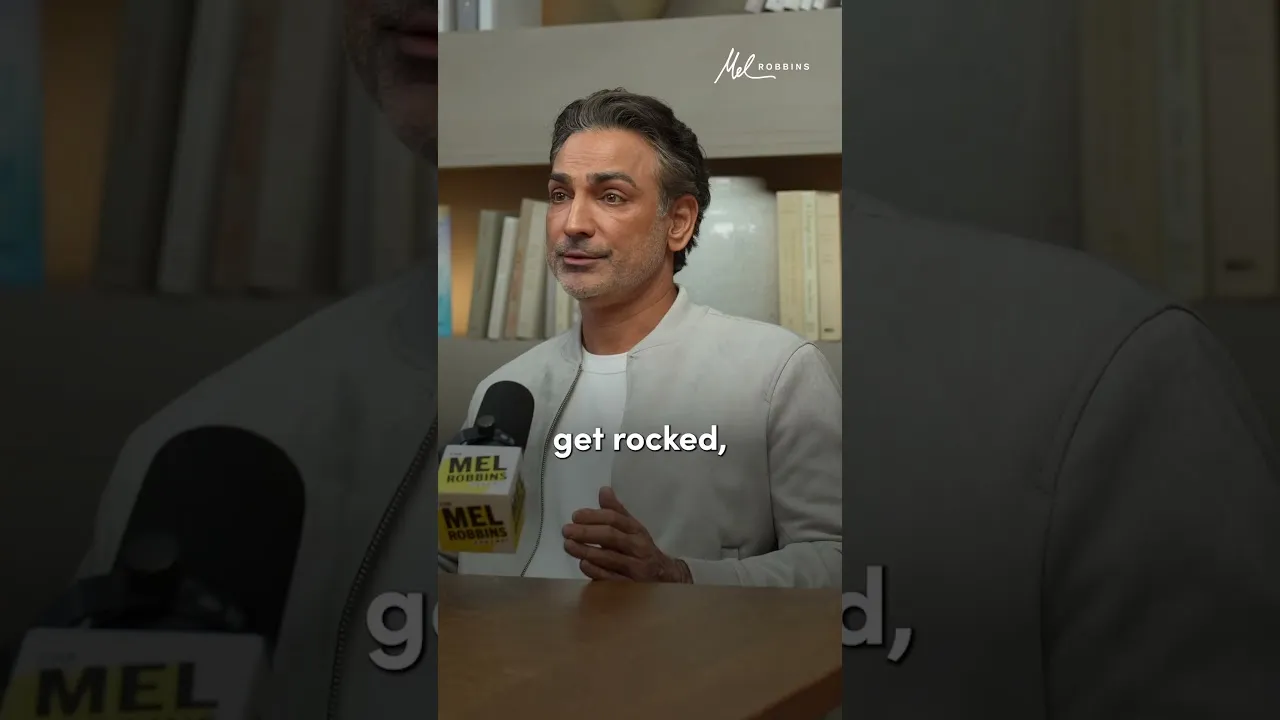
When faced with sudden stress, our bodies often react with rapid, shallow breathing, a response that can quickly lead to panic. This is because hyperventilating, or breathing too fast, causes you to blow off too much carbon dioxide. This imbalance can amplify feelings of anxiety and make it difficult to make sound decisions or perform necessary actions. Dr. Mel Robbins, a motivational speaker and author, emphasizes that controlling your breathing is the most effective immediate action you can take when you feel yourself starting to panic.
The Physiology of Calm: How Slow Breathing Helps
Your breathing is a direct link to your nervous system. When you breathe quickly, it signals danger to your brain, activating your body’s fight-or-flight response. This can lead to a state of hyper-excitability in your amygdala, the part of your brain responsible for processing emotions like fear. Slow, deep breaths, on the other hand, send a signal of safety to your brain. This helps to calm your nervous system, reducing the intensity of your stress response and allowing you to regain control. It’s like telling your brain, “Everything is okay, we can handle this.” This controlled breathing helps prevent the physical symptoms of panic, such as racing heart and shortness of breath, allowing for more rational thought.
Practical Application: From Surgery to Layoffs
The principle of controlled breathing applies to a wide range of stressful situations. Imagine a surgeon facing an unexpected complication during a procedure or an individual receiving news of potential layoffs. In these critical moments, the ability to regulate one’s breathing can be the difference between succumbing to panic and effectively managing the situation. Robbins highlights that even in high-stakes professions like that of a Navy SEAL or a complex surgeon, mastering breath control is essential for optimal performance under pressure. The goal is to prevent the physiological cascade that leads to panic, enabling clear thinking and decisive action.
Building the Skill: Practice Makes Perfect
While the idea of taking slow, deep breaths during a crisis sounds simple, it requires practice. Relying on this technique only when a stressful event occurs is unlikely to be effective. Robbins stresses the importance of making controlled breathing a regular practice, a ritual. This consistent rehearsal builds the skill of attentional power, which is your ability to focus your psychological energy on controlling a fundamental reflex like breathing. By practicing this regularly, you train your body and mind to access this calm state more readily when you truly need it. This consistent effort turns a simple technique into a reliable coping mechanism.
How to Practice Pace Breathing
A simple yet effective technique is called pace breathing. It involves a slow inhale, a brief pause, and a slow exhale. For instance, you might inhale slowly for a count of four, hold your breath gently for a count of four, and then exhale slowly for a count of four. The exact timing is less critical than the rhythm and the slowing down of your breath. The key is to ensure your breaths are deep and controlled, avoiding rapid, shallow breaths. You can practice this technique during everyday moments, like when you park your car or before starting a challenging task. This builds the habit and makes it accessible during emergencies.
Who Can Benefit?
This advice is relevant for anyone who experiences stress, which is virtually everyone. It is particularly helpful for individuals who often find themselves in high-pressure situations, such as those in demanding professions, caregivers, or anyone dealing with significant life changes or anxiety. The technique is simple and accessible, regardless of age or physical condition, as it relies on a natural bodily function.
Key Health Takeaways
- Control Your Breath: In moments of stress or panic, consciously slow down and deepen your breathing.
- Prevent Hyperventilation: Fast, shallow breathing can worsen panic by altering carbon dioxide levels.
- Calm Your Nervous System: Slow, deep breaths signal safety to your brain, reducing anxiety.
- Practice Regularly: Make controlled breathing a habit through daily practice to build this skill.
- Use Pace Breathing: Inhale slowly, pause, and exhale slowly to establish a calming rhythm.
Disclaimer
This article is for informational purposes only and does not constitute medical advice. Always consult with a qualified healthcare provider for any health concerns or before making any decisions related to your health or treatment.
Source: How to Stay Calm in Every Situation | Mel Robbins #Shorts (YouTube)