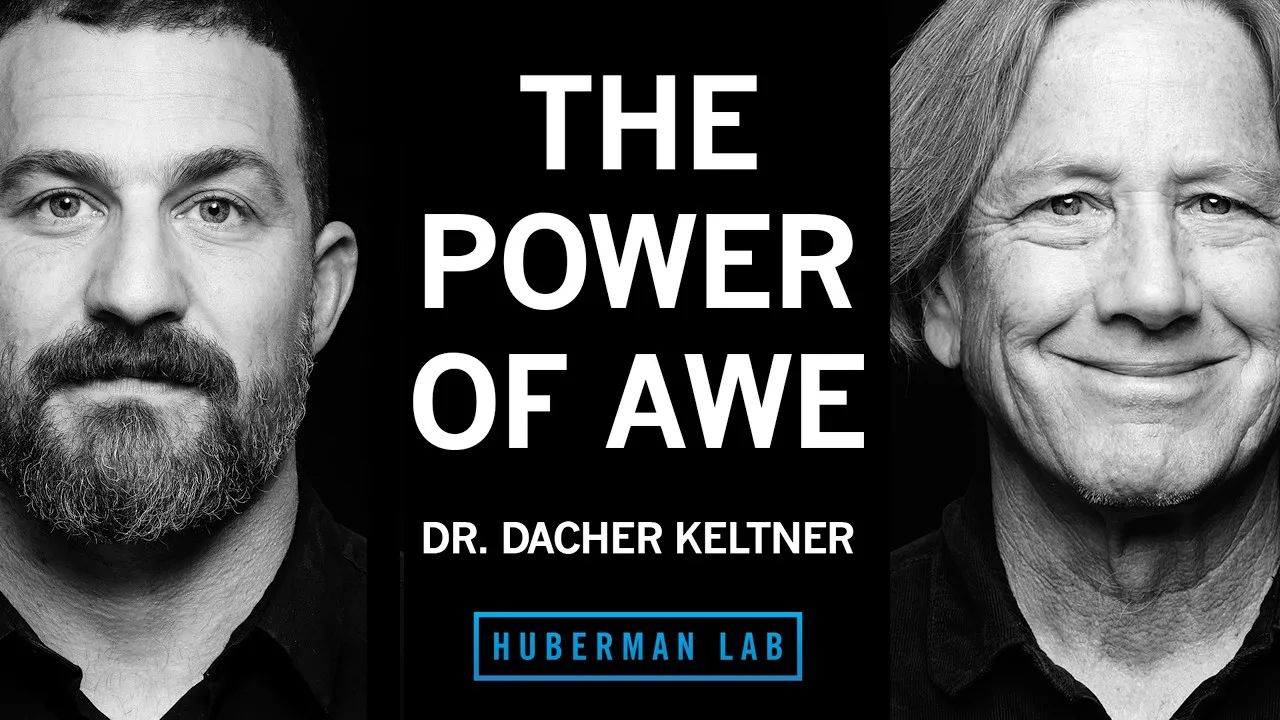
Embrace the Power of Awe for Enhanced Health
Experiencing awe, that feeling of wonder and amazement, can significantly improve your health and emotional well-being. Research shows that even brief moments of awe can reduce inflammation, boost vagal tone (a marker of a calm nervous system), and even alleviate symptoms of Long COVID. This powerful emotion is not just a fleeting feeling but a key component of human connection and resilience.
Understanding Awe: Beyond the Grand Spectacle
Awe is often associated with grand natural landscapes or extraordinary events. However, Dr. Dacher Keltner, a professor of psychology at UC Berkeley and an expert in emotion science, explains that awe can be cultivated in everyday life. It arises when we shift our perspective, noticing something vast, intricate, or deeply meaningful that expands our understanding of the world.
Dr. Keltner’s work, detailed in his book and research, highlights that awe isn’t elusive. It can be triggered by experiences like standing beneath giant trees, witnessing a breathtaking sunset, listening to moving music, or even seeing a T-Rex skeleton in a museum. The key is encountering something that makes us feel small yet connected to something larger than ourselves.
The Science of Emotions: Expanding Our Understanding
For decades, emotion science primarily focused on a few core emotions like anger, fear, and sadness. Dr. Keltner, inspired by his upbringing and a desire to understand the full spectrum of human experience, pushed to expand this view. His research, alongside other scientists, has revealed a much richer landscape of emotions, including compassion, embarrassment, shame, and awe itself.
Advances in technology, particularly artificial intelligence, have revolutionized how we study facial expressions. Using AI to analyze millions of videos from diverse cultures, researchers found that about 50-60% of our emotional expressions are hardwired, while the rest are influenced by culture and individual experience. This deeper understanding allows us to better identify and harness the benefits of various emotional states.
The Awe Walk: A Simple Path to Well-being
One of the most accessible ways to cultivate awe is through an “awe walk.” This practice, developed by Dr. Keltner and his colleagues, involves incorporating a regular walk into your routine with a specific intention: to seek out experiences that inspire awe.
How to do an awe walk:
- Choose a new or familiar route with a sense of wonder: This could be a park, a natural setting, an art museum, or even a part of your neighborhood you haven’t explored closely.
- Slow down and observe: Pay attention to the details around you – the intricate patterns of leaves on a tree, the vastness of the sky, the architecture of a building.
- Shift your perspective: Consciously move from focusing on small details to appreciating the larger context, or vice versa. Think about how you fit into the world around you.
- Be open to surprise: Allow yourself to be moved by unexpected beauty, complexity, or scale.
Studies involving awe walks have shown promising results. Participants reported experiencing less physical pain and, in longer-term follow-up studies, even demonstrated improved brain health. This simple practice taps into our innate human tendency to explore and connect with our surroundings.
Awe and Physical Health Benefits
The positive effects of awe extend to measurable physical health improvements. Research indicates that experiencing awe can lead to:
- Reduced Inflammation: Awe can help calm the body’s inflammatory responses, which are linked to many chronic diseases.
- Elevated Vagal Tone: This indicates a more resilient and adaptable nervous system, promoting relaxation and better stress management.
- Symptom Relief for Long COVID: Preliminary findings suggest that even short, regular doses of awe can help individuals manage persistent Long COVID symptoms.
These benefits are thought to stem from awe’s ability to shift our focus away from personal worries and connect us to something larger, activating the parasympathetic nervous system – our body’s “rest and digest” mode.
Cultivating Awe in Daily Life
Beyond the awe walk, Dr. Keltner suggests various ways to invite awe into your life:
- Nature: Spend time in natural environments, whether it’s a large forest or a small city park. Look up at the stars, marvel at a flower, or watch birds in flight.
- Art and Music: Engage with art, whether visual or musical, that evokes strong emotions or a sense of wonder. Attending concerts or visiting galleries can be powerful awe-inducing experiences.
- Big Ideas: Contemplate complex concepts, scientific discoveries, or philosophical questions that expand your understanding of the universe.
- Collective Movement: Participate in group activities that involve synchronized movement, like dancing or certain forms of exercise, which can foster a sense of shared awe.
- Storytelling: Listen to or share stories that highlight human resilience, kindness, or extraordinary achievements.
Who Can Benefit from Awe?
The practice of cultivating awe is beneficial for virtually everyone, regardless of age or health status. It offers a powerful, accessible tool for improving mental health, reducing stress, and fostering a greater sense of connection and purpose. Individuals dealing with chronic pain, anxiety, depression, or recovery from illnesses like Long COVID may find particular benefit.
A Note on Medical Advice
This article is for informational purposes only and does not constitute medical advice. While awe has shown promising health benefits, it is essential to consult with a healthcare professional before making any decisions related to your health or treatment, especially if you have pre-existing medical conditions.
Key Health Takeaways
- Experiencing awe can reduce inflammation, improve nervous system regulation (vagal tone), and help with Long COVID symptoms.
- Awe can be cultivated daily through simple practices like the “awe walk,” focusing on nature, art, music, or big ideas.
- An awe walk involves slowing down on a regular walk to notice and appreciate the vastness or complexity around you.
- Research by Dr. Dacher Keltner and others shows awe shifts our perspective, making us feel connected to something larger than ourselves.
- Always consult your doctor for personalized medical advice and before starting any new health regimen.
Source: Cultivating Awe & Emotional Connection in Daily Life | Dr. Dacher Keltner (YouTube)